-
Image

High-power laser therapy
- What is high-power laser therapy?
- How high-power laser therapy works
- Properties of each wavelength
- Key benefits of high-power laser therapy
- What conditions can high-power laser therapy treat?
- Contraindications for high-power laser therapy
- Frequently asked questions about high-power laser therapy
- Treat pain without drugs or surgery at Rehab Care Clinic
What is high-power laser therapy?
High-power laser therapy (High Power Laser Therapy; HPLT) is a new technology that helps treat pain from bone, muscle and joint conditions. It also stimulates nerve recovery and helps reduce numbness. It uses high-intensity laser light that penetrates deep to the problem area to stimulate cell activity, reduce inflammation and increase blood circulation. HPLT is a technique recognised by international medical organisations. Each session is short, and patients can return to their normal daily activities straight away.
How high-power laser therapy works
HPLT uses laser light at specific wavelengths to stimulate tissue deep inside the body. The laser light gives cells extra energy so they can repair themselves more effectively, stimulates collagen production, and effectively helps reduce swelling, inflammation and pain.
Properties of each wavelength
HPLT uses five main wavelengths, with the following properties:
- 650 nm increases the reabsorption of red blood cells, helping wounds heal faster.
- 810 nm helps cells produce ATP energy and speeds up the resolution of tissue inflammation.
- 915 nm improves oxygen exchange in the blood for better circulation, stimulates blood and lymph flow, and helps reduce inflammation and swelling.
- 980 nm helps reabsorb fluid, reducing swelling and inflammation.
- 1064 nm has a thermal effect that raises tissue temperature, relaxing the muscles and dilating the blood vessels. This improves blood flow and brings nutrients to aid repair, promoting faster healing in the long term and providing good pain relief.
Key benefits of high-power laser therapy
- Reduces pain and inflammation: the laser light reduces inflammatory substances in the body, easing pain as well as reducing swelling and acute inflammation.
- Stimulates blood circulation: increased blood flow delivers more oxygen and nutrients to injured tissue, leading to faster recovery.
- Speeds up cell repair: the laser helps cells produce energy more efficiently, promoting the growth of new cells and the repair of damaged tissue, muscles and nerves.
- Painless during treatment, with a comfortable warm sensation.
- Suitable for pain at every stage: acute, subacute and chronic.
- No surgery and no side effects: a drug-free treatment that reduces the risks associated with other treatment methods.
What conditions can high-power laser therapy treat?
- Muscle and joint pain, such as back pain, knee pain and shoulder pain
- Inflammation of the shoulder, elbow and wrist tendons; frozen shoulder; trigger finger
- Inflammation from sports injuries
- Work-related injuries, such as office syndrome
- Tendinitis or fascial adhesions
- Numbness in the hands and feet caused by nerve compression
- Cervical spondylosis, lumbar spondylosis and disc inflammation
- Inflamed Baker's cyst (cyst behind the knee)
- Ankle sprains and ankle tendinitis
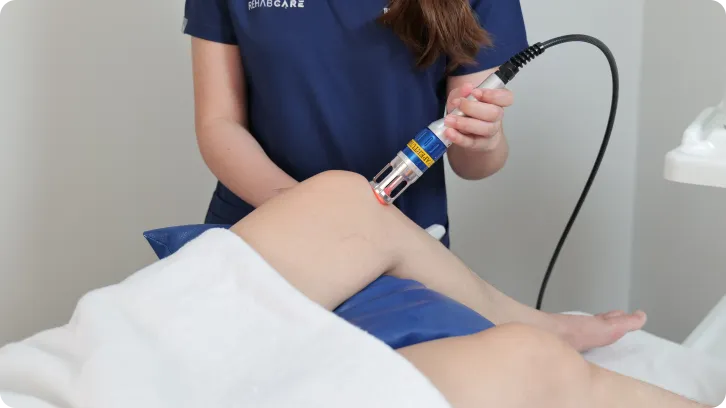
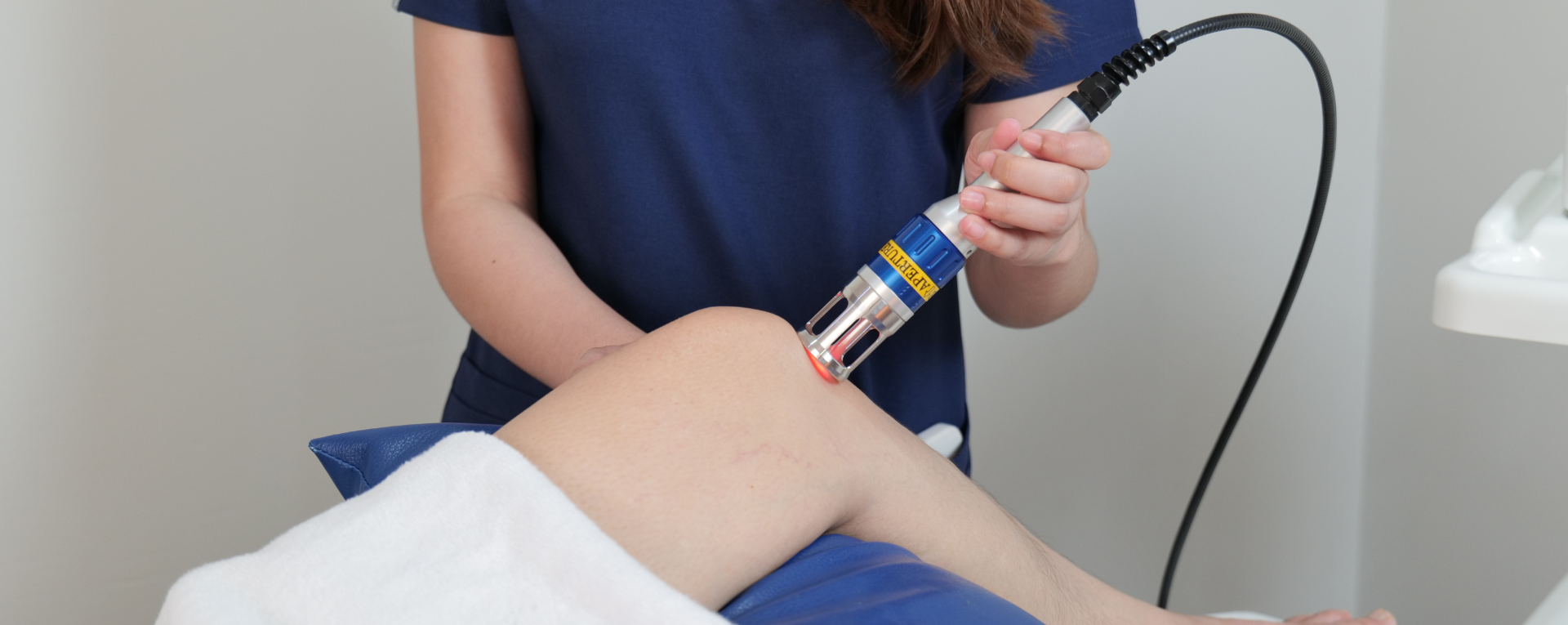
High-power laser therapy being used to treat knee inflammation at Rehab Care Clinic
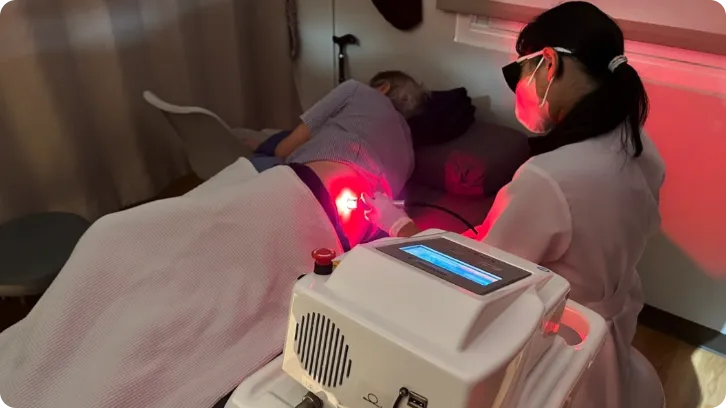
High-power laser therapy being used to treat back muscle inflammation at Rehab Care Clinic
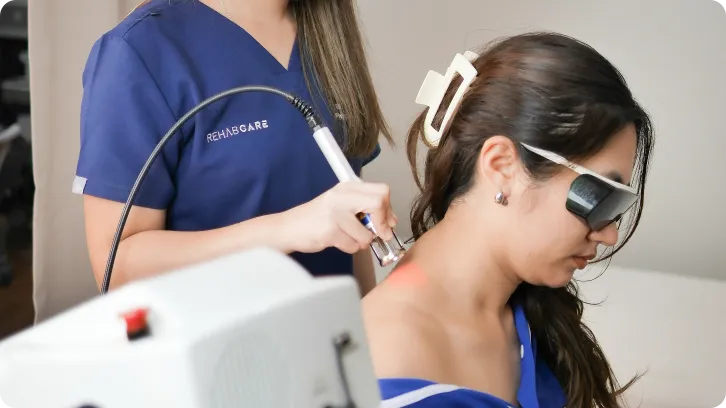
High-power laser therapy being used to treat muscle inflammation from office syndrome at Rehab Care Clinic
Contraindications for high-power laser therapy
- Pregnant women: the laser should not be used on the abdomen or any area that may affect the baby
- People with a history of tumours or cancer
- People with metal implants, such as knee or hip replacements
- The eye area
- Epiphyseal plates (growth plates) in children
- People with bleeding disorders or who take anticoagulant medication
- Areas with acute infection or open wounds. Always inform the doctor and physical therapist of any underlying conditions, history of accidents or previous surgery before every treatment.
Frequently asked questions about high-power laser therapy
Q: What is high-power laser therapy, and how does it relieve pain?
A: It uses energy from laser light that passes into the tissues, muscles, tendons or nerves to bring about the following changes:
- It stimulates nerve endings, inhibiting the pain process.
- It changes blood and lymphatic circulation, which helps reduce pain, swelling and inflammation.
- The heat from the laser dilates the blood vessels, bringing more blood and oxygen to the cells so they repair and recover faster.
Q: What does high-power laser treatment feel like?
A: During laser treatment you will feel slight warmth but no pain. If it feels very hot or your skin stings, tell the person treating you immediately.
Q: Why do I need to wear laser safety glasses during high-power laser treatment?
A: Both the patient and the physical therapist must wear laser safety glasses during treatment, because high-power laser light can damage the cornea and retina, especially if you look directly at the beam. Even when the laser is aimed at the treatment area, some light may be reflected into the eyes of the patient or staff. Wearing laser safety glasses therefore protects the eyes from harm.
Q: What makes high-power laser therapy special?
A : High-power laser therapy has the following advantages:
1. It is a high-power laser with five different wavelengths, so it can deliver energy deep down to the cellular level, enabling fast repair and highly effective treatment results.
2. Results are noticeable after treatment: in most cases pain improves by at least 40–50% after treatment.
3. The laser light is highly intense, so each session is short, around 5–10 minutes per point.
4. It treats pain at every stage — acute, subacute and chronic — but the best and clearest results are seen in acute cases.
High Power Laser Therapy is an innovation that effectively reduces pain and speeds up the body's recovery. It is suitable for people with pain or injuries from heavy physical use. If you are looking for a drug-free treatment that helps your body recover quickly, this may be the right option for you. For a consultation, contact Rehab Care Clinic. Our experienced physical therapists are ready to advise you and look after you closely, so you can get back to living pain-free.
Pain treatment without drugs or surgery at Rehab Care Clinic
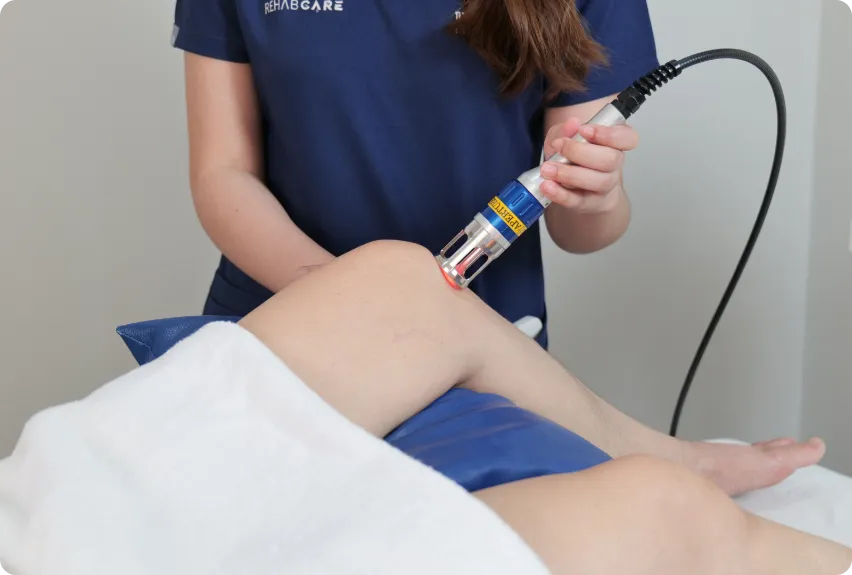
Pain treatment without drugs or surgery
at Rehab Care Clinic
Rehab Care Clinic is a specialist rehabilitation medicine and physical therapy clinic dedicated to high-quality, high-standard care, helping you to a stronger body and a better quality of life.
Contact a branch
-
Phetkasem
-
Rama 2
-
Muang Thong Thani
-
Ratchada
-
Sathorn
- Alayat, M. S., Mohamed, A. A., & Helal, O. F. (2023). High Power Laser Therapy for Musculoskeletal Disorders: A Systematic Review. Journal of Clinical Laser Medicine & Surgery, 41(2), 105-117. https://doi.org/10.1016/j.jclm.2023.105117
- Sharma, P., Gupta, M., & Singh, R. (2024). Advances in High Power Laser Therapy for Pain Management. Pain Research and Management, 29(1), 35-50. https://doi.org/10.1155/2024/7350284
- Bjordal, J. M., Johnson, M. I., Iversen, V., Aimbire, F., & Lopes-Martins, R. A. B. (2006). Low-level laser therapy in acute pain: A systematic review of possible mechanisms of action and clinical effects in randomized placebo-controlled trials. • Photomedicine and Laser Surgery, 24(2), 158-168. https://doi.org/10.1089/pho.2006.24.158