

-
Image


Electrical stimulation of muscles and nerves
- What is transcutaneous electrical nerve stimulation (TENS)?
- How TENS works
- Benefits of TENS
- What conditions can TENS be used for?
- Contraindications to TENS
- Frequently asked questions about TENS
- Pain treatment without relying on medication or surgery at Rehab Care Clinic
What is transcutaneous electrical nerve stimulation (TENS)?
Transcutaneous electrical nerve stimulation, or TENS, is a technology that delivers a low-level electrical current through electrodes attached to the skin to stimulate nerves and muscles. The main aims of TENS are to relieve pain, reduce muscle tension and stimulate blood circulation.
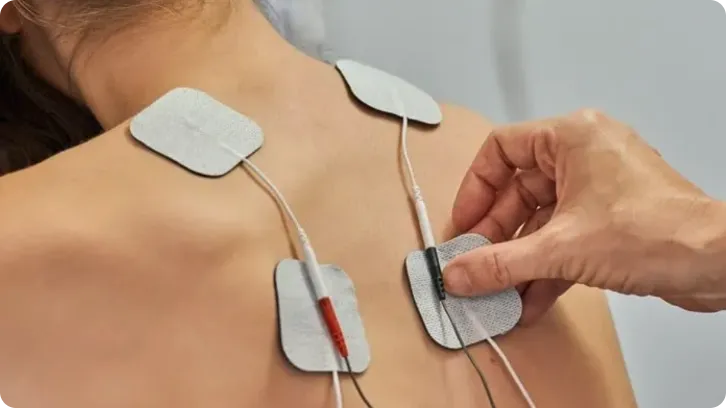
How TENS works
TENS (transcutaneous electrical nerve stimulation) uses a small electrical current delivered through conductive pads placed on the skin over the painful area to help reduce the perception of pain.
The key principle of TENS is stimulating the sensory nerves to reduce the transmission of pain signals to the brain, so that you feel less pain. The level of stimulation can be adjusted to suit each individual.
In addition, some forms of TENS can activate the body’s natural pain-relief mechanisms by promoting the release of endorphins, substances that help reduce the sensation of pain.
In general, TENS targets the sensory nerves rather than the motor nerves, so it is usually used to reduce pain without necessarily causing visible muscle contraction.
How does TENS reduce pain?
Electrical current → stimulates the sensory nerves → reduces the perception/transmission of pain signals → helps relieve pain
However, the effects of TENS may vary from person to person, depending on the type and nature of the pain, the area treated and the right current settings. A physical therapist should therefore assess your symptoms and choose the most appropriate method for you.
Benefits of TENS
- Relieves chronic pain, such as back pain, joint pain and muscle pain
- Helps reduce acute pain, such as pain from an injury or after surgery
- Restores muscle function
- Stimulates blood circulation, helping the body recover faster
- Has no serious side effects and can be combined with other treatments
Contraindications to TENS
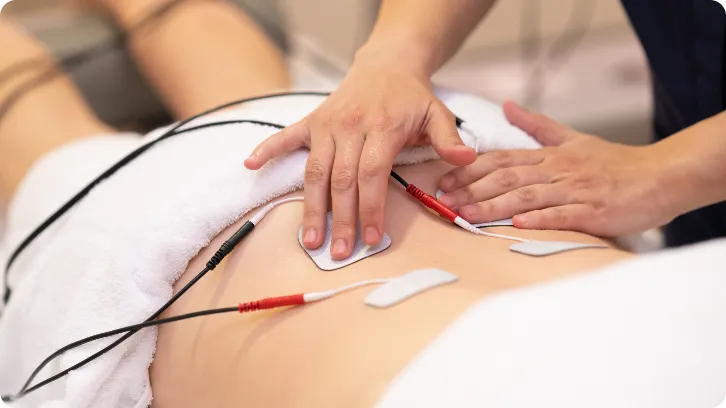
- Pregnant women (especially in the first trimester): avoid the abdomen and back
- Patients with a pacemaker or other implanted electronic device
- Patients with heart disease
- People with epilepsy (avoid the neck area)
- Patients who wear hearing aids or have had a hearing device surgically implanted
- Areas with open wounds or infection
- Always tell your doctor and physical therapist about any underlying conditions, history of accidents or previous surgery before every treatment.
Frequently asked questions about TENS
Q: What does TENS feel like?
A: When the TENS unit is switched on, you will feel a gentle tingling or pulsing of the electrical current on your skin, which may feel like a light massage. It should feel relaxing and comfortable, but it should not hurt or sting.
Q: Does TENS really help treat pain?
A: TENS relieves pain by blocking pain signals sent to the brain and stimulating the body to release endorphins, natural substances that suppress pain.
Q: How often do I need TENS to see results?
A: Sessions of 15–30 minutes are usually recommended, depending on the level of pain and your physical therapist’s advice. We recommend combining it with other treatments for better results.
Q: What kinds of pain can TENS be used for?
A: It can be used for muscle pain, joint pain, back pain, neck pain, osteoarthritis pain, period pain and nerve pain, such as pain from a herniated disc pressing on a nerve.
Q: Does TENS have any side effects?
A: It is generally considered safe. During treatment you will feel a comfortable tingling sensation. A rare side effect is skin irritation where the electrodes are attached. If you notice redness or an allergic reaction, stop using it and consult a doctor or physical therapist.
TENS is a technology that helps relieve pain and restore muscle function. It is suitable for people with chronic or acute pain. If you are in pain, do not let it become chronic. At Rehab Care Clinic, our experienced physical therapists are ready to advise you, plan the right treatment for you and look after you closely.
Pain treatment without drugs or surgery at Rehab Care Clinic
Pain treatment without drugs or surgery
at Rehab Care Clinic
Rehab Care Clinic is a specialist rehabilitation medicine and physical therapy clinic dedicated to high-quality, high-standard care, helping you to a stronger body and a better quality of life.
Contact a branch
-
Phetkasem
-
Rama 2
-
Muang Thong Thani
-
Ratchada
-
Sathorn
- Elboim-Gabyzon, M., Najjar, S. A., & Shtarker, H. (2019). Effects of transcutaneous electrical nerve stimulation (TENS) on acute postoperative pain intensity and mobility after hip fracture: A double-blinded, randomized trial. Clinical Interventions in Aging, 14, 1841–1850.
- Fiorelli, A., Morgillo, F., Milione, R., Pace, M. C., Passavanti, M. B., Laperuta, P., Aurilio, C., & Santini, M. (2012). Control of post-thoracotomy pain by transcutaneous electrical nerve stimulation: Effect on serum cytokine levels, visual analogue scale, pulmonary function, and medication. European Journal of Cardio-Thoracic Surgery, 41(4), 861-868.
- Benedetti, F., Amanzio, M., Casadio, C., Cavallo, A., Cianci, R., Giobbe, R., Mancuso, M., Ruffini, E., & Maggi, G. (1997). Control of postoperative pain by transcutaneous electrical nerve stimulation