

-
Image
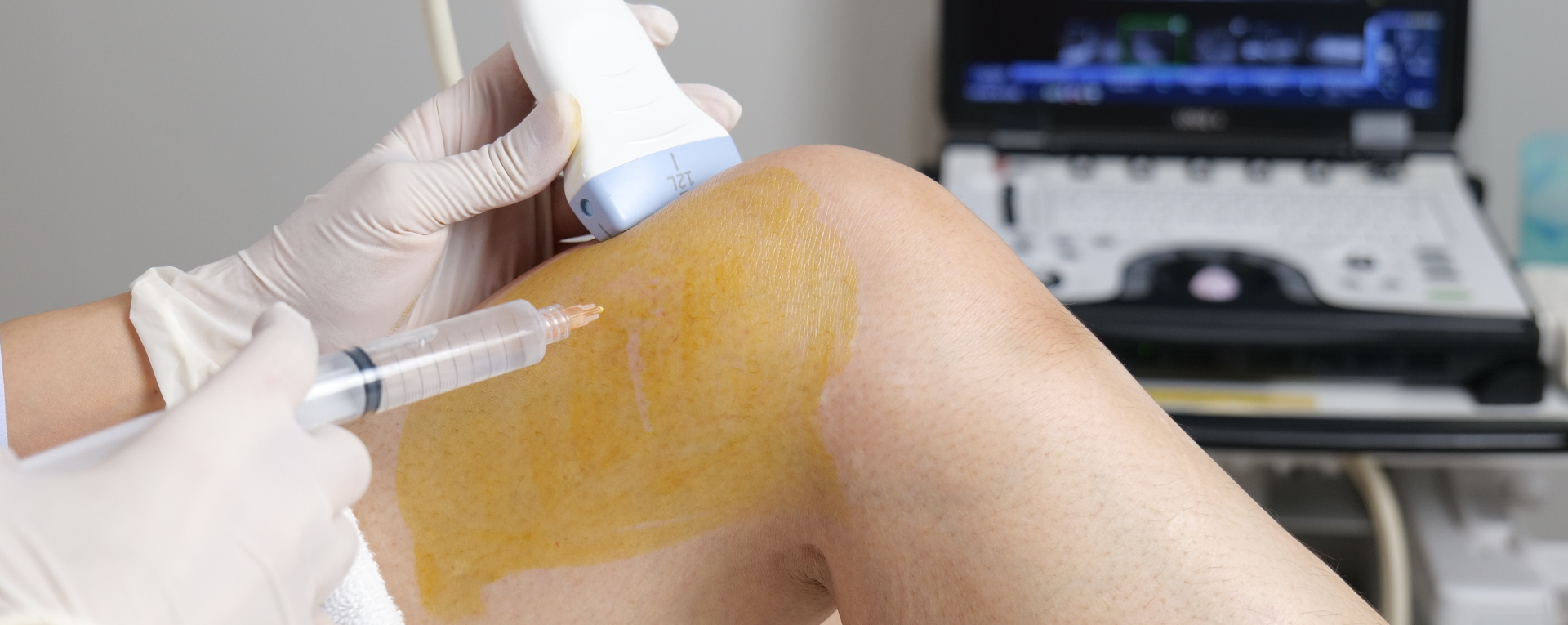

Hyaluronic acid injection (artificial joint fluid)
- What is a hyaluronic acid (artificial joint fluid) injection?
- Benefits of hyaluronic acid injections
- Who is hyaluronic acid suitable for?
- Side effects of the injection
- Contraindications
- Aftercare
- Rehab Care Clinic and modern image-guided injection technology
- Pain treatment without relying on medication or surgery at Rehab Care Clinic
What is a hyaluronic acid (artificial joint fluid) injection?
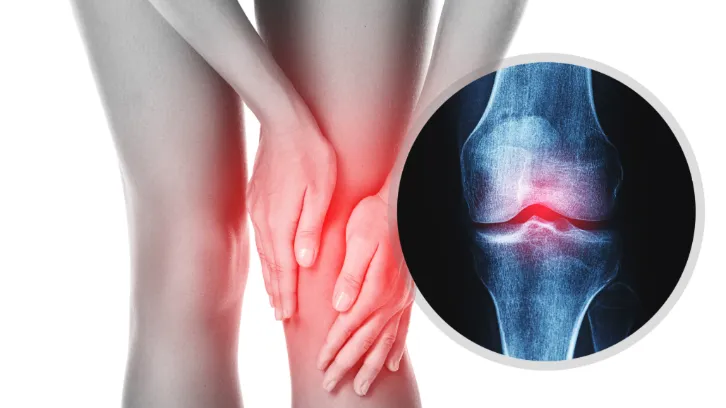
Artificial joint fluid is a substance developed to relieve joint pain and reduce friction inside the joint. It is suitable for people with osteoarthritis. It is similar to natural synovial fluid, the fluid the body produces to reduce friction, protect the cartilage in the joint from wear and help the joint move smoothly.
Benefits of hyaluronic acid injections
Injecting artificial joint fluid into the joint is another option for treating osteoarthritis. Its benefits are as follows:
1. Reduces friction in the joint: reduces rubbing within the joint so it moves better
2. Relieves joint pain: reduces inflammation and pain caused by osteoarthritis
3. Protects cartilage and helps reduce cartilage wear in the joint
4. Improves mobility: makes it easier for people with osteoarthritis to walk and carry out activities
5. Reduces the need for painkillers or surgery: one of the first-line options before more advanced treatment is considered
6. Can delay knee replacement by 6 months to 1.5 years: we recommend one injection per visit, one week apart, for a course of three injections, depending on the severity of the osteoarthritis, lifestyle changes and self-care. If the pain returns, your doctor can reassess you and consider repeat injections.
Who is hyaluronic acid suitable for?
- People with early to moderate knee osteoarthritis
- People with joint pain from heavy use
- People who want to avoid joint replacement surgery
Side effects of the injection
Most injections have no serious side effects. You may have some pain, swelling or redness, as with any injection. These symptoms resolve on their own, and a cold compress can help them settle faster. However, if you notice anything else unusual, such as a rash or severe pain, swelling, redness or heat, inform your doctor promptly so they can follow up.
Contraindications
1. Fever or any other systemic infection
2. Infection or skin disease at the injection site
3. A history of allergy to the drug being injected
Aftercare
After the injection, you can carry on with your normal daily routine, but you should avoid strenuous activity for about 2–3 days, such as walking long distances, running or exercising. Without adequate rest, the treatment will be less effective and complications may occur. For the best results, we recommend physical therapy alongside the injection, as it helps reduce inflammation and restore the muscles. Most importantly, you need to adjust your habits and take care of yourself.
Rehab Care Clinic and modern image-guided injection technology
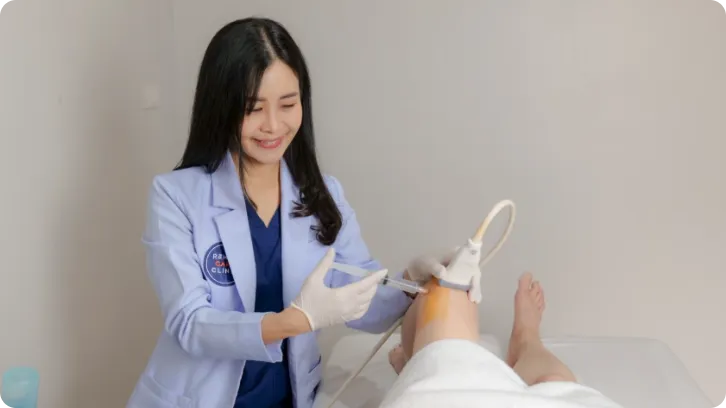
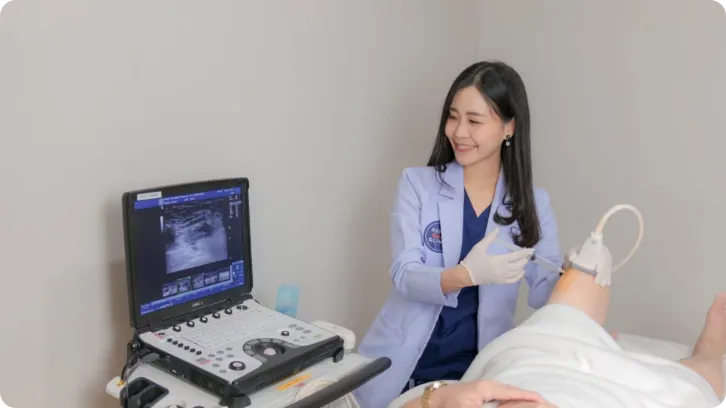
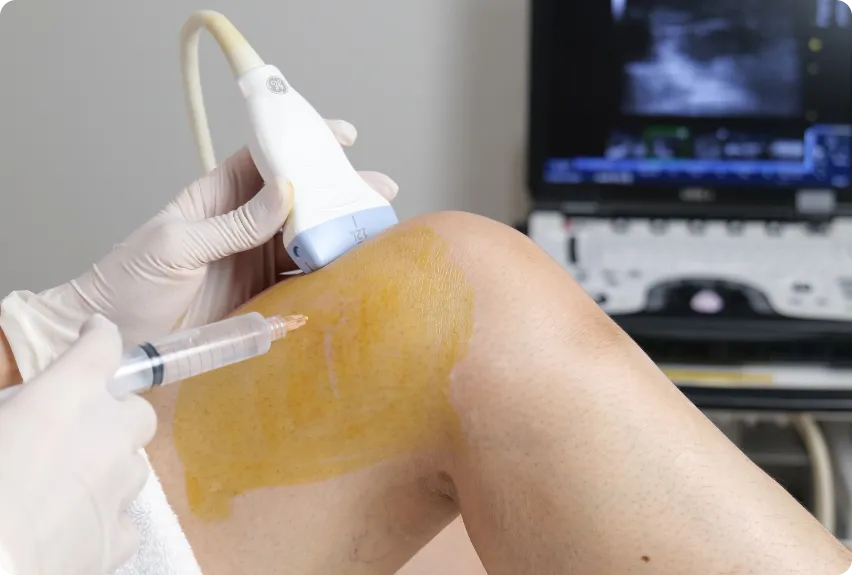
At Rehab Care Clinic, we use modern diagnostic ultrasound technology for diagnosis and to guide injections such as hyaluronic acid injections. Ultrasound guides the needle precisely to the problem area, making treatment effective and safe.
Artificial joint fluid is a good option for people with osteoarthritis or joint pain. It relieves symptoms and improves quality of life without the need for surgery. However, you should consult a specialist physician before treatment so they can assess you and plan the most appropriate treatment for you. If you are looking for assessment and treatment for knee problems, do not wait until they become chronic. At Rehab Care Clinic, our rehabilitation physicians and team of physical therapists are ready to take care of you.
Pain treatment without drugs or surgery at Rehab Care Clinic
Pain treatment without drugs or surgery
at Rehab Care Clinic
Rehab Care Clinic is a specialist rehabilitation medicine and physical therapy clinic dedicated to high-quality, high-standard care, helping you to a stronger body and a better quality of life.
Contact a branch
-
Phetkasem
-
Rama 2
-
Muang Thong Thani
-
Ratchada
-
Sathorn
- American College of Rheumatology. (2021). Osteoarthritis: Diagnosis and Treatment Guidelines. Retrieved from www.rheumatology.org
- McAlindon, T. E., Bannuru, R. R., Sullivan, M. C., et al. (2014). “OARSI guidelines for the non-surgical management of knee osteoarthritis.” Osteoarthritis and Cartilage, 22(3), 363-388.
- American Institute of Ultrasound in Medicine. (2022). The Role of Ultrasound Guidance in Musculoskeletal Interventions. Retrieved from www.aium.org
- World Health Organization. (2020). Guidelines on Injection Safety. Retrieved from www.who.int
- National Institute for Health and Care Excellence (NICE). (2019). Joint Injections for Osteoarthritis. Retrieved from www.nice.org.uk