
-
Image

What Is Physical Therapy?
Physical therapy and pain rehabilitation clinic – Rehab Care Clinic
- Physical therapy treats and rehabilitates the bones, muscles, joints and nerves without relying on medication.
- Suitable for people with pain from work, sport, accidents or after surgery.
- The physical therapist assesses the cause of your symptoms before designing an individual treatment plan.
- Rehab Care Clinic uses manual therapy, therapeutic exercise and medical technology to help patients recover and reduce the chance of recurrence.
Many people have experienced neck, shoulder, back or knee pain, or a sports injury, and chosen to rest, take medication or have a massage to relieve the symptoms. Although this may help at first, if the underlying cause is not addressed, the symptoms may come back or gradually become a chronic problem that affects work and daily life.
Physical therapy at a physical therapy clinic focuses on finding the cause of your symptoms while restoring your body's function so you can move efficiently again. It combines assessment by a physical therapist with treatment techniques, individually tailored exercise and appropriate medical equipment.
At Rehab Care Clinic, we take a holistic approach to caring for patients with bone, muscle, joint and nerve problems — from assessing symptoms and planning treatment to rehabilitation and preventing recurrence — so patients can return to daily life or sport with confidence.
What is physical therapy?
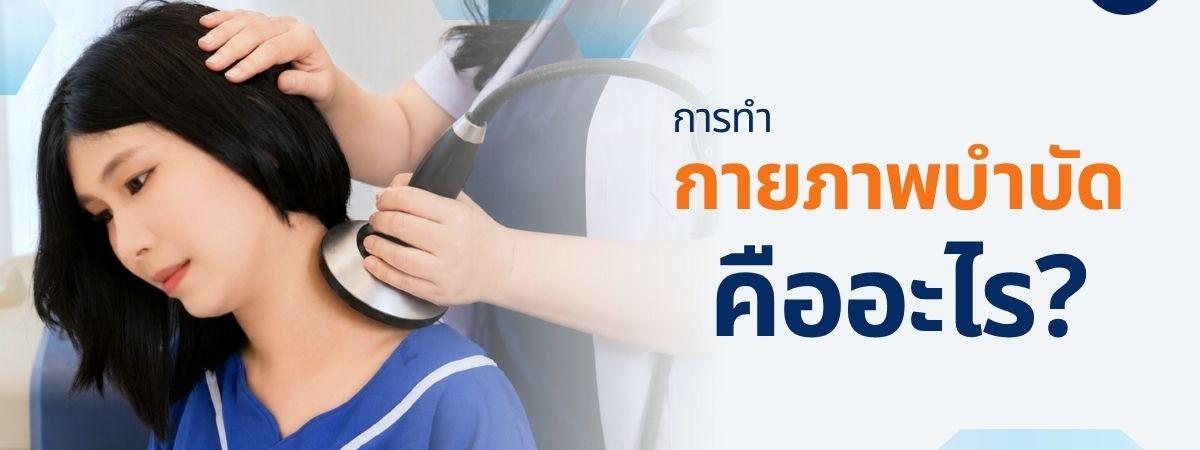
Physical therapy is a medical science that assesses, treats and rehabilitates movement disorders, particularly problems involving the muscles, joints, tendons, bones and nerves.
Many people think physical therapy is just massage or electrical stimulation, but in reality, treatment at a physical therapy clinic starts by finding the cause of your symptoms, such as muscle imbalance, faulty movement patterns or everyday habits. The physical therapist then plans treatment to suit each individual patient.
In some cases, if the patient has X-ray, MRI or ultrasound results, the physical therapist can use this information in the assessment to make the treatment plan more accurate and targeted.
When should you have physical therapy?
There is no need to wait until your symptoms become severe or chronic before visiting a physical therapy clinic. Getting assessed early usually leads to a faster recovery and reduces the risk of chronic symptoms.
If you have any of the following symptoms, we recommend an assessment by a physical therapist:
- Neck and shoulder pain or back pain from sitting at a desk
- Knee pain when walking, running or using stairs
- Shoulder pain, inability to raise the arm fully, or frozen shoulder
- Pain radiating down the arm or leg
- Numbness or muscle weakness
- Sports injuries
- Rehabilitation after surgery or an accident
- Recurring pain despite previous treatment
If you have pain together with severe muscle weakness, difficulty walking, loss of bladder or bowel control, or symptoms after a serious accident, see a doctor immediately for further examination before starting physical therapy.
What conditions can physical therapy treat?
Rehab Care Clinic provides physical therapy for patients with bone, muscle, joint and nerve problems. Common conditions include:
- Neck and shoulder pain and office syndrome
- Back pain and herniated discs pressing on a nerve
- Shoulder pain and frozen shoulder
- Knee pain and knee osteoarthritis
- Tendinitis, such as tennis elbow or golfer's elbow
- Plantar fasciitis
- Achilles tendinitis
- Sports injuries
- Rehabilitation after bone, joint or tendon surgery
- Chronic pain from everyday use
The physical therapist assesses the cause of your symptoms before choosing a treatment approach, because pain in the same place can have different causes. For example, knee pain may originate from the knee joint, the hip muscles or an abnormal walking pattern.
What is the difference between physical therapy and massage?
Many people think physical therapy and massage are the same kind of treatment, because both can help relieve aches and pains. However, they have clearly different aims and approaches.
The main aim of massage is to release muscle tension, increase blood circulation and help you relax. It is therefore suited to people with fatigue from everyday activities, or who want temporary muscle relaxation. But if the pain is caused by a problem with the joints, tendons, muscles or nerves, massage alone may not be able to fix the root cause.
Physical therapy, on the other hand, starts with a detailed medical history and physical assessment to find the cause of the symptoms, whether that is muscle imbalance, abnormal joint movement, a sports injury or nerve compression. The physical therapist then creates an individual treatment plan, which may include manual therapy, therapeutic exercise and physical therapy equipment such as focused shockwave, high-power laser or PMS, as appropriate for each patient.
Although massage can reduce pain in the short term, physical therapy at a physical therapy clinic aims to restore the body's function, correct the cause of the symptoms and reduce the chance of recurrence in the long term. It is therefore suitable for people with chronic pain, sports injuries, those recovering from surgery, or people with limited movement.
Massage | Physical therapy |
|---|---|
Focuses on relaxing the muscles | Focuses on finding and treating the root cause |
Suited to general fatigue | Suited to pain from disease or injury |
No movement assessment needed | Detailed medical history and physical examination |
Provides short-term relief | Rehabilitation planned to reduce the chance of recurrence |
No individual exercise programme | Exercises and self-care are taught |
Massage can be part of managing pain, but for people with chronic symptoms or limited movement, physical therapy usually addresses the problem more comprehensively.
Why patients choose Rehab Care Clinic for physical therapy
Choosing the right physical therapy clinic is not just about the amount of equipment, but about accurate assessment and treatment planned to suit each patient.
At Rehab Care Clinic, we believe each patient's symptoms have a different cause, even when the pain is in the same place. Treatment should therefore start by finding the cause, not just treating the painful area.
Care by physical therapists and rehabilitation physicians
Patients are assessed by the clinic's physical therapists, who are experienced in musculoskeletal conditions and sports injuries. If there are signs that further diagnosis is needed, you can consult a rehabilitation physician to help plan your treatment.
Individual treatment plans
Pain does not have the same cause in everyone. For example, in patients with knee pain, some cases are caused by knee osteoarthritis, others by weak hip muscles or uneven weight-bearing. Our physical therapists therefore design a treatment programme to suit each individual, rather than using the same approach for everyone.
Modern physical therapy technology
Rehab Care Clinic uses internationally recognised physical therapy equipment, which our physical therapists select to suit each patient's symptoms, helping to reduce pain and inflammation and promote tissue recovery.
A focus on rehabilitation and preventing recurrence
As well as treating pain, patients receive advice from the clinic on adjusting their habits, exercise and self-care to help reduce the risk of recurrence in the long term.
Physical therapy technology and equipment
Physical therapy at our clinic does not rely on any single piece of equipment. Instead, the equipment is chosen to suit the type of symptoms, the stage of injury and each patient's treatment goals.
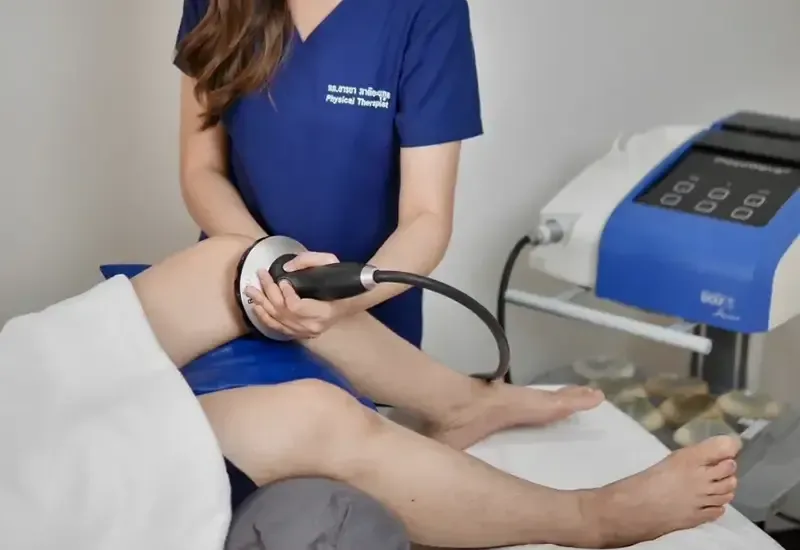
Focused shockwave therapy uses high-energy shockwaves to stimulate the body's repair process, reduce pain and promote the recovery of injured tendons, muscles and tissues. It is suitable for conditions such as chronic muscle pain, plantar fasciitis, chronic tendinitis, shoulder pain, tennis elbow and sports injuries.
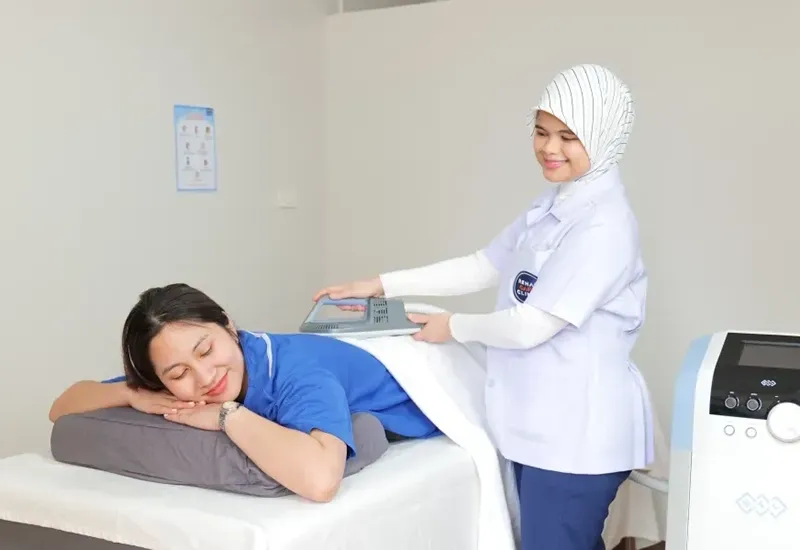
Peripheral Magnetic Stimulation (PMS)
PMS uses electromagnetic waves to stimulate the muscles and nerves, helping to reduce pain and radiating numbness and restore muscle and nerve function without direct contact with the skin. It is suitable for people with pain radiating down the arm or leg, muscle weakness, or those recovering from an injury.
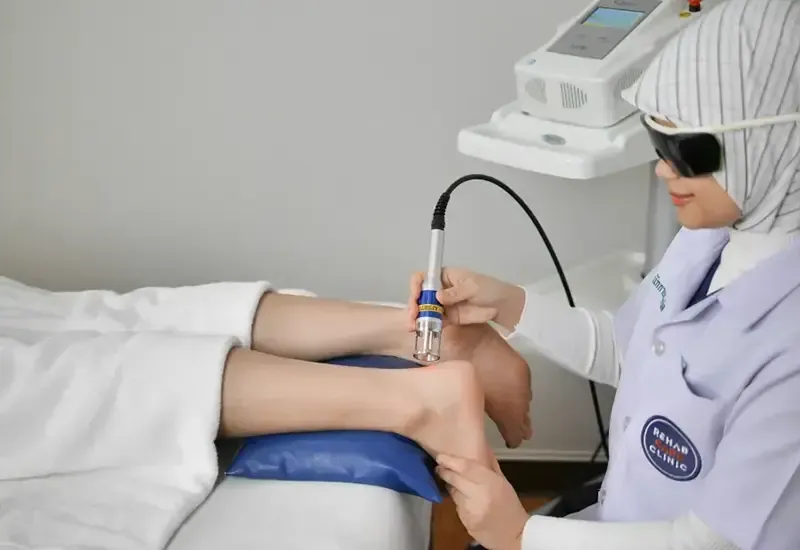
High-power laser therapy uses a high-power laser to deliver energy into the tissues, helping to reduce inflammation, relieve pain and stimulate tissue repair. It is often used for patients with tendinitis, muscle inflammation, arthritis or sports injuries.
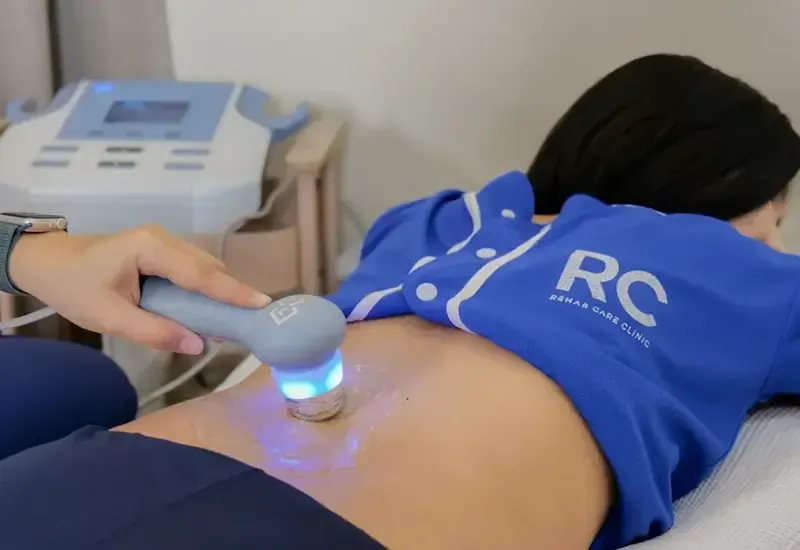
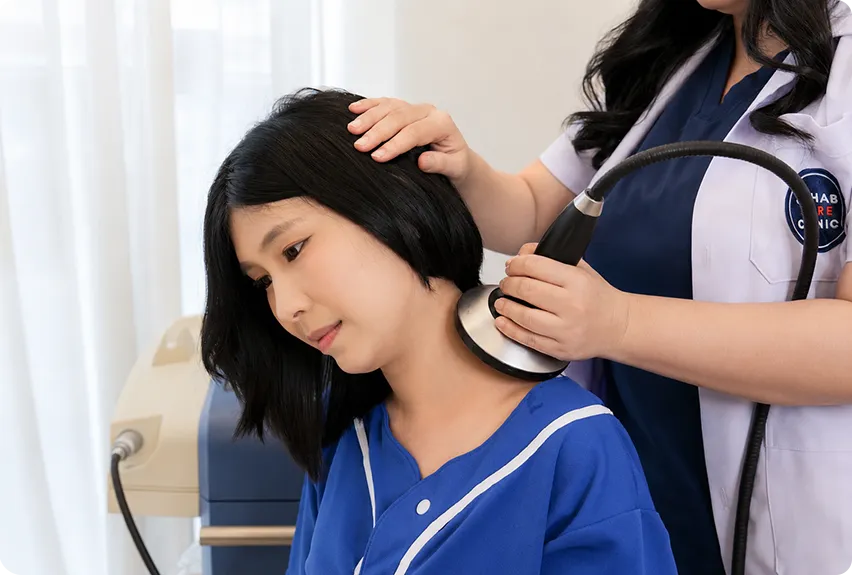
Ultrasound therapy uses high-frequency sound waves to increase blood circulation, reduce muscle tension and help injured tissue recover better. The physical therapist selects the frequency and energy level to suit the location and stage of the injury for maximum effectiveness.
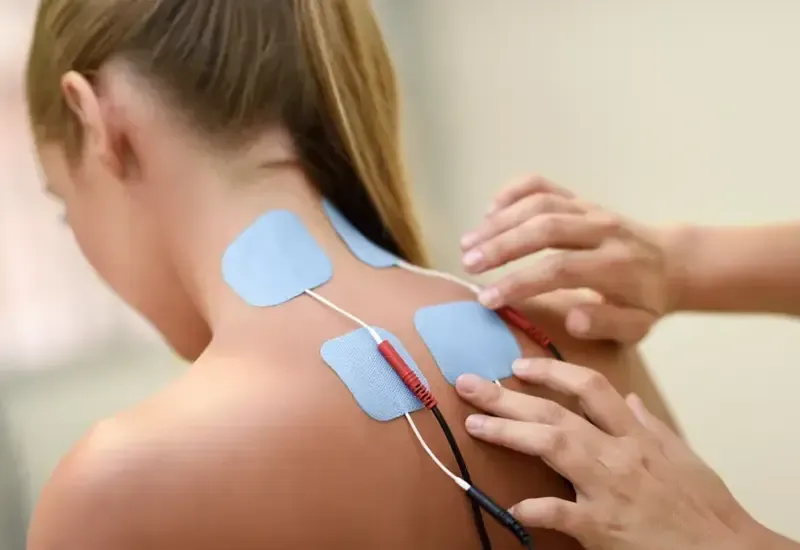
Electrical stimulation is another method that helps reduce pain and muscle spasm, and can stimulate muscle function in some patients. The physical therapist selects a programme suited to each condition.
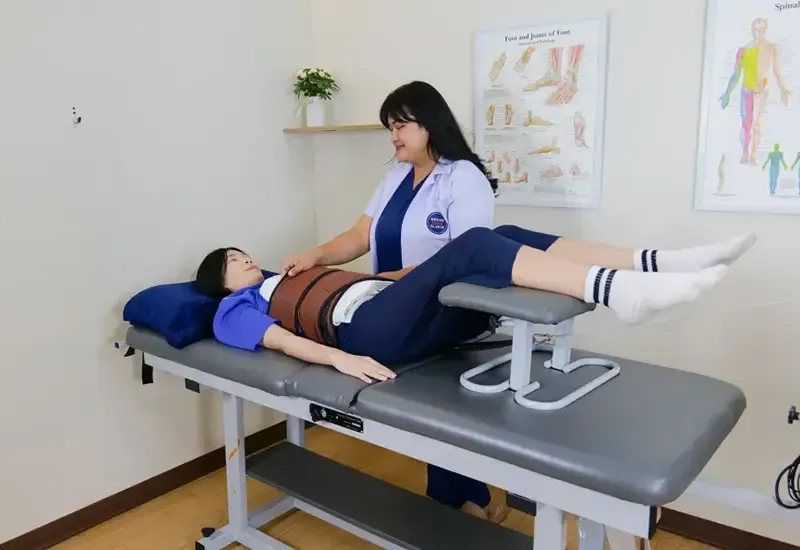
Traction (neck and back traction)
Traction uses a pulling force to help reduce pressure on the spinal discs and nerves in patients for whom it is indicated. It helps reduce pain and relax the muscles around the spine.
Manual Therapy
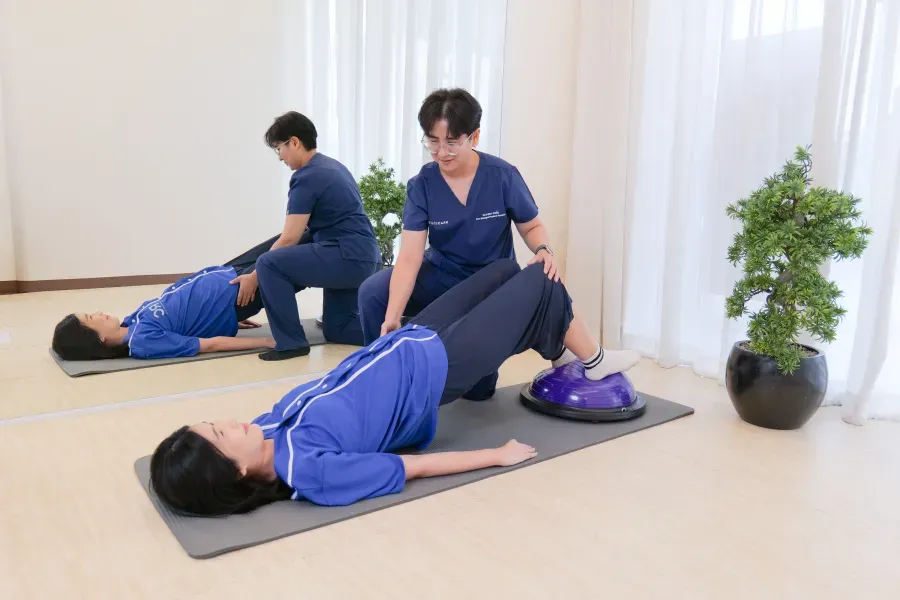
Manual therapy refers to hands-on treatment techniques used by the physical therapist, such as joint mobilisation, muscle stretching and soft tissue release, to increase movement, reduce pain and restore joint and muscle function.
Therapeutic Exercise
Therapeutic exercise is an essential part of physical therapy because it builds strength and flexibility and restores normal movement patterns. The physical therapist designs a programme to suit each patient and teaches exercises you can continue at home.
The treatment process at Rehab Care Clinic
Effective treatment starts with an accurate assessment. Every time you visit Rehab Care Clinic for physical therapy, you will receive care in the following steps:
1. Medical history and assessment
The clinic's physical therapist will ask about your symptoms, examine you and assess your movement to find the cause of the problem.
2. Treatment planning
The clinic will explain the assessment results and set goals and a treatment approach suited to you.
3. Treatment with appropriate techniques and equipment
This may include manual therapy combined with therapeutic exercise and the clinic's technologies, such as shockwave, PMS, high-power laser or ultrasound, as indicated.
4. Self-care advice
You will receive advice on posture correction, exercise and preventing recurrence.
5. Follow-up and treatment plan adjustment
The clinic's physical therapist will assess your progress and adjust the plan to suit your recovery.
Physical therapy FAQ
Does physical therapy hurt?
Physical therapy should not generally cause severe pain. During treatment you may feel slight tightness or aching with some techniques, such as muscle stretching, which is a perfectly natural sensation. The physical therapist will adjust the intensity of treatment to suit each individual so that it is both effective and safe.
How many physical therapy sessions are needed to see results?
The number of sessions depends on the type of condition, the severity of the symptoms and how each person responds. Many patients start to feel better within 3–6 sessions, but people with chronic symptoms or those recovering from surgery may need ongoing treatment according to the plan recommended by their physical therapist.
Do I need to see a doctor before physical therapy?
No. People with pain or musculoskeletal problems can be assessed directly by a physical therapist at a physical therapy clinic. If there are signs that further examination is needed, the physical therapist will recommend seeing a specialist doctor for diagnosis and an appropriate treatment plan.
Can physical therapy treat office syndrome?
Yes. The physical therapy clinic and physical therapist will assess the cause of your symptoms, such as your sitting posture at work, muscle tension, spinal movement and everyday habits. They will then plan your treatment and advise you on adjusting your workstation and on exercises to help reduce symptoms and prevent recurrence.
Can physical therapy treat a herniated disc pressing on a nerve?
For many patients, physical therapy can help reduce pain, relieve radiating numbness and restore movement without the need for surgery. However, the treatment approach depends on the severity of the symptoms and the assessment by the doctor or physical therapist.
Do I need physical therapy after surgery?
In many cases — for example after anterior cruciate ligament (ACL) surgery, or knee, shoulder or bone surgery — physical therapy is an essential part of recovery. It helps increase range of motion, reduce joint stiffness and build muscle strength so you can return to normal use safely.
Can I still exercise during physical therapy?
It depends on the type of condition and the stage of treatment. Your physical therapist will advise you on which activities you can do and adjust your exercise programme to suit your individual recovery.
Pain treatment without drugs or surgery at Rehab Care Clinic
Pain treatment without drugs or surgery
at Rehab Care Clinic
Rehab Care Clinic is a specialist rehabilitation medicine and physical therapy clinic dedicated to high-quality, high-standard care, helping you to a stronger body and a better quality of life.
Contact a branch
-
Phetkasem
-
Rama 2
-
Muang Thong Thani
-
Ratchada
-
Sathorn