
-
Image

Peripheral magnetic stimulation (PMS)
- Peripheral magnetic stimulation (PMS):
what is it? - How PMS works
- Benefits of peripheral magnetic stimulation (PMS)
- Who is PMS suitable for?
- Side effects and precautions when using PMS
- Contraindications for PMS treatment
- Frequently asked questions about PMS
- Treat pain without drugs or surgery at Rehab Care Clinic
What is peripheral magnetic stimulation (PMS)?
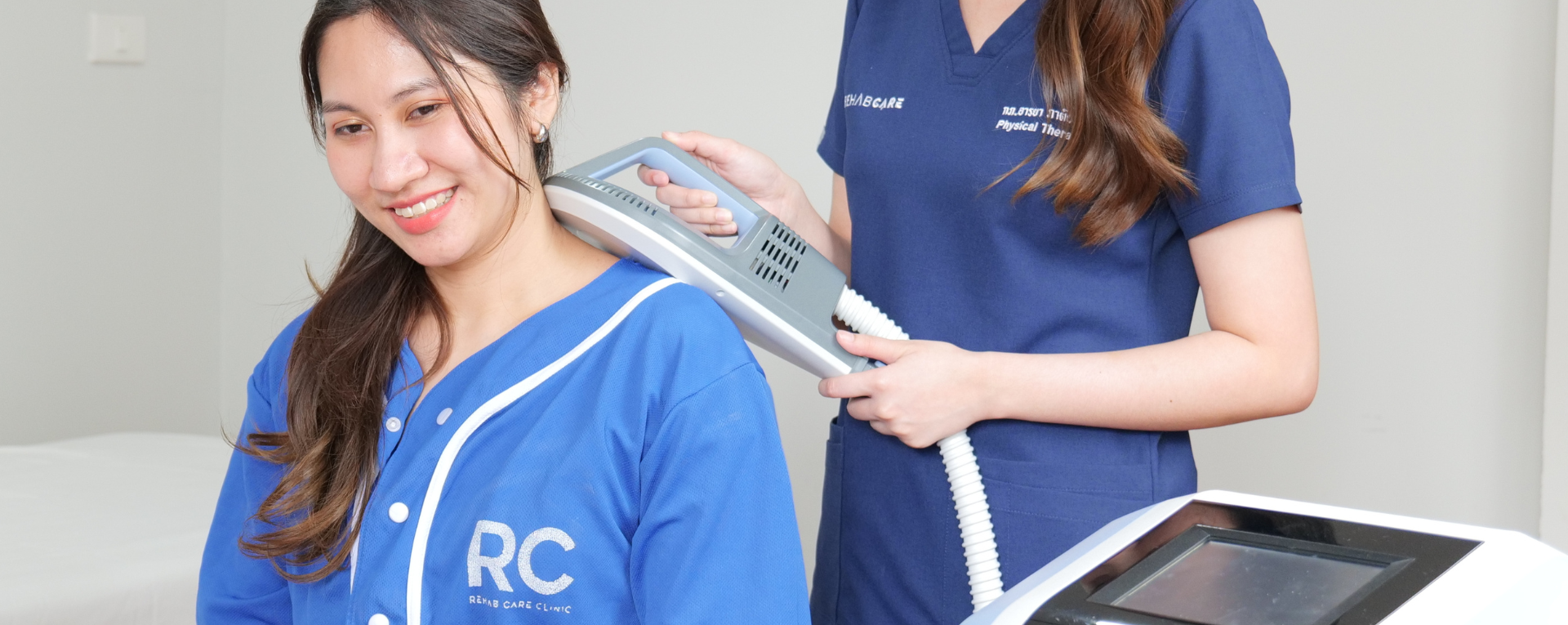
PMS (peripheral magnetic stimulation) is a new technology that uses electromagnetic energy to stimulate the muscles and peripheral nerves. It helps restore muscle function, reduce pain and build strength without direct contact with the body — it can stimulate through clothing, without touching the skin.
How PMS works
PMS uses high-intensity electromagnetic waves to stimulate the nerves and muscles. The magnetic waves create an energy field that makes the muscles contract and relax naturally. The waves can penetrate up to 10 centimetres deep without injuring the surrounding tissue, and trigger a stimulation process (depolarisation). This improves blood circulation, promotes tissue repair and reduces inflammation, lessening injury, pain and numbness. It also helps build strength, slows muscle wasting and can reduce spasticity in patients with paresis or paralysis.
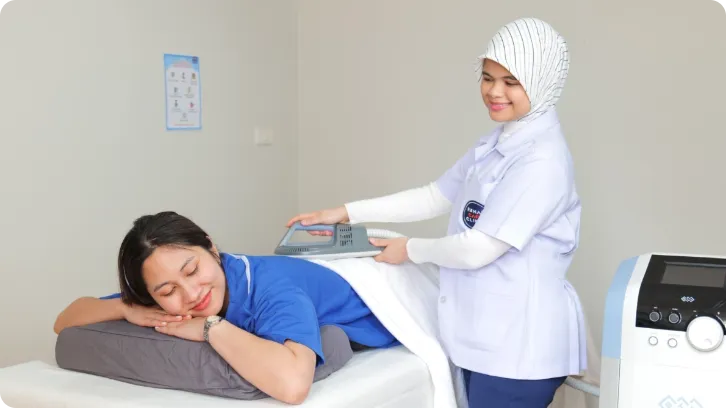
PMS being used to treat back pain radiating down the leg at Rehab Care Clinic
Benefits of peripheral magnetic stimulation (PMS)
- Reduces pain and radiating pain, such as back pain, back pain radiating down the leg, shoulder pain radiating down the arm, and chronic muscle pain
- Stimulates muscle function suitable for people who need to rehabilitate after an injury
- Helps treat nerve conditions such as numbness in the hands and feet caused by nerve compression
- Rehabilitates weakness in people with muscle weakness due to paresis or paralysis
- Builds muscle strength in older adults or people with muscle atrophy
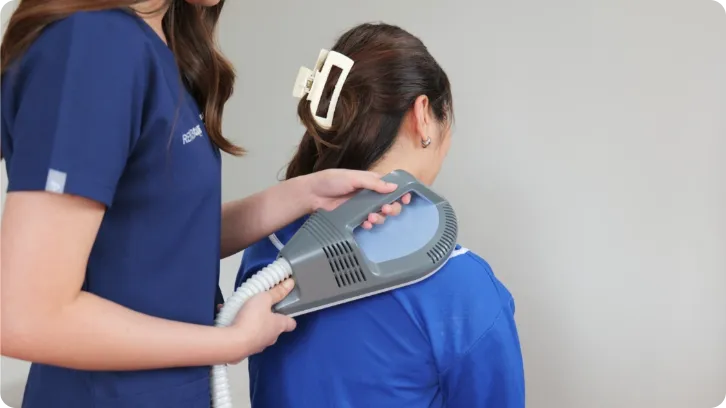
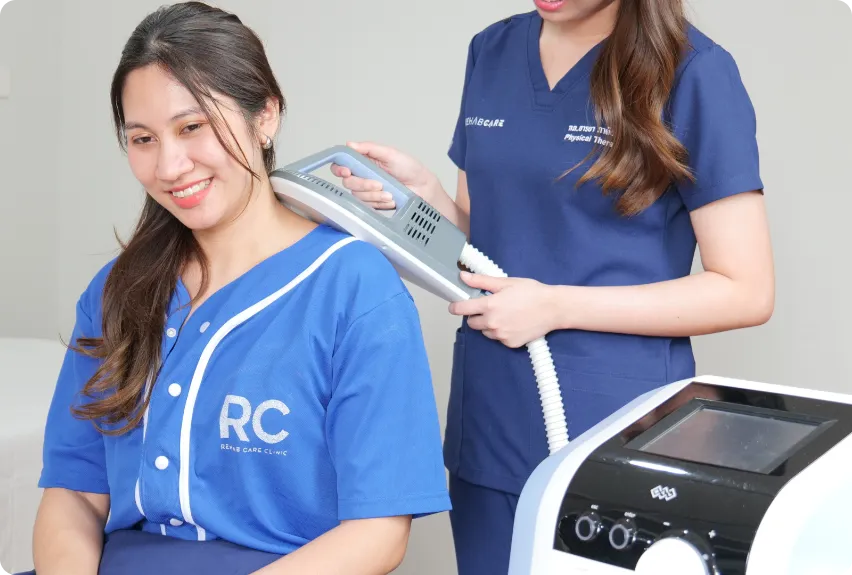
PMS being used to treat office syndrome pain at Rehab Care Clinic
Who is PMS suitable for?
- People with muscle pain, whether acute or chronic pain from repetitive muscle use, such as office syndrome, sports injuries or work-related injuries
- People with joint or spinal pain
- Athletes or people injured while exercising
- People with numbness or radiating nerve pain caused by peripheral nerve disorders, such as nerve compression, nerve injury from an accident, or complications of diabetes
- People with weakness, paresis or paralysis caused by stroke or other brain conditions
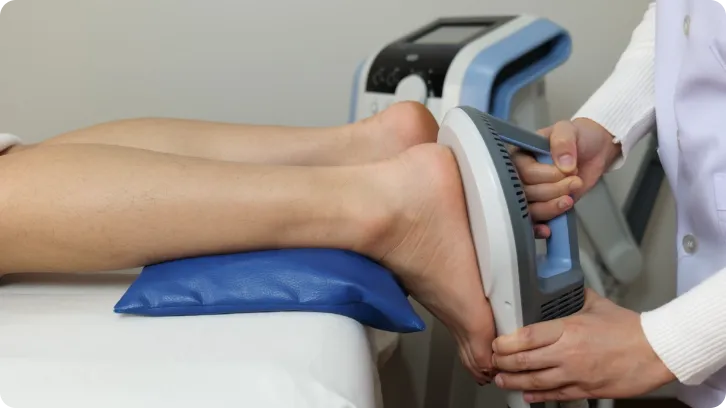
PMS being used to treat foot numbness at Rehab Care Clinic
Side effects and precautions when using PMS
- Remove all electronic devices and metal objects before treatment, such as mobile phones, watches, credit cards, car keys, belt buckles, trouser buttons and bra hooks. Electromagnetic induction can cause heat to build up in nearby metal objects and may damage those devices.
- Treatment must be carried out by a doctor or physical therapist, as it may cause muscle soreness, fatigue or cramps for around 2–3 days.
Contraindications for PMS treatment
- People with a pacemaker, or who have had surgery and have an electronic device implanted in the body
- People with metal implants in the area to be treated
- Pregnant or breastfeeding women
- People with epilepsy or neurological conditions sensitive to electromagnetic waves
- People with open wounds or severe inflammation in the area to be treated. Always inform the doctor and physical therapist of any underlying conditions, history of accidents or previous surgery before every treatment.
Frequently asked questions about PMS
Q: How long does PMS treatment take?
A: Each session generally takes about 20–30 minutes, depending on the area being treated and the patient's condition.
Q: How many sessions are needed to see results?
A: The recommended number of sessions depends on each person's symptoms. Patients usually start to see results within the first 3–6 sessions and may need around 10–15 sessions in total for the best results. Symptoms vary from person to person, so this depends on the level of pain and the advice of the doctor and physical therapist in charge.
Q: Does PMS hurt?
A: PMS does not cause pain, but you will feel the muscles being stimulated — they will twitch, contract and relax, similar to exercise. Some people may therefore feel muscle fatigue afterwards.
Q: Are there any side effects?
A: PMS is a safe treatment with no serious side effects. In some cases, however, it may cause slight muscle tightness or soreness, or a feeling of tiredness or fatigue, which goes away on its own within a few hours.
Q: Can PMS be combined with other physical therapy?
A: Yes, it can be used together with other physical therapy equipment, and gives even better results when combined with rehabilitation exercise. PMS, or peripheral magnetic stimulation, is a modern and effective technology that helps relieve pain, restore muscle function and promote overall health. It is not harmful to the body and has no serious side effects, making PMS a good choice for anyone who needs rehabilitation — whether patients with muscle or nerve problems, or people who want to improve their muscle performance in daily life.
Start treatment today for a better quality of life. If you are suffering from radiating pain or numbness, don't let chronic symptoms affect your daily life. Rehab Care Clinic is ready to help, with rehabilitation physicians and experienced physical therapists who will advise you and design a treatment plan tailored specifically to you.
Pain treatment without drugs or surgery at Rehab Care Clinic
Pain treatment without drugs or surgery
at Rehab Care Clinic
Rehab Care Clinic is a specialist rehabilitation medicine and physical therapy clinic dedicated to high-quality, high-standard care, helping you to a stronger body and a better quality of life.
Contact a branch
-
Phetkasem
-
Rama 2
-
Muang Thong Thani
-
Ratchada
-
Sathorn
- American Physical Therapy Association. (2023). Magnetic Stimulation in Physical Therapy: Benefits and Applications.
- World Health Organization. (2022). Guidelines on Non-Invasive Neuromodulation Techniques.
- Journal of Rehabilitation Medicine. (2021). Clinical Efficacy of Peripheral Magnetic Stimulation in Muscle Rehabilitation.
- Mayo Clinic. (2023). Peripheral Magnetic Stimulation: Safety and Effectiveness.