

-
Image



Neck, shoulder and upper back pain: watch out for office syndrome
- Neck, shoulder and upper back pain: watch out for office syndrome
- What does neck, shoulder and upper back pain feel like? Check whether you have these symptoms
- What causes neck, shoulder and upper back pain (office syndrome)?
- Besides office syndrome, what other conditions can cause neck and shoulder pain?
- How to prevent and relieve office syndrome
- What happens if neck, shoulder and upper back pain becomes chronic?
- Treatment for chronic neck, shoulder and upper back pain (office syndrome) at Rehab Care Clinic
- Physical therapy treatment
- Pain treatment without medication or surgery at Rehab Care Clinic
Neck, shoulder and upper back pain: watch out for office syndrome
Neck, shoulder and upper back pain, or office syndrome, is one of the most common health problems among office workers who have to stay in the same position for long periods, whether working at a computer, driving or even looking down at a mobile phone for hours. These postures can strain the muscles and joints, causing pain in the neck, shoulders, upper back and shoulder blades, as well as other symptoms such as headaches or pain radiating down the arm. If these symptoms are not addressed, they can become a chronic health problem that affects the quality of life of working people.

What does neck, shoulder and upper back pain feel like? Check whether you have these symptoms
1. Tightness or aching : a tight ache at the back of the neck, sometimes spreading to the shoulders and upper back
2. Acute or chronic pain : it may come on suddenly after an accident or awkward movement, or build up gradually over a long period
3. Radiating pain : in some cases, the pain may spread to the arm, shoulder or even the head
4. Pain when moving the neck : pain when you move your head, such as looking down, looking up or turning left and right
5. Muscle tension : the neck muscles feel stiff and tight and you cannot move freely
6. Accompanying headaches : neck pain can cause headaches, especially tension headaches
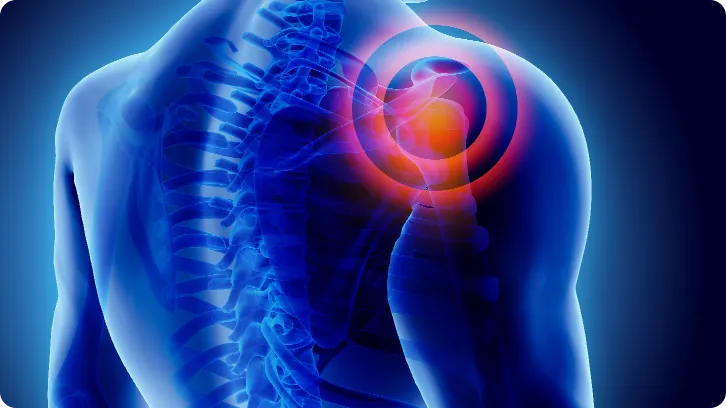

Pain treatment without medication or surgery
at Rehab Care Clinic
Rehab Care Clinic, a specialist rehabilitation medicine and physical therapy clinic,
is committed to providing high-quality, high-standard care
to give you a stronger body and a better quality of life.
"Dedicated to caring for every kind of pain, with doctors and physical therapists,
modern equipment and service from the heart."
What causes neck, shoulder and upper back pain (office syndrome)?
Neck, shoulder, upper back and shoulder blade pain from office syndrome is mainly caused by unsuitable working habits and environments, such as:
1. Poor sitting posture : sitting with a hunched back, rounded shoulders or the head pushed forward makes the neck, shoulder and upper back muscles overwork
2. Sitting at work for long periods without changing position : this makes the muscles tight and impairs blood circulation
3. A computer screen at the wrong height : this may force you to look down or up for long periods
4. Poor use of the mouse and keyboard : positioning your arms incorrectly or using too much force can cause pain in the shoulders, upper back and wrists
5. Work stress and pressure : this makes the muscles tense, which can make chronic pain worse
Staying in the same position repeatedly for long periods, combined with an unsuitable work environment, causes muscle imbalance, so the body's structure adapts in the wrong way. This affects the body's structure as follows:
- The head and neck jut forward
- The cervical spine curves more than normal
- The shoulders round forward
- The shoulders are raised
- The thoracic spine curves more than normal
- The shoulder blades move forward, with their inner edges clearly sticking out
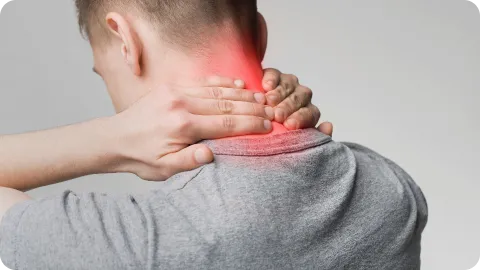
Cervical spondylosis (degeneration of the neck)
Caused by degeneration of the joints and discs in the neck, usually in older people or those who have put heavy strain on their necks over a long period. Symptoms may include chronic neck pain, stiffness, difficulty moving and possibly numbness radiating down the arm.
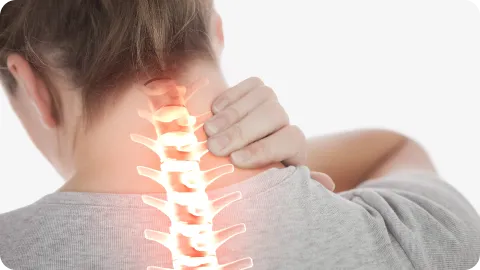
Herniated disc pressing on a nerve
Caused by a degenerated disc pressing on a nerve, resulting in neck pain that radiates to the arm and hand, possibly with numbness or weakness. If left untreated, it may affect movement and the nervous system.

Fibromyalgia
A condition that causes chronic pain throughout the body, including the neck, shoulders and upper back. Patients may also experience fatigue, headaches, insomnia and greater sensitivity to pain than normal. The condition is related to the nervous system and often occurs in people under a lot of stress.
Pain treatment without medication or surgery
at Rehab Care Clinic
Rehab Care Clinic, a specialist rehabilitation medicine and physical therapy clinic,
is committed to providing high-quality, high-standard care
to give you a stronger body and a better quality of life.
"Dedicated to caring for every kind of pain, with doctors and physical therapists,
modern equipment and service from the heart."
How to prevent and relieve office syndrome
- Correct your sitting posture and avoid looking down for too long
- Move around, stretch and exercise your neck, shoulder and upper back muscles regularly to reduce tightness
- Set up your work environment properly
- Reduce stress and get enough rest
- Use a hot compress to relax the muscles, or a cold compress to relieve inflammation
- Exercise regularly
If the pain is severe or does not improve, consult a doctor for proper diagnosis and treatment.

What happens if neck, shoulder and upper back pain becomes chronic?
1. Muscle inflammation and fascial adhesions
- The neck and shoulder muscles have to work hard all the time, leading to chronic inflammation
- Fascial adhesions (myofascial pain syndrome) may form, causing constant radiating pain and tightness
2. Chronic headaches and migraines
- Tension in the neck and shoulder muscles may compress nerves connected to the head
- This can cause chronic headaches or migraines, which may affect concentration and work
3. Premature degeneration of the neck
- Sitting in poor posture for long periods makes the cervical discs degenerate faster than normal
- The neck vertebrae may compress a nerve, causing numbness or pain radiating down the arm and hand
4. Numbness or weakness in the arms and hands
- Nerves compressed for a long time may cause numbness or weakness in the arm muscles
- If left untreated, this may affect the use of your hands, for example making it harder to grip objects
5. Poor circulation and dizziness
- Compression from tight muscles may reduce blood flow to the brain
- This can cause dizziness, light-headedness or chronic fatigue
6. Impact on quality of life
- Chronic pain lowers quality of life and stops you from working at your best
- It becomes harder to treat and takes longer to recover
- It may affect your mood, causing stress and even depression

Treatment for chronic neck, shoulder and upper back pain (office syndrome) at Rehab Care Clinic
At Rehab Care Clinic, treatment is planned jointly by rehabilitation physicians and skilled physical therapists so that everyone receives comprehensive and appropriate care. Our treatment programme for chronic neck, shoulder and upper back pain (office syndrome) includes:
Treatment by rehabilitation medicine specialists

1) Dry needling
Helps stimulate blood circulation and reduce pain
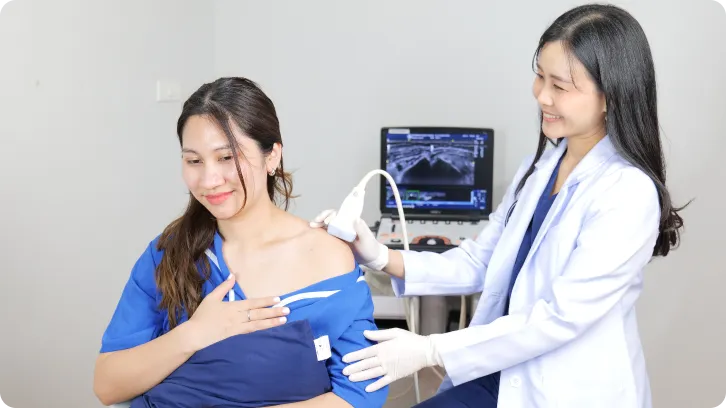
2) Prolotherapy injections
Using ultrasound guidance (US-guided injection with prolotherapy), glucose is injected into the painful or chronically inflamed muscles, tendons and fascia. The aims are to:
- Stimulate repair and accelerate the body's natural healing and recovery
- It is a long-accepted method in the United States, backed by research supporting its results
- No steroids are used
Rehab Care Clinic uses diagnostic ultrasound to guide every injection precisely to the affected spot, making it effective and highly accurate and reducing the risk of hitting blood vessels or nerves.
Physical therapy treatment
Rehab Care Clinic uses modern pain-relief physical therapy equipment imported from countries such as Germany, Italy and the UK.
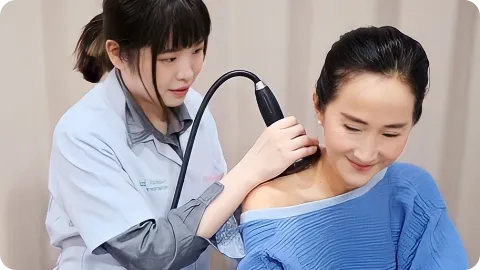
1. Focused shockwave therapy
Delivers energy through shockwaves to the injured area to reduce inflammation and pain, while also stimulating the body's repair process and treating chronic pain.
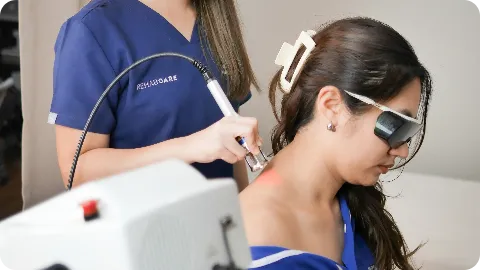
2. High-power laser therapy
Helps energise cells and stimulates the body's repair process, rapidly reducing inflammation. It also helps reduce nerve-ending irritation such as numbness and burning, and relieves muscle spasm.
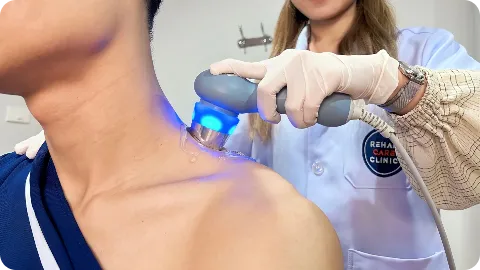
3. Therapeutic ultrasound (deep heat)
Helps treat injuries to tendons and soft tissue and speeds up the repair process by increasing blood flow and the flexibility of connective tissue, while reducing pain and tension in the muscles and tendons.
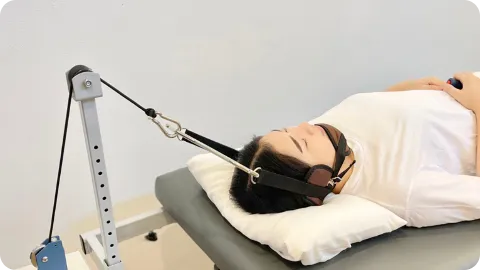
4. Cervical or lumbar traction
Relaxes the muscles of the neck or back. The traction force is calculated according to body weight, and the pull and release times are set appropriately for safety and more effective treatment.
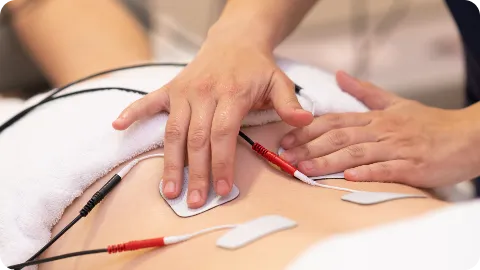
5. Electrical stimulation (TENS)
Transcutaneous electrical nerve stimulation that helps reduce pain.

6. Therapeutic exercise and hydrotherapy
To correct posture and restore strength so that the pain does not come back.
Pain treatment without drugs or surgery at Rehab Care Clinic

Pain treatment without drugs or surgery
at Rehab Care Clinic
Rehab Care Clinic is a specialist rehabilitation medicine and physical therapy clinic dedicated to high-quality, high-standard care, helping you to a stronger body and a better quality of life.
Contact a branch
-
Phetkasem
-
Rama 2
-
Muang Thong Thani
-
Ratchada
-
Sathorn
- National Institutes of Health (NIH). (n.d.). Musculoskeletal Disorders and Workplace Factors. Retrieved from https://www.nih.gov
- World Health Organization (WHO). (2021). Global Burden of Musculoskeletal Conditions. Retrieved from https://www.who.int
- American Chiropractic Association (ACA). (2020). Neck Pain and Posture-related Disorders. Retrieved from https://www.acatoday.org
- Davies, C. (2013). The Trigger Point Therapy Workbook: Your Self-Treatment Guide for Pain Relief. New Harbinger Publications.
- Journal of Orthopaedic & Sports Physical Therapy (JOSPT). (2020). Ergonomics and Postural Syndrome in Office Workers. Retrieved from https://www.jospt.org
- Siriraj Hospital. (2022). Guidelines for treating neck, shoulder and upper back pain from office syndrome. Retrieved from https://www.sirirajhospital.com • Physical Therapy Association of Thailand. (2021). Physical therapy for people with chronic muscle pain. Retrieved from https://www.pt.or.th