-
Image

Numbness in the hands and feet: causes, symptoms and non-surgical treatment
- Numbness in the hands and feet: causes, symptoms and non-surgical treatment
- What causes numbness in the hands and feet?
- Self-care to reduce numbness in the hands and feet
- Treatment and rehabilitation of numbness in the hands and feet at Rehab Care Clinic
- 1. Physical therapy treatment at Rehab Care Clinic
- 2. Medical treatment combined with physical therapy
- When "should" you see a doctor?
- Don't let numbness turn into muscle weakness: treat pain without drugs or surgery at Rehab Care Clinic
Numbness in the hands and feet: causes, symptoms and non-surgical treatment
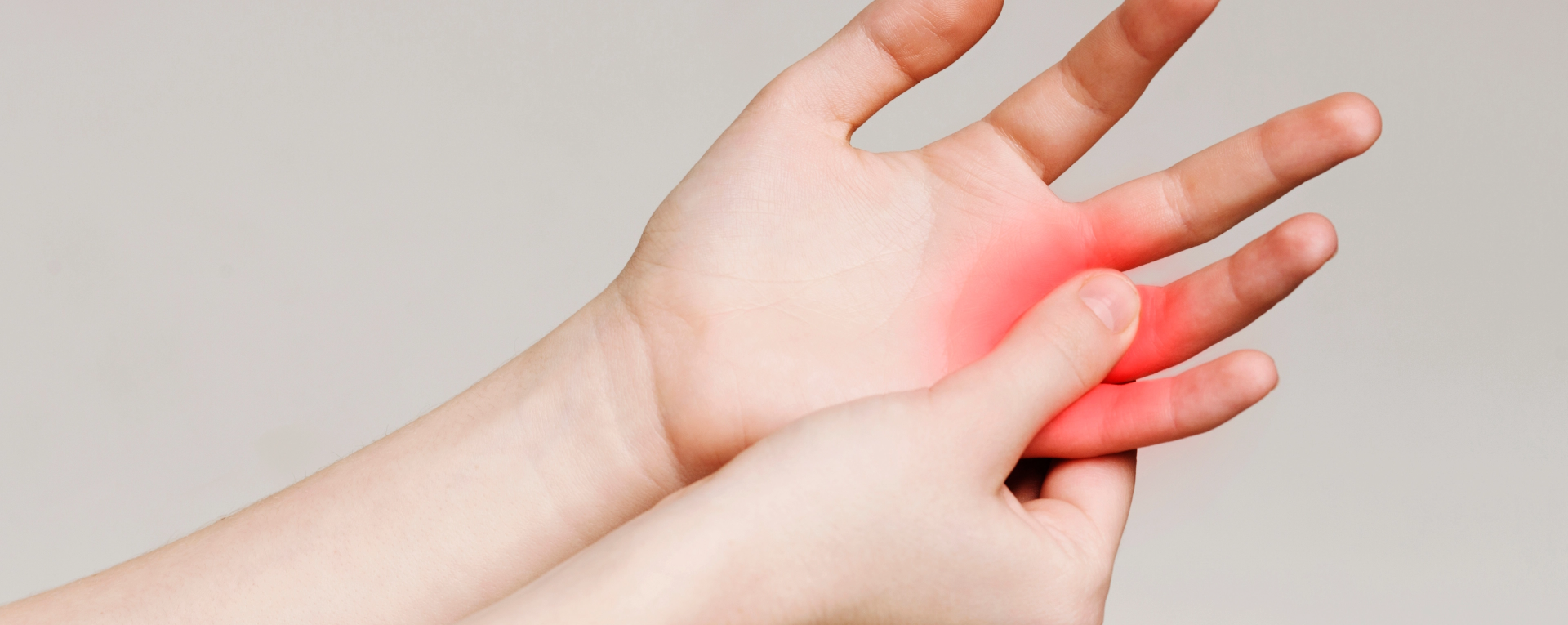
Many people think numbness in the hands and feet is a minor problem, but it may actually be a sign of a condition affecting the nerves, muscles, tendons or spine that needs an accurate diagnosis.
Numbness can feel different from person to person: pins and needles, as if being pricked by tiny needles; a thick, dull sensation; or even a temporary loss of feeling. These symptoms may simply be an early warning from your body to pay more attention to your health.
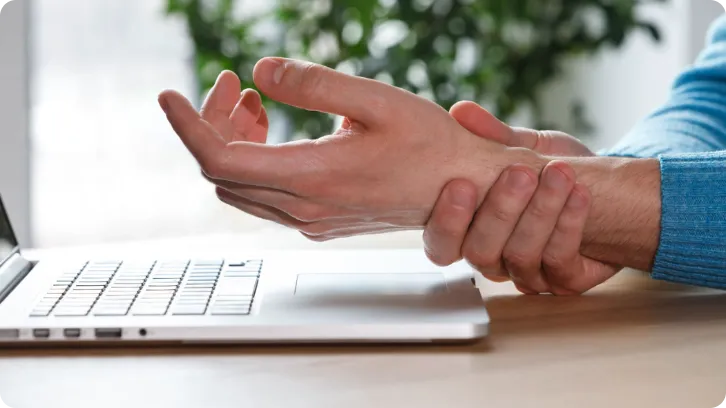
What causes numbness in the hands and feet?
Most numbness is mainly caused by interference with the nerves or the blood circulation. Common causes that often respond to physical therapy include:
1. Nerve entrapment/compression
This is the most common cause, usually due to surrounding structures pressing on a nerve:
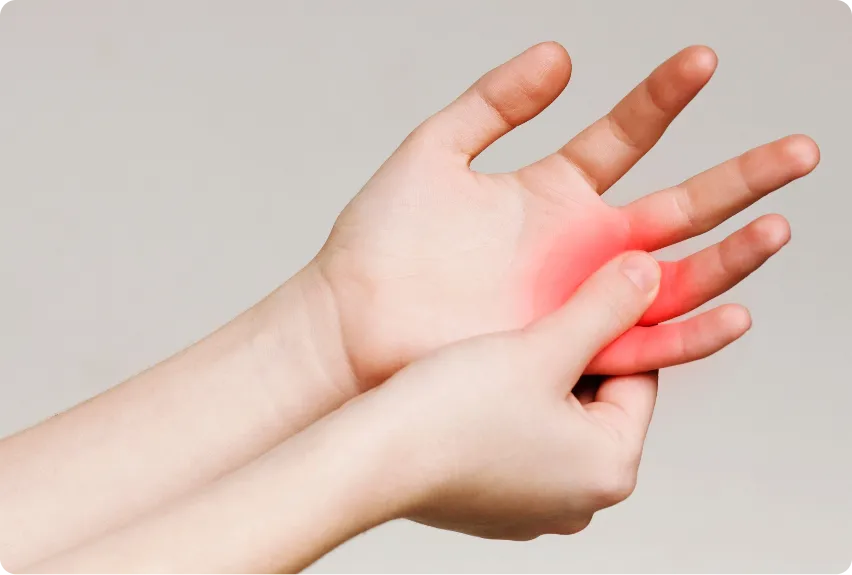
- Carpal tunnel syndrome (CTS): the main cause of numbness in the fingers (especially from the thumb to the ring finger). It occurs when the median nerve is compressed at the wrist, and is common in people who use their wrists repetitively or keep them bent for long periods.
- Nerve compression at the elbow (cubital tunnel syndrome): causes numbness in the little finger and the inner side of the ring finger, due to compression of the ulnar nerve.
- Herniated disc pressing on a nerve: numbness in the hands together with neck pain, or numbness in the feet/legs together with back pain, may be a sign that a disc has shifted and is pressing on a nerve leaving the spinal cord.
2. Poor posture and improper use
- Tight muscles/muscle knots causing compression: very tight muscles (trigger points) can squeeze nearby nerves and cause numbness.
Examples of causes related to tight muscles include:
- Poor sitting posture at work: slouching or staying in the same position for a long time can tighten the muscles and compress the nerves.
- Using a mobile phone for too long: keeping the elbows bent and shoulders raised for long periods can cause tension and nerve compression.
3. Nerve inflammation/damage (neuropathy) Often caused by underlying conditions such as diabetes (diabetic neuropathy) or vitamin deficiencies, which need to be managed alongside targeted rehabilitation.
4. Complications of surgery or accidents
Surgery or accidents such as fractures or dislocations can lead to scar tissue forming nearby. This scar tissue can constrict or press on nerves, leading to chronic numbness. Physical therapy rehabilitation is therefore very important in preventing and breaking down scar tissue.
Pain treatment without medication or surgery
at Rehab Care Clinic
Rehab Care Clinic, a specialist rehabilitation medicine and physical therapy clinic,
is committed to providing high-quality, high-standard care
to give you a stronger body and a better quality of life.
"Dedicated to caring for every kind of pain, with doctors and physical therapists,
modern equipment and service from the heart."
Self-care to reduce numbness in the hands and feet
1. Adjust your posture and take breaks:
- Avoid staying in the same position for long periods, such as sitting cross-legged or bending your wrists while using a mouse/keyboard.
- Rest the affected limb regularly (e.g. every 30–60 minutes) and change position.
2. Apply warmth:
Use a hot pack or a towel soaked in warm water on the numb area, or where the nerve originates, such as the neck, shoulders or lower back, to relax the muscles and increase blood circulation.
3. Gentle stretching exercises:
If your symptoms are mild, try gently moving the affected joints, for example flexing your wrists up and down or rotating your ankles, to encourage nerve movement and reduce adhesions.
4. Avoid triggers:
- Keep underlying conditions under control, such as blood sugar levels for people with diabetes.
- Eat foods containing B vitamins (B-complex), which help nourish the nervous system.
Treatment and rehabilitation of numbness in the hands and feet at Rehab Care Clinic
Our focus is on restoring nerve mobility and reducing compression.
Reducing compression and inflammation
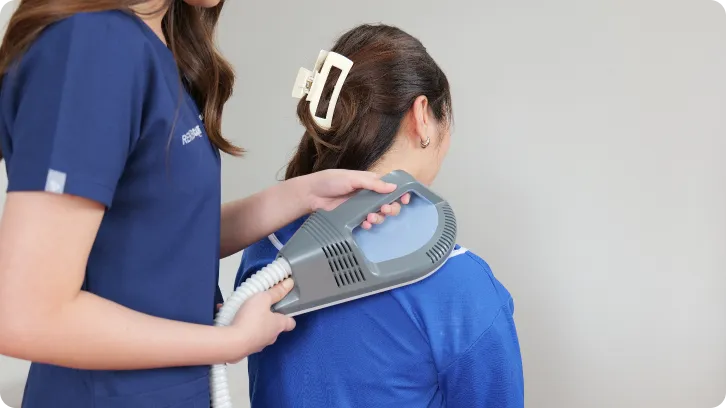
- Modern physical therapy equipment, such as:
- Focused shockwave therapy to stimulate new cell growth, release muscle knots or break down scar tissue constricting the nerves
- Deep-heat ultrasound therapy, peripheral magnetic stimulation (PMS) or high-power laser therapy to reduce inflammation in the tissue around the nerves and speed up the repair process
- Hot/cold compresses: to reduce swelling and increase local blood circulation
Restoring nerve and muscle mobility
Mobilisation or nerve gliding exercises: a specialised technique that helps "glide" or "stretch" the nerves so they can move freely without being stuck or compressed, clearly helping to reduce numbness.
Stretching and trigger point release: the physical therapist will help stretch tight muscles in the neck, shoulders, arms, wrists, back and legs, where compression commonly occurs.
Posture correction and strengthening exercise
Posture and habit correction: the physical therapist will advise you on your posture at work, in daily life and while sleeping to prevent the nerves from being compressed again. Individual exercise: focuses on strengthening the muscles around the affected joints to support them and reduce the load on the nerves.
Medical treatment combined with physical therapy
For chronic cases or slow recovery, treatment may be supplemented with specialist treatments such as:
Dry needling to release muscle knots: releases the muscle knots (trigger points) that directly cause nerve compression and rebalances the nervous system to relieve numbness.
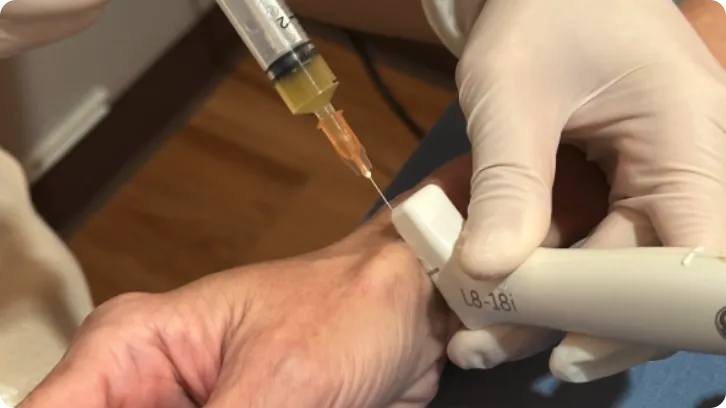
Regenerative therapy injections for example prolotherapy (concentrated glucose) or concentrated plasma (PRP) injections, using ultrasound guidance (US-guided injection with prolotherapy), to speed up the repair of tissue, tendons and structures damaged by chronic injury, which are often the source of long-term compression.
Medication and vitamin supplements (prescribed by a doctor) : where necessary, medication to reduce nerve pain or vitamin B-complex to nourish and restore damaged nerves may be prescribed alongside physical therapy.
Pain treatment without medication or surgery
at Rehab Care Clinic
Rehab Care Clinic, a specialist rehabilitation medicine and physical therapy clinic,
is committed to providing high-quality, high-standard care
to give you a stronger body and a better quality of life.
"Dedicated to caring for every kind of pain, with doctors and physical therapists,
modern equipment and service from the heart."
When "should" you see a doctor?
Don't let mild numbness become a chronic problem that affects your daily life. If you have any of the following symptoms, you should consult a doctor or physical therapist:
- Frequent numbness, or numbness lasting more than 2 weeks
- Disturbed sleep, waking at night because of numbness in the hands or feet
- Numbness that gets worse with certain repetitive activities
- You start to notice weakness or often drop things
- Muscles start to waste away, or you cannot fully raise your arm/leg
- Numbness starts to spread to other areas, such as from the hand up to the arm
Don't let numbness turn into muscle weakness
If you have the symptoms described above and leave the numbness to become chronic, it may lead to muscle weakness.
At Rehab Care Clinic, our rehabilitation physicians and physical therapists work together to design individual treatment programmes. Book an appointment for a consultation and a personalised treatment plan, so you can get back to life with confidence and a better quality of life.
Pain treatment without drugs or surgery at Rehab Care Clinic
Pain treatment without drugs or surgery
at Rehab Care Clinic
Rehab Care Clinic is a specialist rehabilitation medicine and physical therapy clinic dedicated to high-quality, high-standard care, helping you to a stronger body and a better quality of life.
Contact a branch
-
Phetkasem
-
Rama 2
-
Muang Thong Thani
-
Ratchada
-
Sathorn
- Journal of Orthopaedic & Sports Physical Therapy (JOSPT). (2022). Postoperative Rehabilitation Guidelines: Evidence-Based Clinical Practice.
- Royal College of Physiotherapists. (2021). Postoperative Rehabilitation Standards and Guidance.
- Royal College of Physiotherapists. (2021). Postoperative Rehabilitation Standards and Guidance.
- Kisner, C., & Colby, L. A. (2021). Therapeutic Exercise: Foundations and Techniques (7th ed.). F.A. Davis Company.
- Lieberman, J. R., & Pensak, M. J. (2020). Rehabilitation after total knee arthroplasty: A practical guide for the orthopedic surgeon. The Journal of Bone and Joint Surgery, 102(23), 2056-2062.
- American Physical Therapy Association (APTA). Guide to Physical Therapist Practice 3.0 (2020).
- Prentice, W. E. (2020). Rehabilitation Techniques for Sports Medicine and Athletic Training (7th ed.). Human Kinetics.
- Mahidol University (Rama Channel). (2020). Joint stiffness after bone and joint surgery [Online].
- Hunter, G. R., & Wetzstein, C. J. (2000). Postoperative rehabilitation of the knee. Physical Therapy, 80(7), 681-687.