
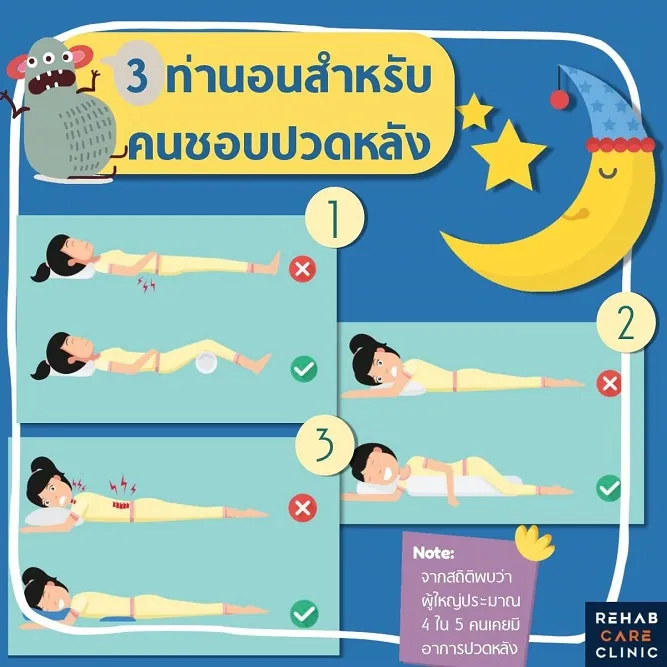
3 sleeping positions for people with back pain
Back pain whatever position you lie or sit in: what should you do?
Back pain causes many people problems with work and everyday activities, even sitting or lying down. Today we will recommend some postures to prevent and relieve the pain.
1. Sitting position
To prevent back pain when sitting, sit with your bottom fully on the chair and your back straight against the backrest, with a small cushion supporting your lower back. Bend your knees at a right angle with both feet flat on the floor. Distribute your body weight evenly over both buttocks and hips, and do not lean to one side, as this puts your weight on one side and tilts the spine, which can cause back pain. Most importantly, change position often and do not sit for long periods without a break.
2. Sleeping positions
- Lying on your back: lie on your back with a small pillow under your knees so that your hips are slightly bent. This helps reduce arching of the lower back and prevents the back muscles from tensing up and becoming painful.
- Lying on your side: lie on either side with the lower leg straight and the upper leg slightly bent at the knee and hip, resting on a bolster; or place a bolster between your legs with both knees and hips bent, keeping your back straight. This position keeps the spine aligned, helping to prevent pain and reduce pressure on the discs.
- Lying face down: this position is suitable for people with back pain from a herniated disc. To start with, if lying face down increases the pain, place 1–2 pillows under your stomach so that the lumbar spine is slightly flexed, reducing pressure on the nerves. Stay lying face down until the back pain eases, then gradually reduce the number of pillows until you can lie flat on the floor. This position can help the herniated disc gradually move back into place with the help of gravity, which helps reduce pain radiating down the leg.
Physical therapy at Rehab Care Clinic uses a device called focused shockwave therapy to relax tight, painful back muscles and stimulate the body's repair processes, and high-power laser therapy to reduce inflammation of the nerve roots in the back in people with back pain radiating down the leg. This is combined with strengthening exercises and stretches to increase the flexibility of all the muscles involved, so that the problem does not come back.
If the pain does not ease, or it affects your daily life, do not let it become chronic, as it may be back pain caused by a herniated disc or spinal degeneration. You should see a doctor and a physical therapist promptly for an assessment and appropriate treatment.

Information provided by
Dr. Apiporn Garnjanagoonchorn (Dr. Ann)
Rehabilitation physician