
8 warning signs: which kinds of back pain need prompt medical attention
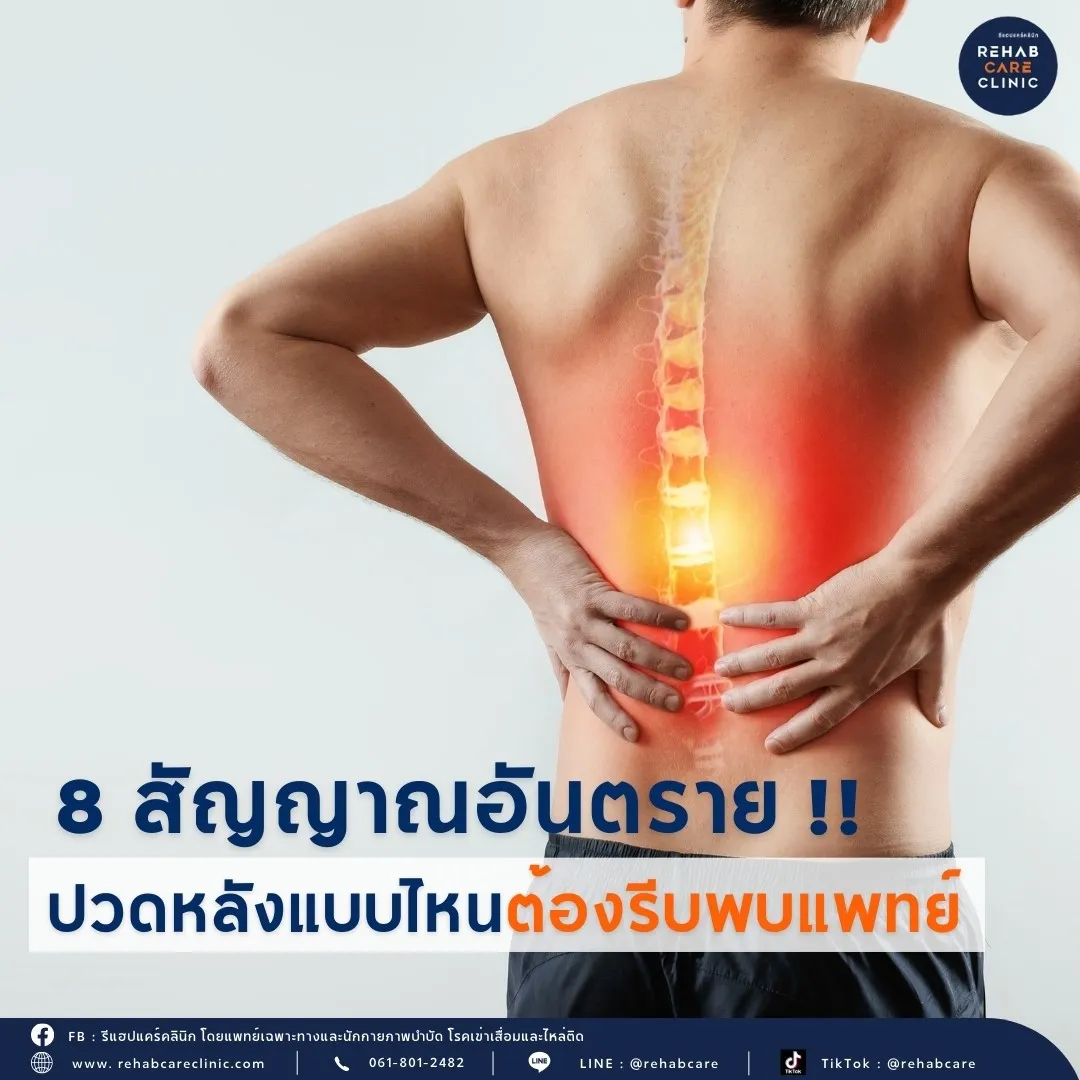
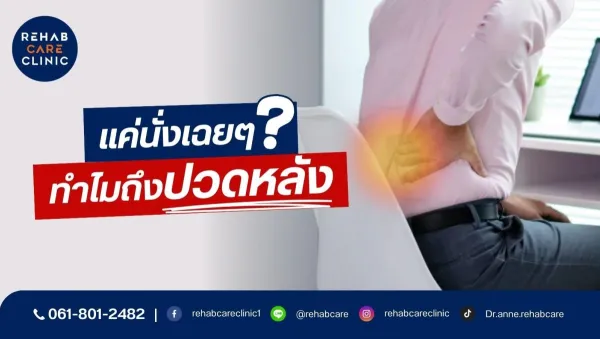
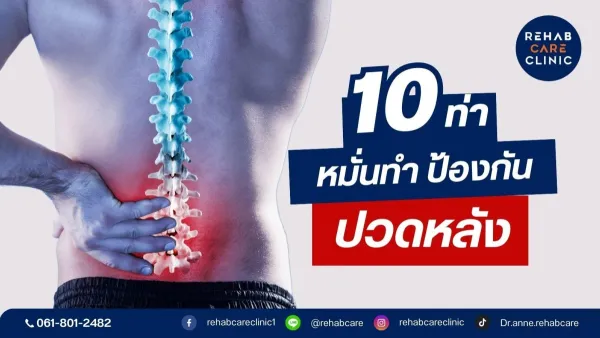
Back pain is a symptom found in people of all genders and ages. The pain may stay in one place or radiate down the leg, there may be numbness, and in severe cases there may also be weakness. Some people with mild symptoms recover on their own, but many need to see a doctor and receive treatment, depending on the cause of the back pain.
Causes of back pain
1. Degeneration: caused by age-related degeneration of the spinal discs, leading to back pain and possibly nerve compression. It is found in people aged 40 and over.
2. Overuse or excessive load: common among working-age people who repeatedly use the same posture for long periods, such as sitting for a long time or bending to lift heavy objects.
3. Accidents or sports injuries
Which kinds of back pain need prompt medical attention?
1. Sudden, severe back pain that prevents you from carrying out daily activities
2. Back pain lasting longer than 2 weeks
3. Severe pain that does not improve with rest or painkillers and interferes with daily life
4. Pain radiating to the hip, down the leg or to the foot, on one or both sides
5. Abnormal sensations, such as numbness or burning in the legs or feet
6. Inability to sit, stand or walk for long because of radiating pain
7. Back pain after an accident or sports injury
8. Weakness in the legs or feet
Detecting the condition early, while the symptoms are not yet severe, makes treatment easier to plan. If you are worried about surgery, the recommended treatment is physical therapy, which focuses on relieving pain, restoring the patient's physical condition and strength so they can carry out daily activities, and preventing recurrence.
Rehab Care Clinic has a comprehensive range of targeted equipment to reduce back pain, whether it is caused by the muscles, by compression or irritation of the nerves, by spinal degeneration, or by a herniated disc compressing a nerve. The equipment used to reduce pain includes:
1. Focused shockwave therapy Deep shockwaves that help release knots in the deep lower back muscle (the QL or quadratus lumborum), which can cause pain radiating to the hip.
2. High-power laser therapy Light energy that specifically helps reduce inflammation of muscles, tendons and nerves. With a wavelength of 1064 nm, the laser can deliver light energy deep to the compressed nerve root to reduce nerve root inflammation, and can also deliver light energy to the legs and feet where there is numbness and burning
to reduce pain from inflammation of the nerve endings.
3. Peripheral magnetic stimulation (PMS) This makes the muscles in the painful area contract and relax, increasing blood circulation. The electromagnetic waves can stimulate as deep as the nerve roots, helping to speed up the recovery of nerves injured by compression. Importantly, it helps restore impaired nerve function by stimulating
changes in abnormal nerve sensations, such as burning and numbness in the hands, feet and legs, so that they return to normal.
4. Hydrotherapy A treatment that uses the properties of water to rehabilitate the body, reduce pain and strengthen muscles such as the core, back, buttock and leg muscles, safely and with many times less risk of injury than on land. Sports scientists who specialise in treating injuries work together with rehabilitation physicians and the physical therapy team to restore muscle strength and reduce the chance of re-injury. Hydrotherapy is suitable for people of all genders and ages, especially older people with back pain, people with chronic pain, people with balance problems, people recovering after surgery, and people with sports injuries.
Another important factor is changing your habits: be careful with postures that trigger pain, exercise to increase muscle strength and flexibility, and apply a warm compress with an electric heat pad to the painful area. This can quickly improve the pain and greatly reduce the chance of it coming back.

Information provided by
Dr. Apiporn Garnjanagoonchorn (Dr. Ann)
Rehabilitation physician