
Achilles tendon pain when walking or running: what is causing it?

What is the Achilles tendon?
The Achilles tendon is the largest, thickest and strongest tendon in the body. It connects the calf muscles at the back of the leg to the heel bone (Calcaneus) and plays a role in walking, running and moving the ankle up and down. If the tendon becomes very tight, it can become inflamed.
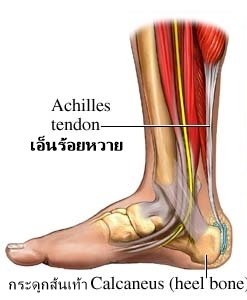
Achilles tendon injuries are divided into two types, depending on which part of the tendon is injured
1. Non-insertional Achilles tendinitis (Noninsertional Achilles Tendon) occurs when the fibres in the middle portion of the tendon begin to degenerate or become injured, causing swelling and thickening of the tendon. It usually affects younger people or those who are very active, for example walking and running.
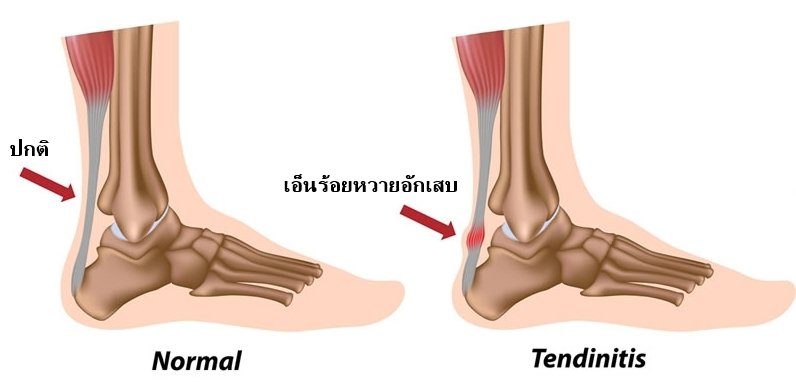
2. Insertional Achilles tendinitis (Insertional Achilles Tendon) is inflammation of the Achilles tendon where it attaches to the heel bone (Calcaneus).
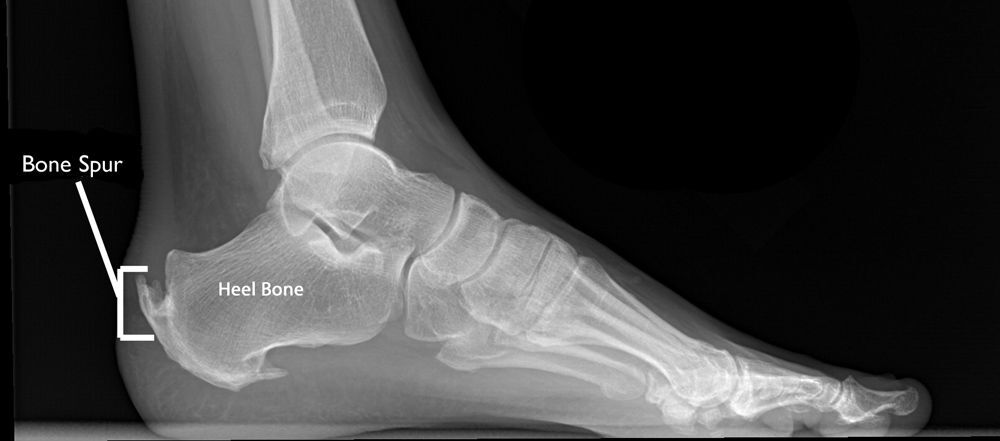
Both types of Achilles tendinitis can lead to calcium deposits (bone spurs) forming on the heel bone, but this is more common with insertional Achilles tendinitis.
Causes of Achilles tendinitis
- Heavy, repetitive use of the Achilles tendon, which can make it stiff and inflamed
- Exercising too hard or too much without preparing the body, so the Achilles tendon lacks flexibility
- Tight calf muscles, which can put stress on the Achilles tendon and cause inflammation
- A bone spur on the heel bone, which rubs against the Achilles tendon and can cause pain and inflammation
- Accidents during sports that involve fast movements, which can cause the Achilles tendon to tear
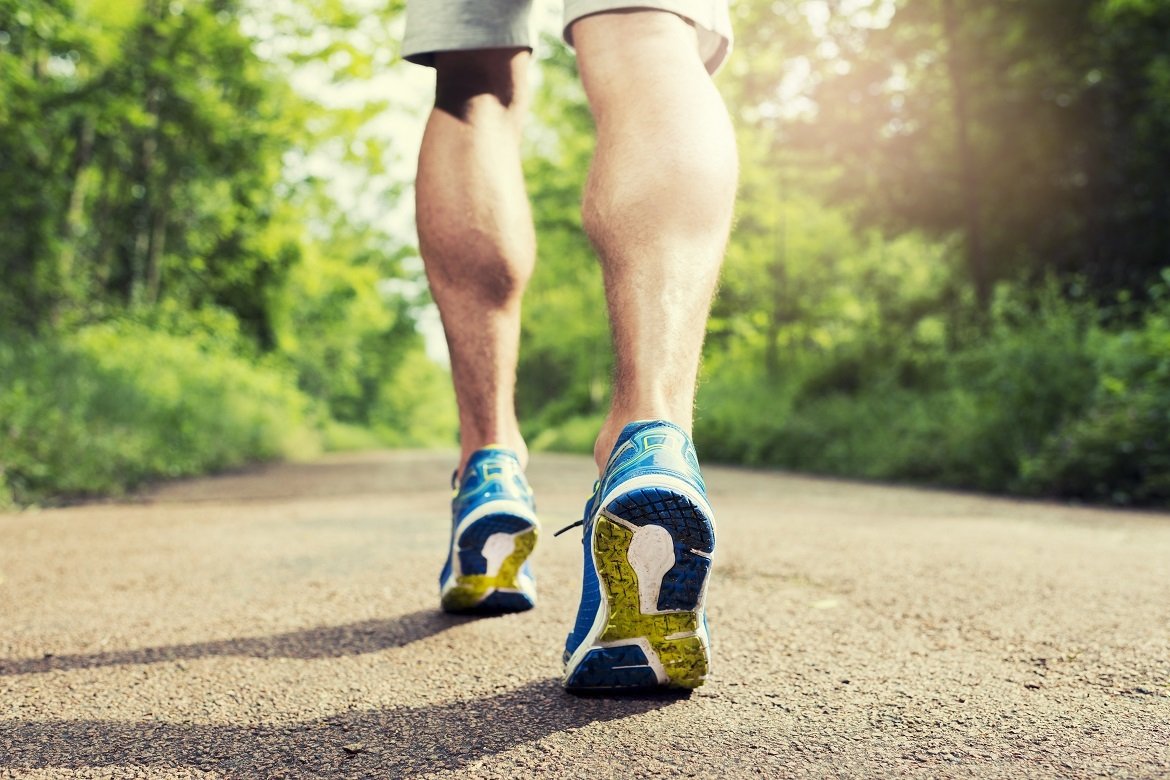
Symptoms of Achilles tendinitis
- Pain, inflammation, swelling and redness around the Achilles tendon; the pain may spread to the calf muscles
- Pain and stiffness in the Achilles tendon in the morning
- Pain along the Achilles tendon or at the back of the heel that gets worse with activities such as walking and running
- Severe pain during exercise that continues to worsen even after stopping exercise
- Tenderness when pressing on the Achilles tendon
- Lumps or nodules that can be felt along the Achilles tendon
- If you hear a loud "pop" at the back of the calf or heel, the Achilles tendon may have torn
You can contact Rehab Care Clinic to consult our rehabilitation physicians and physical therapists about your health concerns.
For more information, contact "Rehab Care Clinic"
Address: 423 Phetkasem Road, Bang Wa, Phasi Charoen, Bangkok (inside Kanari Sports Center, before Seacon Bang Khae) ? 061-801-2482 Line ID : @rehabcare

Information provided by
Dr. Apiporn Garnjanagoonchorn (Dr. Ann)
Rehabilitation physician