Cervical spondylosis: symptoms that go beyond neck pain
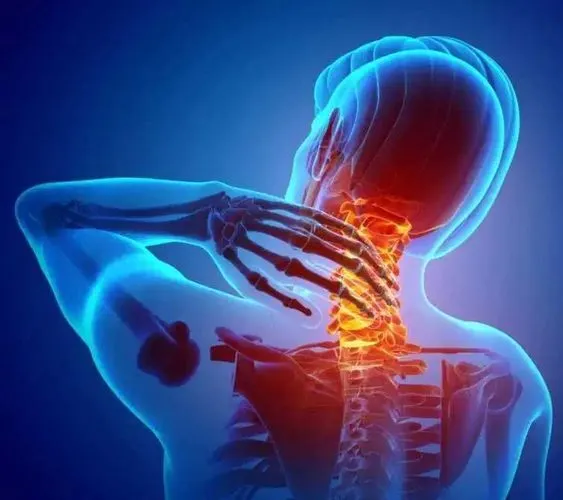
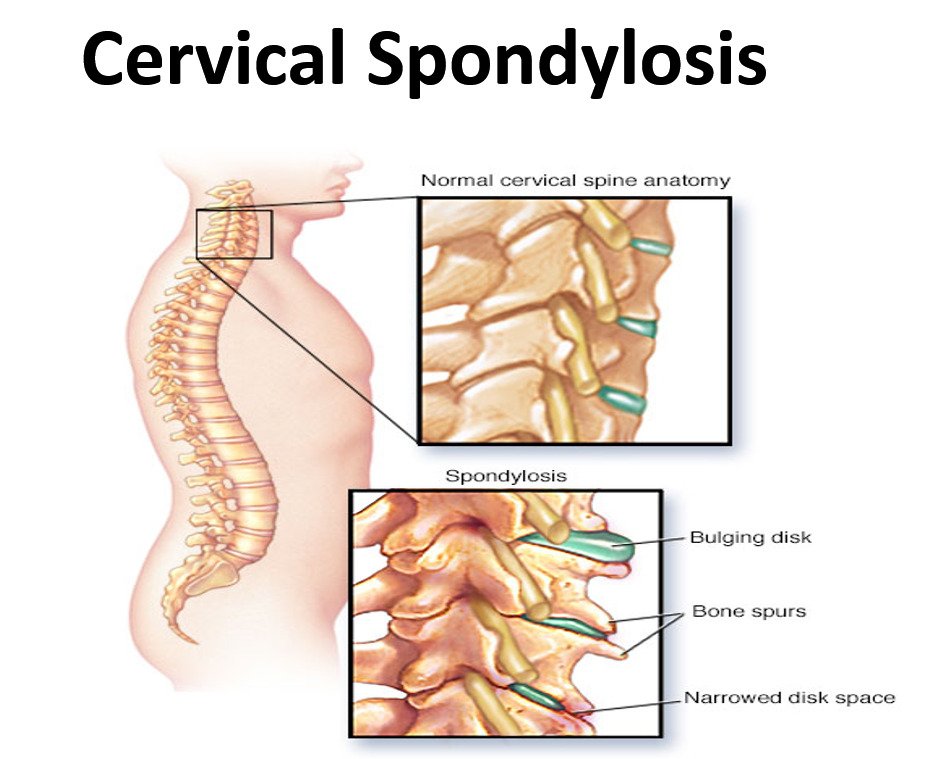
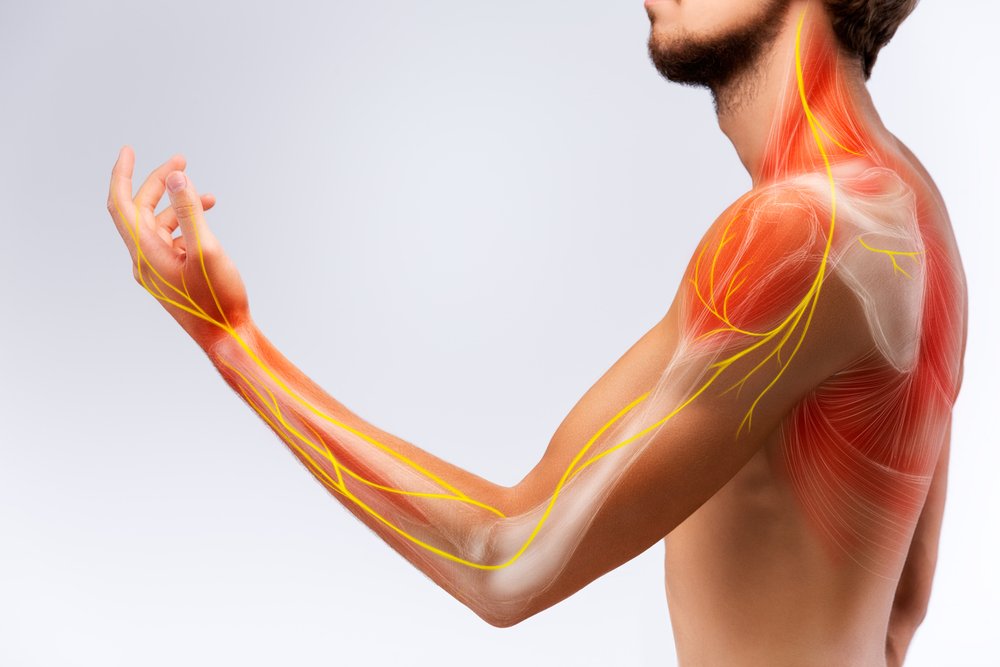
Cervical spondylosis is one of the most common conditions today. The main cause is that, as we age, the structure of the joints changes. For example, the intervertebral discs in the neck degenerate and the cervical discs collapse, so the bones rub against each other. The body responds by forming bone spurs (osteophytes). If these bone spurs project backwards, they can narrow the canal through which the nerves pass until they crowd or compress the spinal cord. If they project to the side, they can compress the nerve roots.
Symptoms
- If a nerve root is compressed, there will be pain, numbness or weakness of the hand muscles.
- If the spinal cord is compressed, there may also be loss of balance and difficulty walking.
Causes
1. Age over 40
2. Frequently bending the head forward, tilting it back or turning the neck
3. Staying in poor postures for long periods, e.g. work that regularly requires looking up for long periods
4. Accidents involving a direct impact to the spine
5. Contact sports with frequent impacts or collisions, such as American football, or holding yoga headstands for long periods
Treatment of cervical spondylosis
1. Non-surgical treatment
- Medication to reduce inflammation and relax the muscles
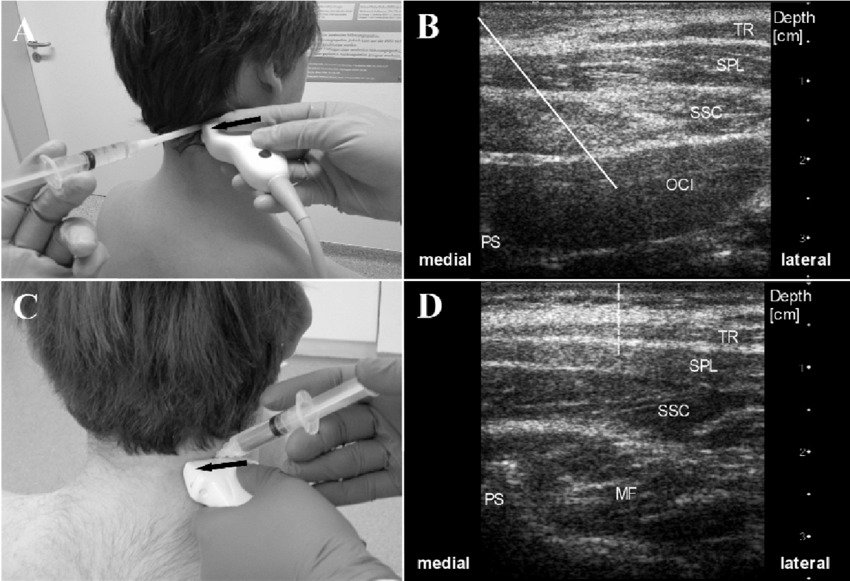
- Injection (prolotherapy injection): glucose is injected into the injured or inflamed muscle area to stimulate repair and accelerate the body's natural healing and recovery process. The injection is guided by ultrasound, which makes it safer and more accurate and reduces the risk of hitting a nerve.
- Physical therapy such as:
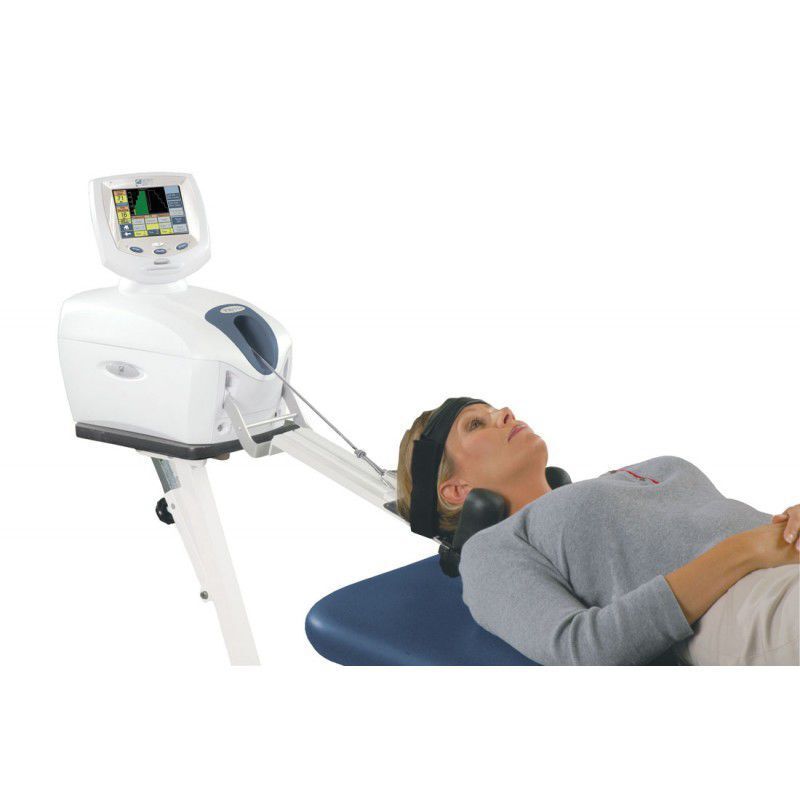
- Cervical traction – the main aim is to reduce nerve compression in cases where the spinal joints have narrowed.
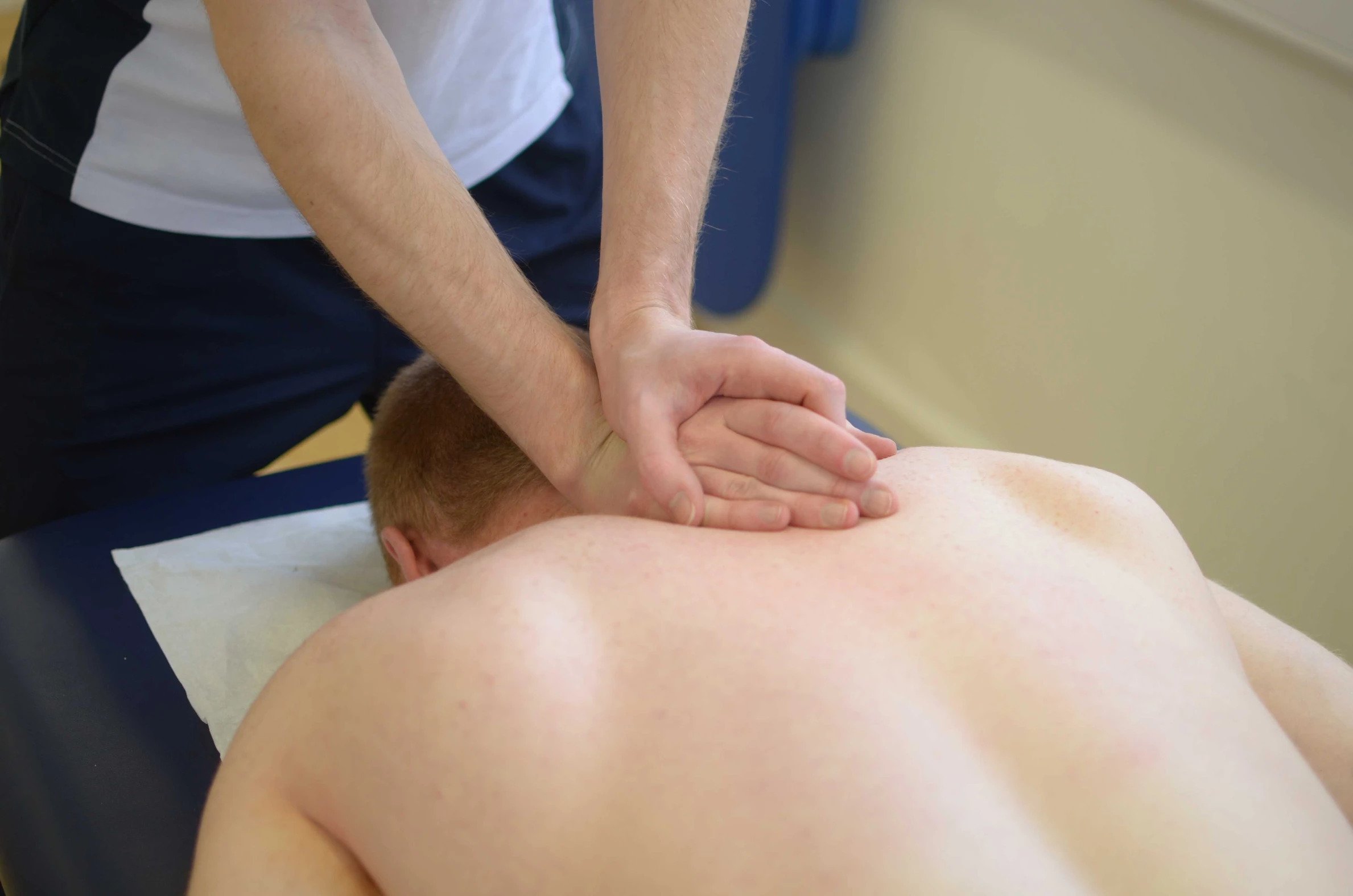
- Joint mobilisation – performed by the physical therapist's hands to help the joints move better and also reduce pain.
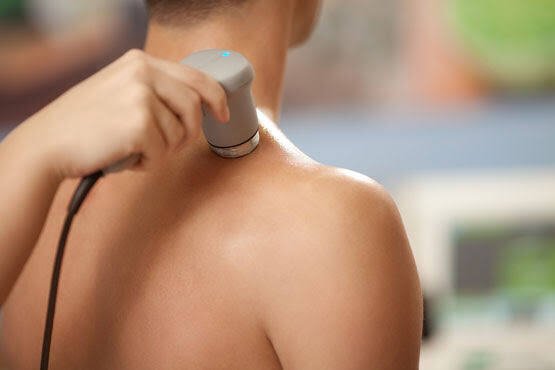
- Therapeutic ultrasound – helps accelerate tissue repair by increasing blood circulation, bringing oxygen and nutrients, the energy sources used in the repair process, to these tissues. You will notice the difference immediately after treatment.
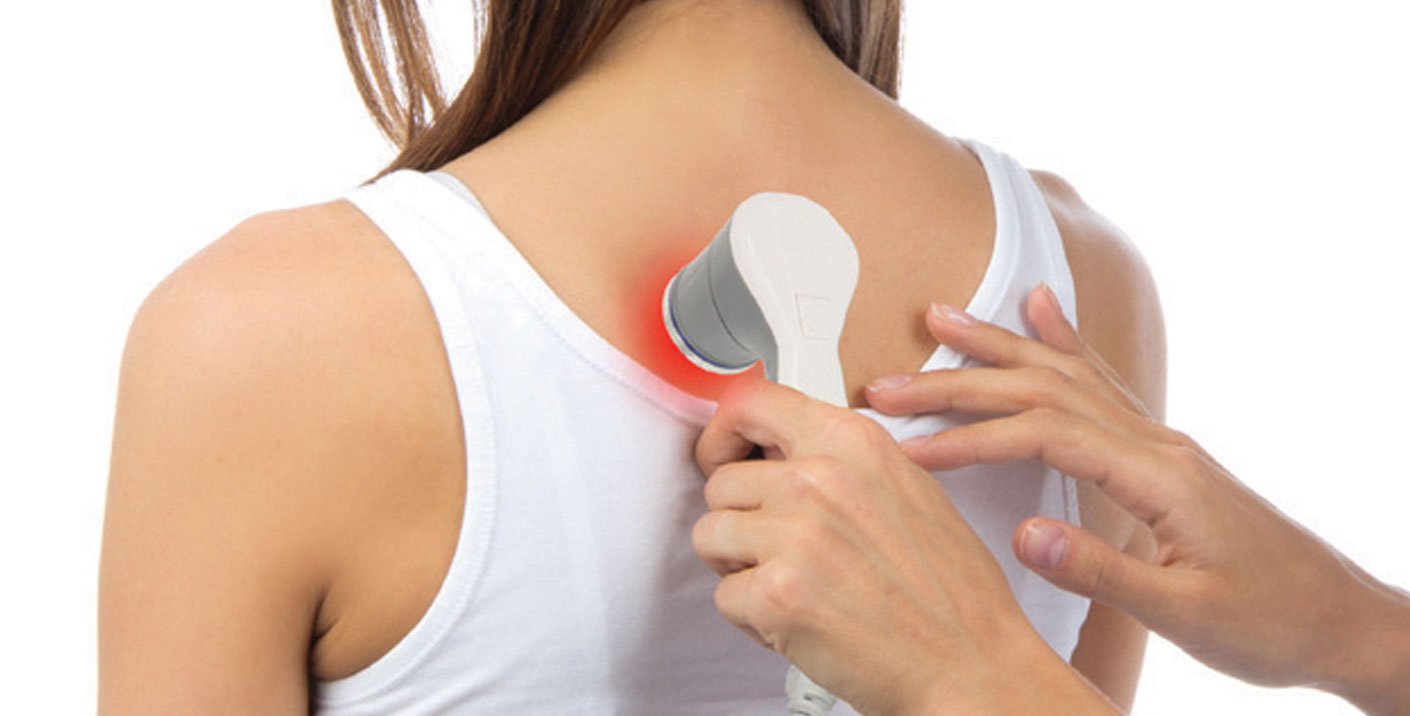
- High-power laser therapy – helps accelerate tissue repair and reduce pain by stimulating the mitochondria, the energy source within tissue cells, to work efficiently so the tissue repairs itself faster. It is well suited to tissues with a poor fluid or blood supply, such as the body's ligaments and tendons.
2. Surgical treatment
Indications:
- Patients whose neurological function is progressively deteriorating
- Increasing loss of spinal cord function found on examination
- Non-surgical treatment has not worked and symptoms have lasted more than 6 months
How to prevent and slow cervical spondylosis
1. Move and change position every hour; do not sit hunched over a computer or use your mobile phone for long periods.

2. Exercise the neck muscles regularly to strengthen the muscles around the neck.
3. Avoid frequently twisting or flicking the neck.
4. If your neck pain is severe, you can wear a neck brace occasionally. In general, it is not recommended to wear one for more than 1 week, because wearing it for too long can lead to muscle weakness as the neck muscles are not being moved.

Neck and shoulder exercises to prevent or slow spinal degeneration
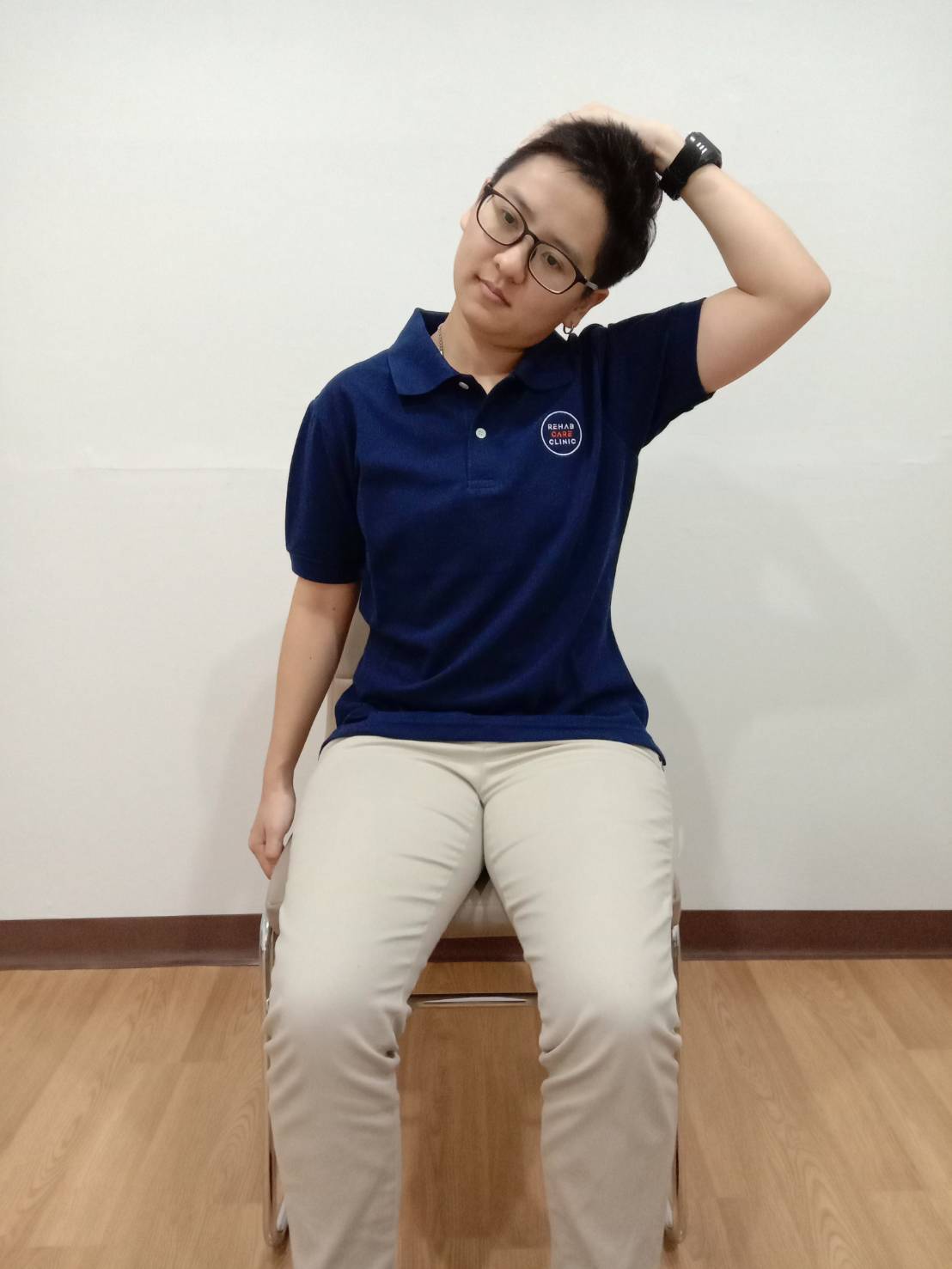
1. Tilt your head to the left and use your left hand to press it down gently, holding the edge of the chair with your other hand, until you feel a stretch but no pain. Hold for 15 seconds and repeat 3–5 times. Then switch sides.
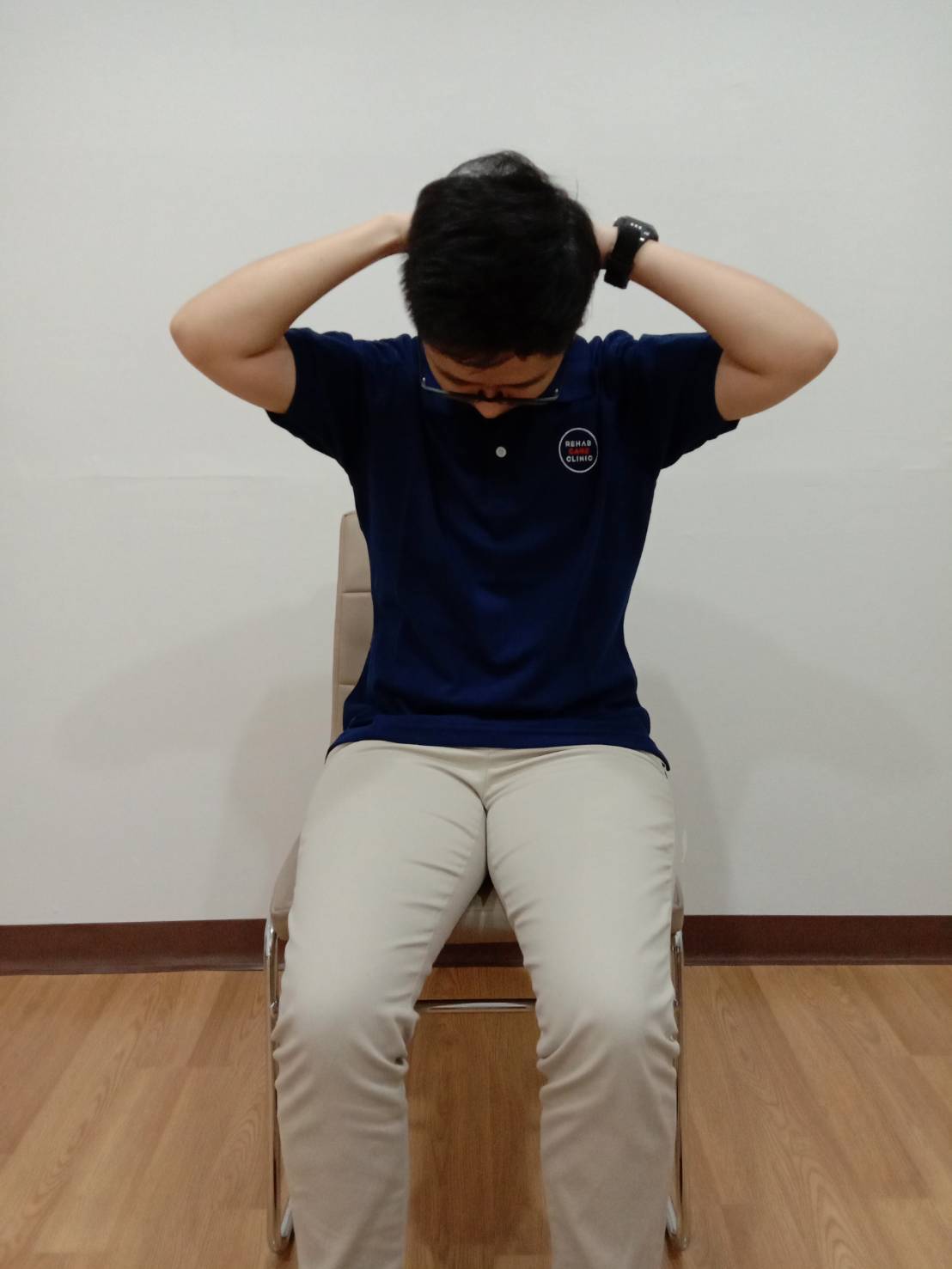
2. Sit up straight with your hands clasped behind your head. Bend your head forward and press it down gently until you feel a stretch but no pain. Hold for 15 seconds and repeat 3–5 times.
3. Stand up straight with your neck in its normal upright position. Clasp your palms behind the back of your head and push (only slightly) while resisting with your head so it stays still. Hold for a count of 1–15 per repetition, doing 8–10 repetitions per set for 3 sets.
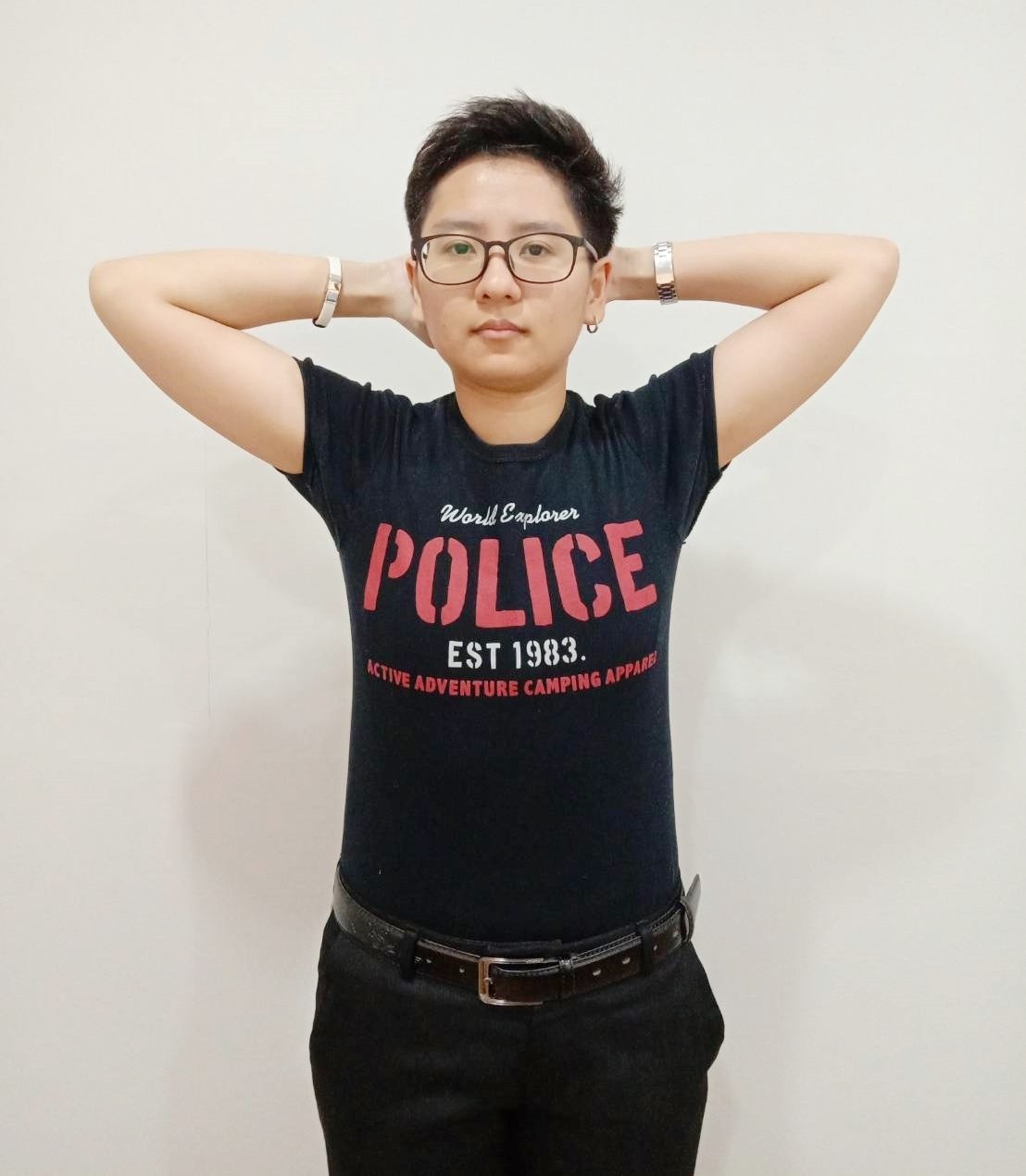
4. Stand up straight with your neck in its normal upright position. Clasp your palms on your forehead and push (only slightly) while resisting with your head so it stays still. Hold for a count of 1–15 per repetition, doing 8–10 repetitions per set for 3 sets.
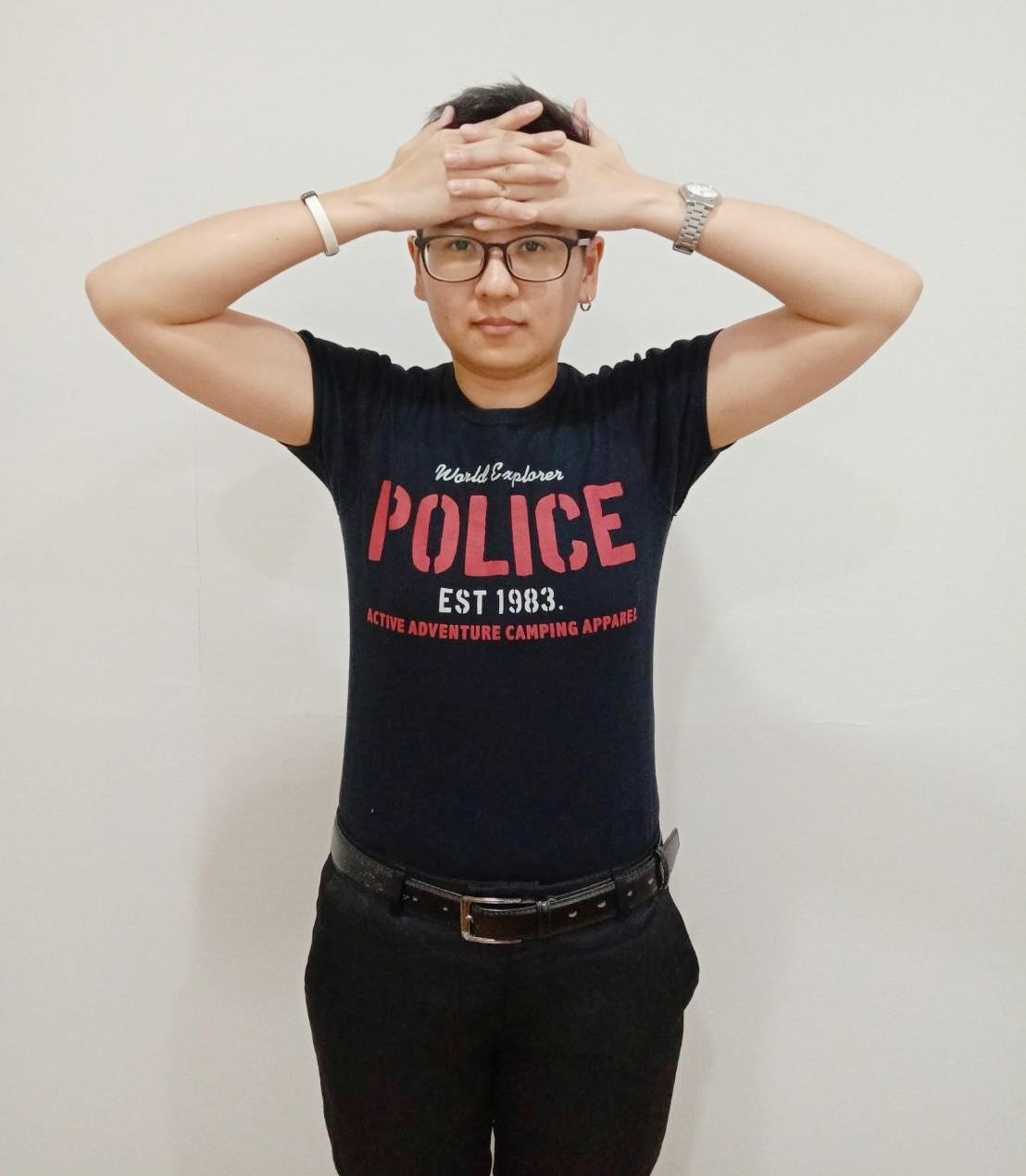
5. Stand up straight with your neck in its normal upright position. Place your palm against the side of your face as shown in the picture and push (only slightly) while resisting with your head so it stays still. Hold for a count of 1–15 per repetition, doing 8–10 repetitions per set for 3 sets, then switch sides.
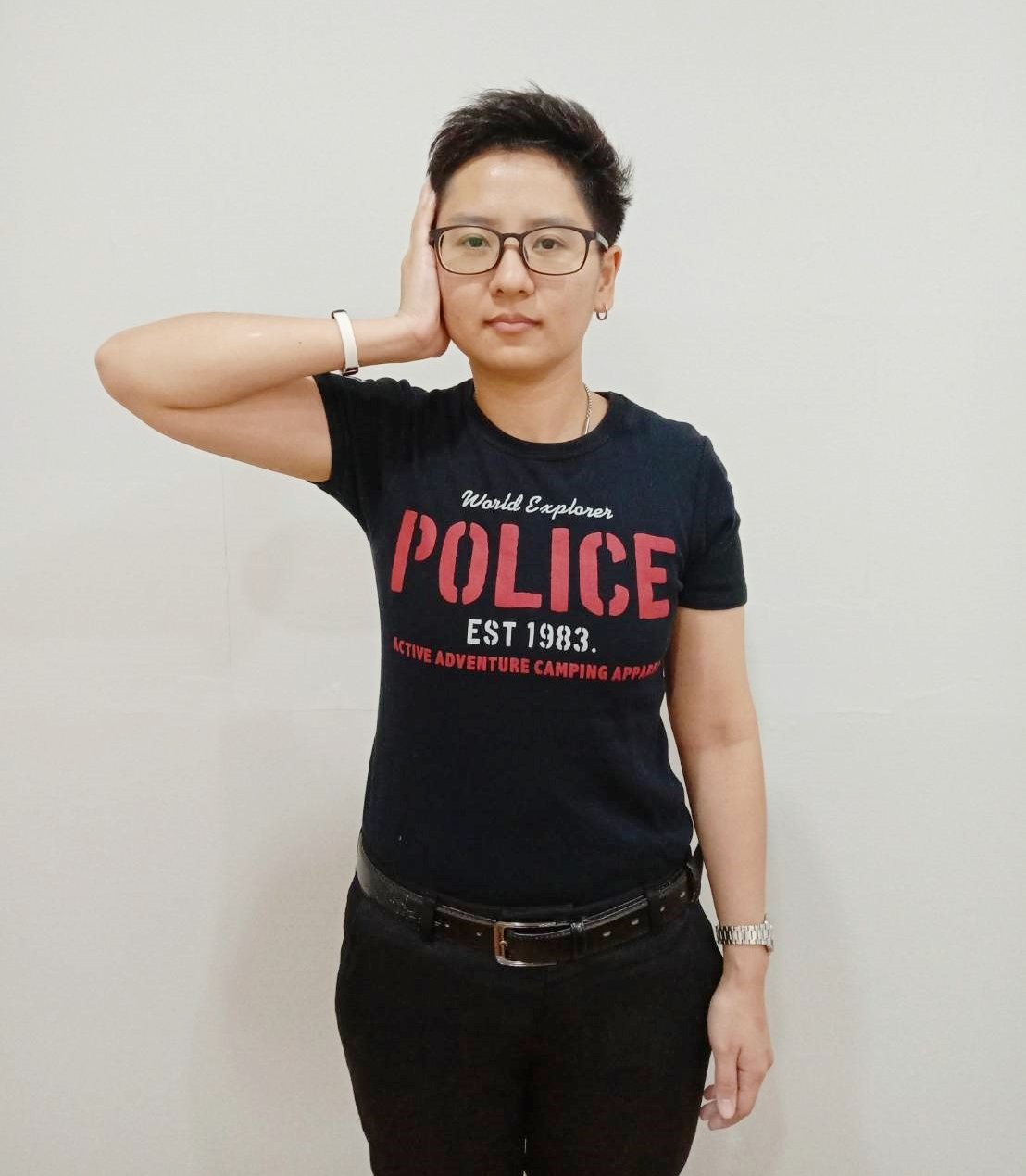
We treat conditions of the muscles, joints, tendons and nerves, with a team of rehabilitation medicine specialists working together with a team of physical therapists to care for patients.
- Ultrasound examination to detect abnormalities for an accurate diagnosis
- Chinese acupuncture and Western dry needling
- Ultrasound-guided injections
- Modern physical therapy equipment
- With a focus on non-surgical treatment
For more information, contact "Rehab Care Clinic"
Address: 423 Phetkasem Road, Bang Wa, Phasi Charoen, Bangkok (inside Kanari Sports Center, before Seacon Bang Khae) ? 061-801-2482 Line ID : @rehabcare

Information provided by
Dr. Apiporn Garnjanagoonchorn (Dr. Ann)
Rehabilitation physician