

Computer work, using a mouse and lots of writing can cause hand numbness

Carpal tunnel syndrome, in which a nerve is compressed at the wrist, is one of the conditions that make up office syndrome. It is a common condition among working-age people whose jobs involve sitting at a computer, or performing the same repetitive movements continuously for many hours a day, or working in a poor posture for long periods.
Symptoms
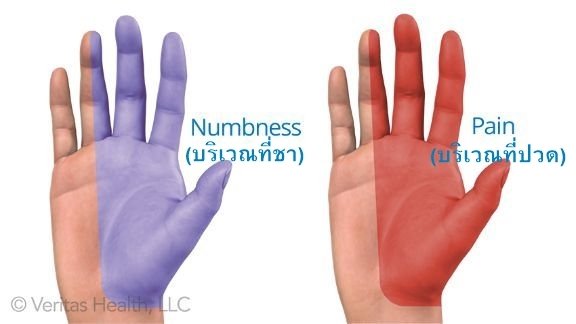
- Pain and numbness in the palm and fingers, especially the thumb, index finger, middle finger and half of the ring finger. It may feel like an electric shock.
- Pain that is worse at night or on waking in the morning
- Hands that tire easily when typing, writing, holding a mobile phone, reading or driving
- Pain and numbness that ease when you shake out your wrist
- Over time, the hand muscles become weak and wasted, and sensation in the hand decreases.
Causes
- Genetics: people with small wrists, such as women, are at higher risk of compression of the median nerve.
- Structural abnormalities, such as a fractured or dislocated wrist, which may compress the median nerve
- Improper use of the hands and wrists: repeating the same hand and wrist movements continuously for long periods, using a computer, and repeatedly bending the wrist
- Nerve damage from chronic disease: people with diabetes who have nerve damage in the hands are at high risk of carpal tunnel syndrome.
- Inflammation of the tissues around the wrist, such as wrist arthritis, which affects the lining around the wrist tendons and may compress the median nerve
- Obesity, another risk factor that can cause the nerve at the wrist to be squeezed or compressed, leading to carpal tunnel syndrome
- Fluid retention caused by hormonal changes during pregnancy or menopause, which can compress the median nerve
- Other conditions, such as hypothyroidism, pituitary gland disorders and kidney failure
Diagnosing carpal tunnel syndrome
The doctor will make a diagnosis by taking your medical history to rule out other causes, along with a physical examination and other tests at the doctor's discretion, as follows.
1. Provocation tests
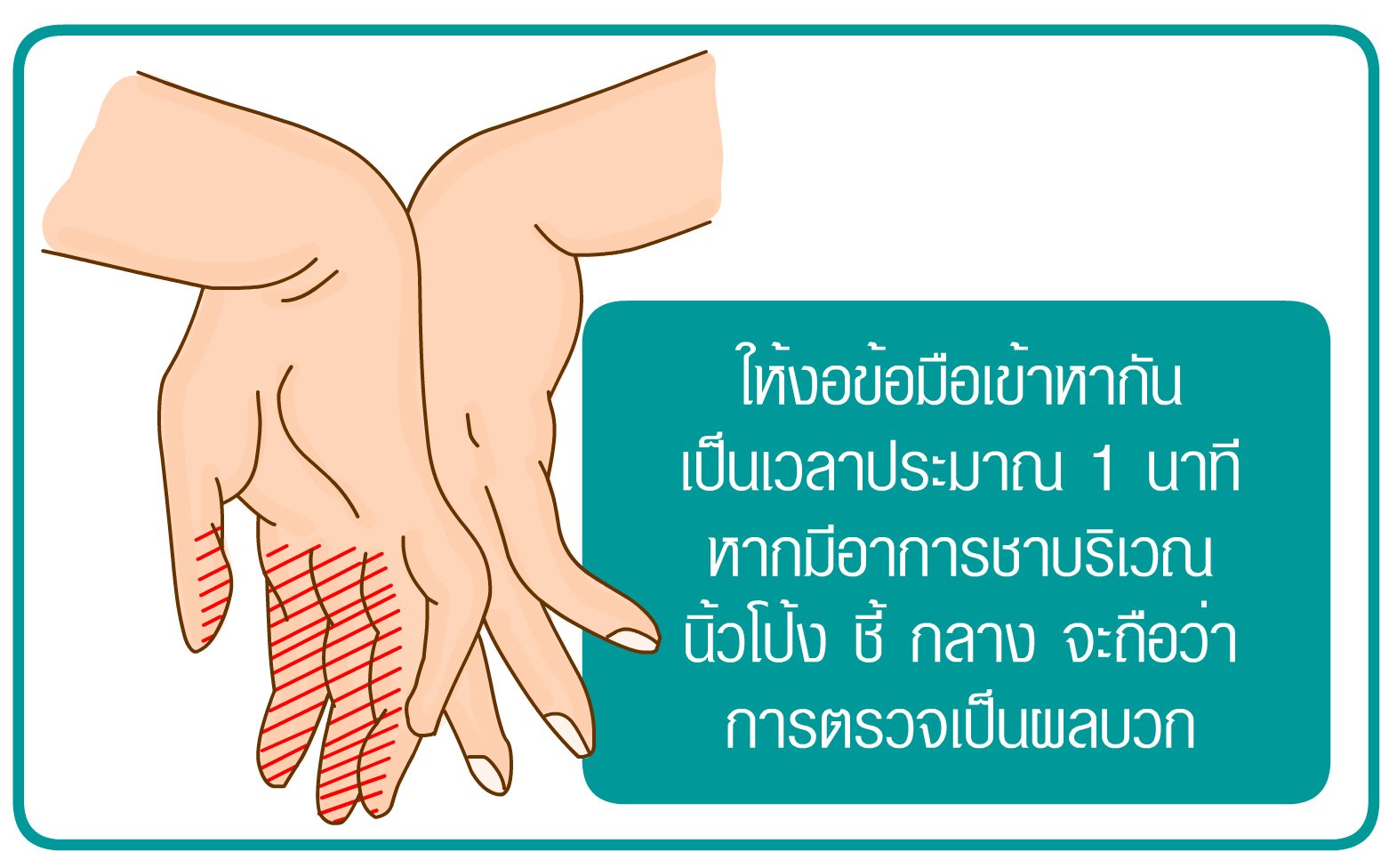
1.1 Phalen’s test: the patient rests their elbows on a table and holds the wrists in full flexion for about 1 minute. If numbness appears along the median nerve distribution, the result is positive.
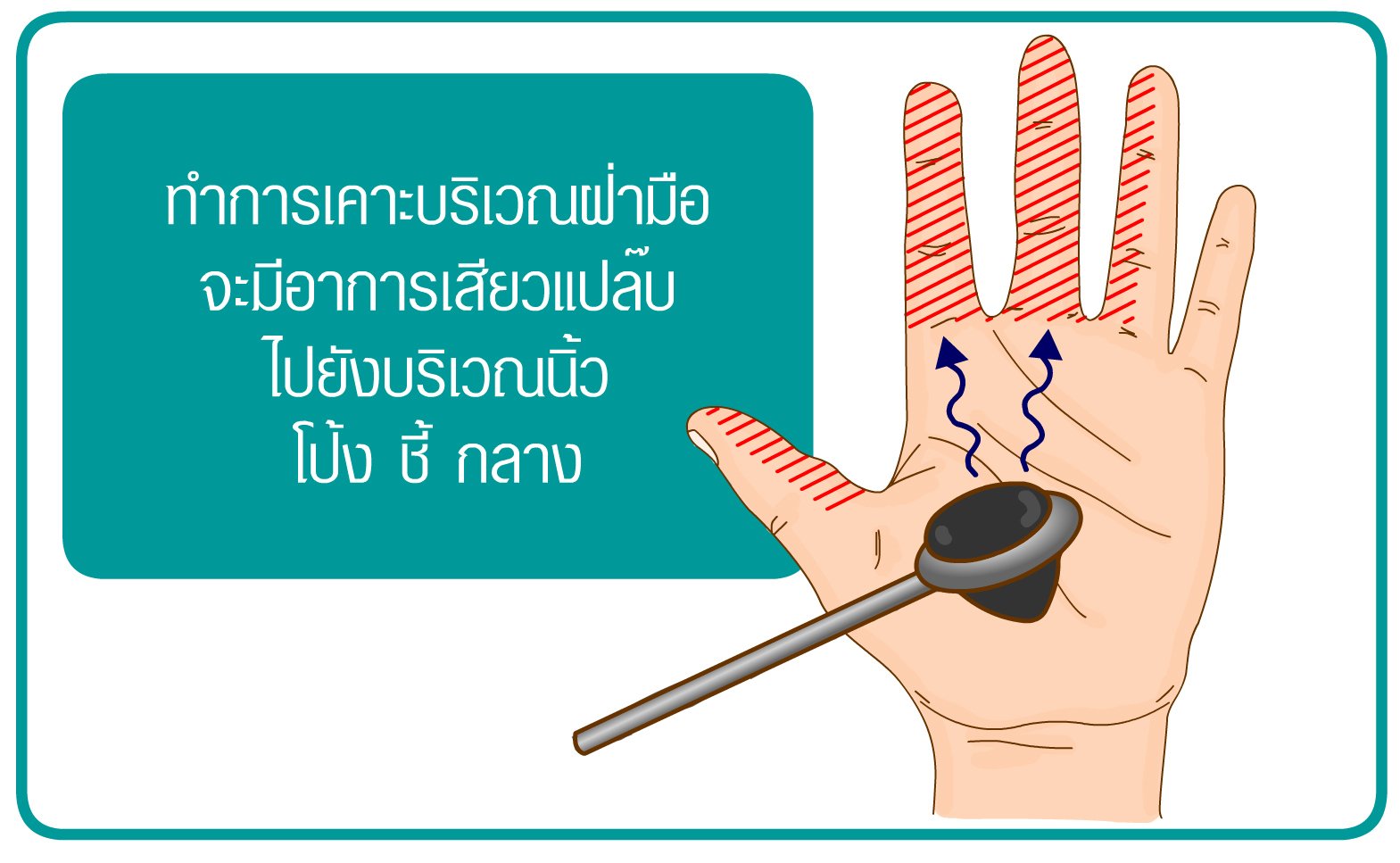
1.2 Tinel’s sign: the examiner taps over the median nerve, usually about 0.5–1 cm proximal to the distal wrist crease, between the flexor carpi radialis and palmaris longus. If tapping causes pain or an electric-shock sensation along the median nerve distribution, the result is considered positive.
2. Nerve conduction studies (electrodiagnosis) help confirm the diagnosis and predict the outcome.
3. Imaging
- X-ray: to look at the structure of the hand. This helps distinguish carpal tunnel syndrome from other conditions, such as arthritis, ligament injuries and fractures.
- Ultrasound diagnosis: uses high-frequency sound waves to assess compression of the median nerve.
- Magnetic resonance imaging (MRI): uses a magnetic scan to look for abnormal tissue around the median nerve, such as scarring from an injury or a tumour at the wrist.
Treatment
1. Oral medication, such as vitamin B and non-steroidal anti-inflammatory drugs (NSAIDs)
2. Local steroid injections into the carpal tunnel to reduce inflammation of the tissues around the nerve
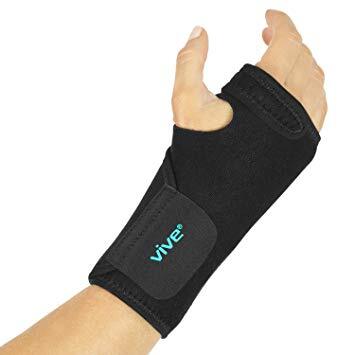
3. Wearing an orthosis (splint) to rest the wrist. Bending the wrist up or down increases the pressure inside the carpal tunnel, and this extra pressure compresses the small blood vessels supplying the nerve, reducing its blood supply.
4. Physical therapy, using high-power laser therapy, ultrasound and hot packs to release the fibrous tissue compressing the nerve, along with wrist joint mobilisation and muscle stretching.
5. Surgery, which cuts the fibrous band forming the palm side of the carpal tunnel over the nerve, to enlarge the tunnel and reduce the pressure inside it.
Basic self-care
- Rest your hands, including during work. Especially if you work with vibrating machinery or engines that require a lot of force, rest your hands regularly by stretching your wrist and arm muscles and gently moving your wrists.
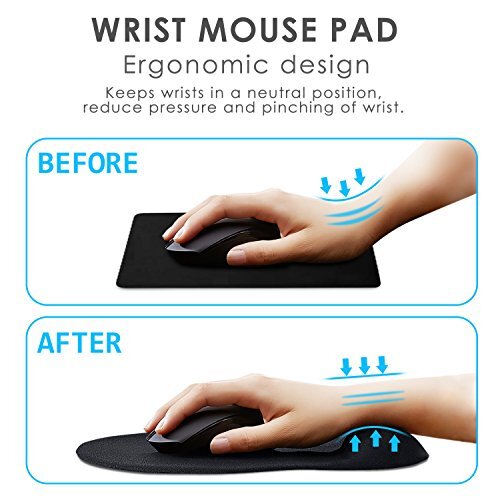
- If you work at a computer or type a lot, use a mouse pad with a gel wrist rest, and a soft cloth or sponge to support your wrists while typing on the keyboard.
- Avoid sleeping on your hands, and wear a wrist splint at night.
- Apply a warm compress or soak in warm water for 15–20 minutes.
-Most importantly, see a doctor early for examination and treatment. Combined with physical therapy, this offers good treatment without the need for surgery.
For more information, contact "Rehab Care Clinic"
Address: 423 Phetkasem Road, Bang Wa, Phasi Charoen, Bangkok (inside Kanari Sports Center, before Seacon Bangkae) ? 061-801-2482 Line ID: @rehabcare

Information provided by
Dr. Apiporn Garnjanagoonchorn (Dr. Ann)
Rehabilitation physician