Cramps vs athletes: why do athletes and people who exercise get cramps?
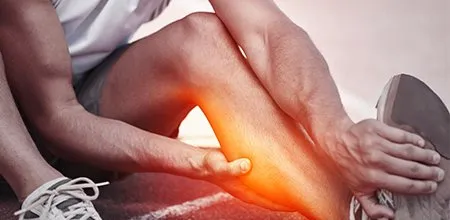
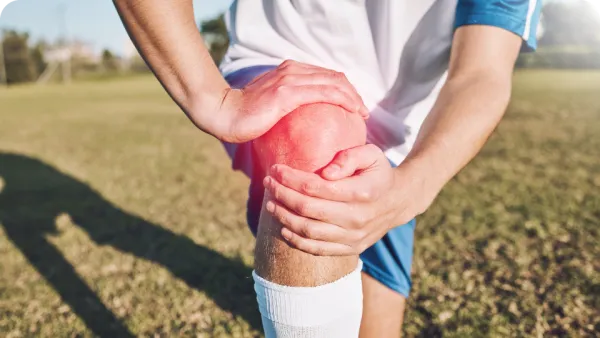
A cramp is a temporary contraction of an entire muscle that cannot be controlled at will (involuntary), causing it to form a hard knot or lump. It is very painful and makes it impossible to move.
Causes and risk factors for cramps
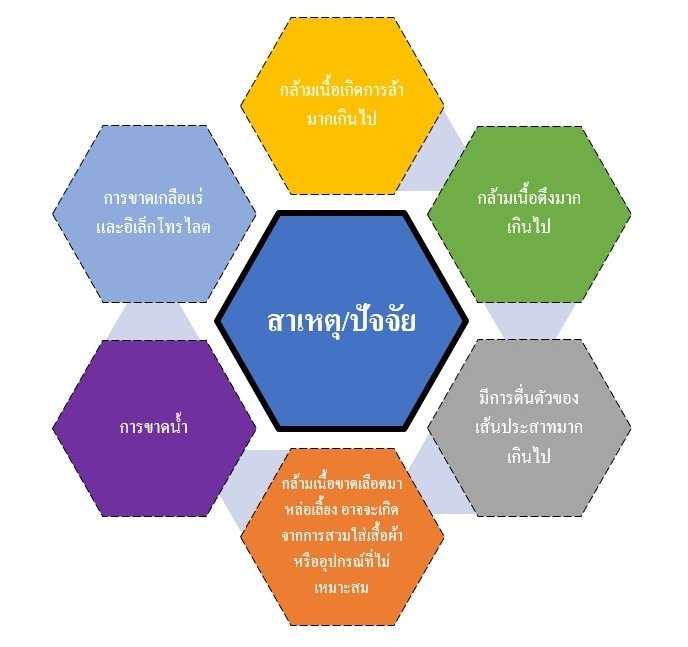
Cramps in athletes
"EAMC", or Exercise Associated Muscle Cramps, are cramps caused by exercise, and they differ from cramps caused by dehydration or electrolyte loss. Research has found that dehydration and electrolyte depletion do not affect the occurrence of these cramps; the researchers collected data from long-distance runners (Ultra Marathon) during competition.
Common sites
1. Calf muscles (calf muscle)
2. Thigh muscles (Quadriceps & Hamstring muscle)
3. Abdominal muscles (Abdominal muscle), which may be seen in swimmers
Research has found that...
1. "Men" are more likely to get cramps than "women".
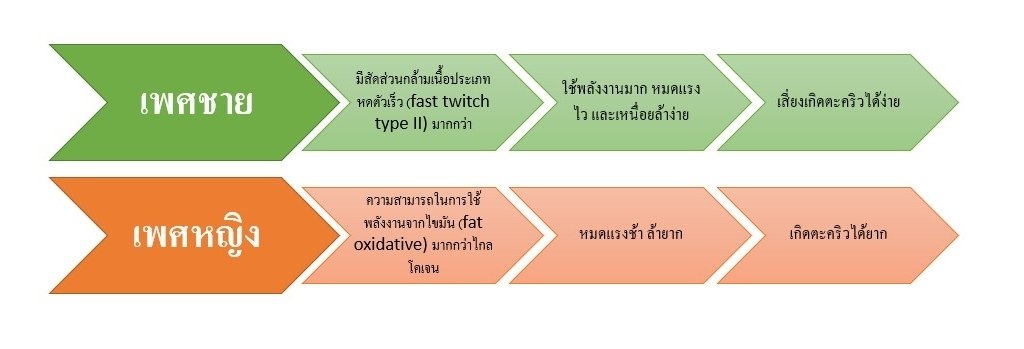
2. Athletes aged 50 and over are more prone to cramps.
3. Tall people with long limbs are more prone to cramps than shorter, smaller people, because the change in muscle length between full stretch and full contraction is much greater.
4. Exercise intensity (intensity) and duration (duration): exercising harder and for longer increases the risk of cramps.
5. Injury history: athletes who get cramps frequently have a history of tendon and joint injuries related to the body parts that move and cramp. Researchers hypothesise that injuries to the tissues connected to the muscle bundles cause the spinal cord to send more alpha signals, making the muscles more susceptible to cramping.
Tips to prevent cramps
- Warm up and cool down, including stretching the muscles (Muscle Stretching), every time before and after exercise or sport.
- Train regularly and work on strengthening your muscles, especially those that have cramped before. Stronger muscles take longer to fatigue (Fatigue), so the chance of cramping is lower.
- What you wear when exercising or playing sport: if you have had problems with cramps, especially in the calf muscles, try to avoid socks that reach just below the knee, especially tight, constricting socks. These make cramps more likely because they reduce blood flow to the calf muscles.
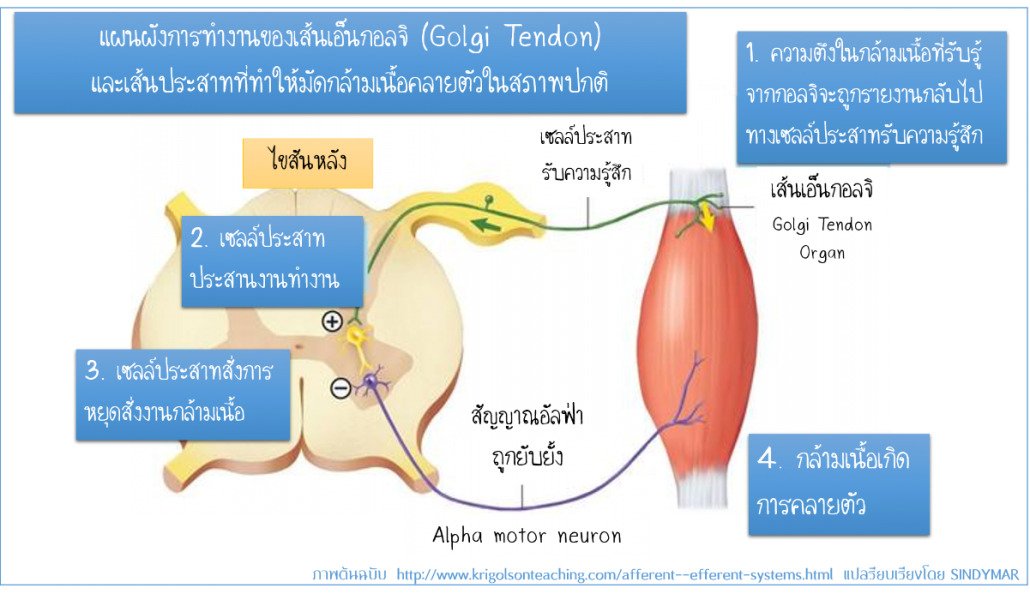
Why is stretching the best way to relieve a cramp?
This is because cramps usually occur when the muscle is shortened, and the muscle-relaxing signal from the Golgi tendon organ (Golgi tendon organ) misfires, so the body's automatic muscle-lengthening reflex does not work. Stretching the muscle resets the Golgi tendon organ so that it works normally again.
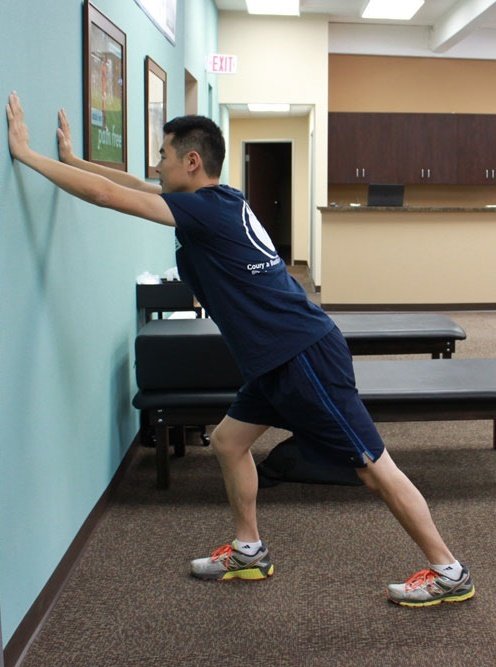
Calf stretches
Exercise 1: Stand facing a wall with the painful leg straight behind you and the sole flat on the floor; bend the knee of the other leg slightly. Hold for a count of 15, then release. Repeat 3–5 times, then switch sides.
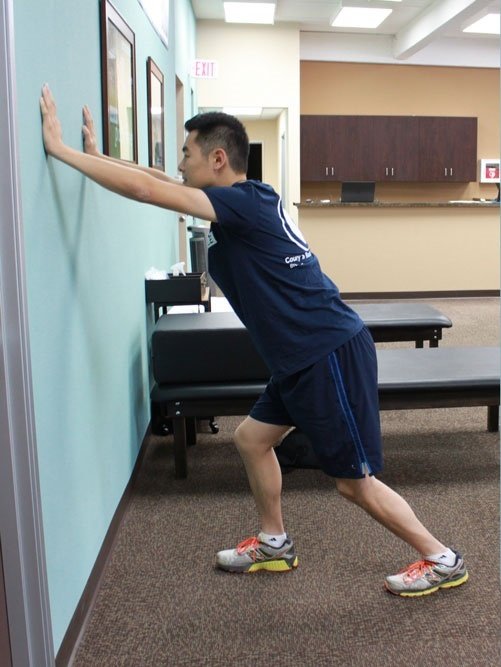
Exercise 2: Stand facing a wall with the painful leg behind you, knee bent and the sole flat on the floor; bend the knee of the other leg slightly. Hold for a count of 15, then release. Repeat 3–5 times, then switch sides.
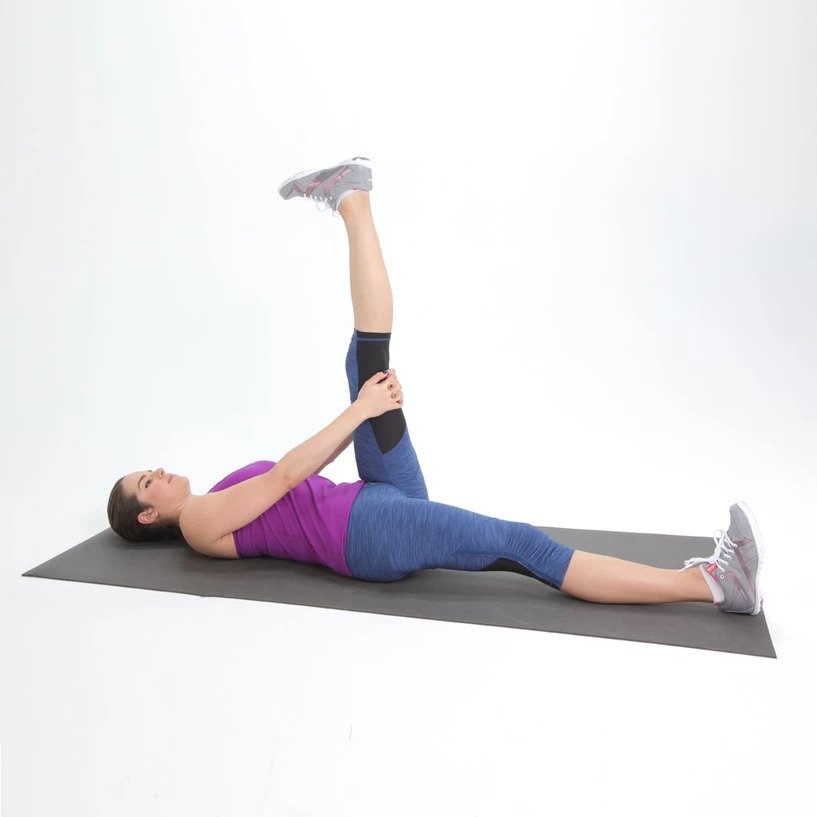
Exercise 3: Lie on your back and lift one leg. Try to straighten the knee and pull your toes towards you until you feel a stretch, but no pain, at the back of the thigh. Hold for a count of 15, then release. Repeat 3–5 times, then switch sides.
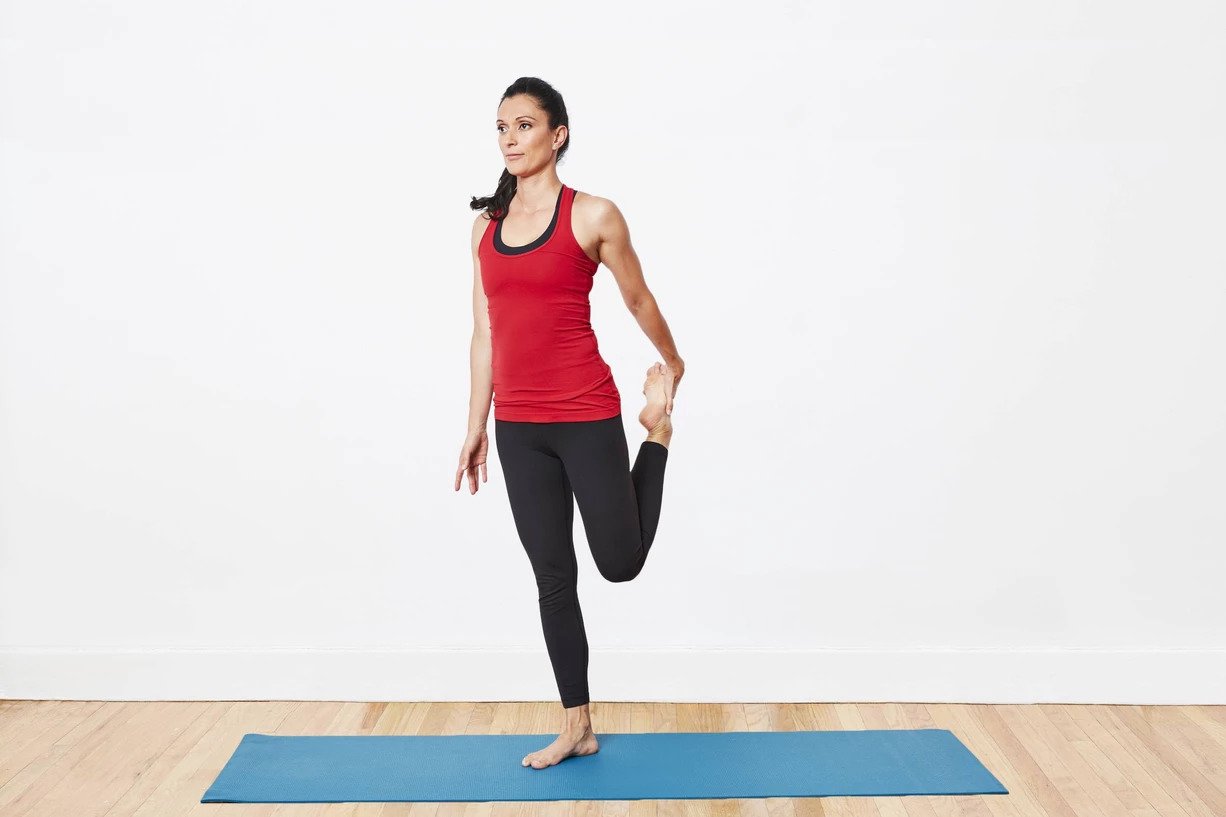
Exercise 4: Stand up straight and bend one knee behind you, holding the ankle with your hand so that the knee points down to the floor, until you feel a stretch, but no pain, in the thigh. Hold for a count of 15, then release. Repeat 3–5 times, then switch sides.
If you have any questions, you can consult Rehab Care Clinic directly. The clinic has rehabilitation physicians and physical therapists who are always available to advise you.
For more information
Address: 423 Phetkasem Road, Bang Wa, Phasi Charoen, Bangkok (inside Kanari Sports Center, before Seacon Bang Khae) ? 061-801-2482 Line ID : @rehabcare

Information provided by
Dr. Apiporn Garnjanagoonchorn (Dr. Ann)
Rehabilitation physician