
Deep lower back pain: what is causing it?
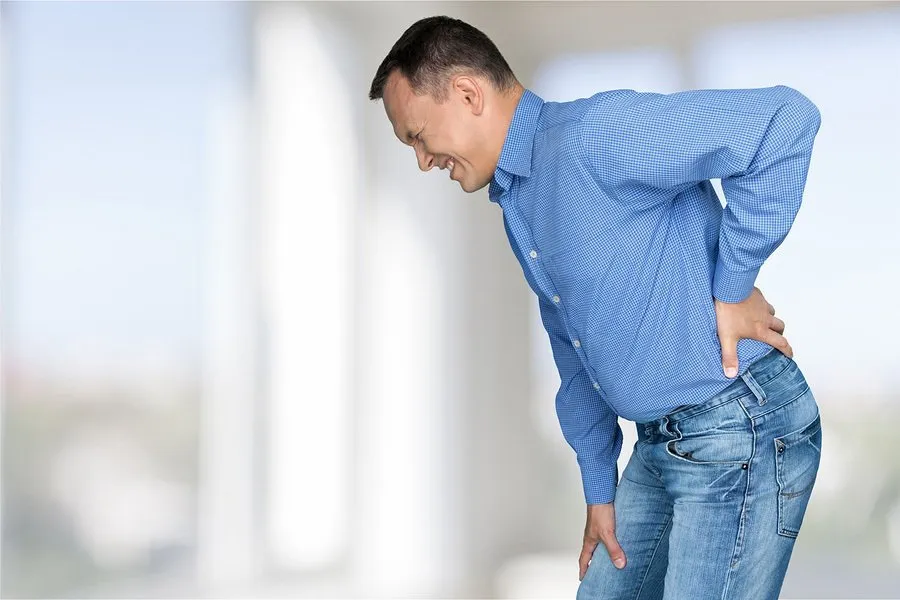
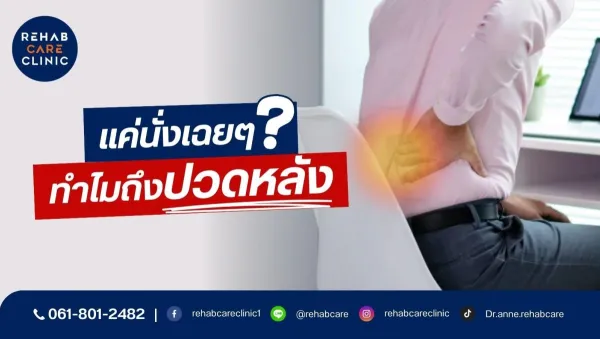
Do you sit at work or drive for long periods and often get lower back pain, or a deep ache inside your waist area? A massage or pressing on a small spot makes it feel better, but once you go back to work, the pain returns.
Today, let's get to know a muscle that can cause lower back pain: the quadratus lumborum, or QL muscle.
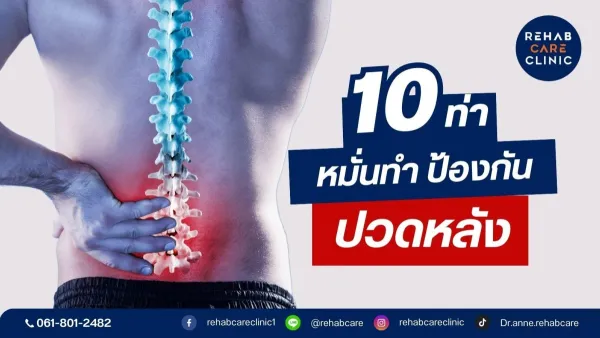
The QL muscle lies in the lower back, attaching the ribs and spine to the pelvis, as shown in the picture.
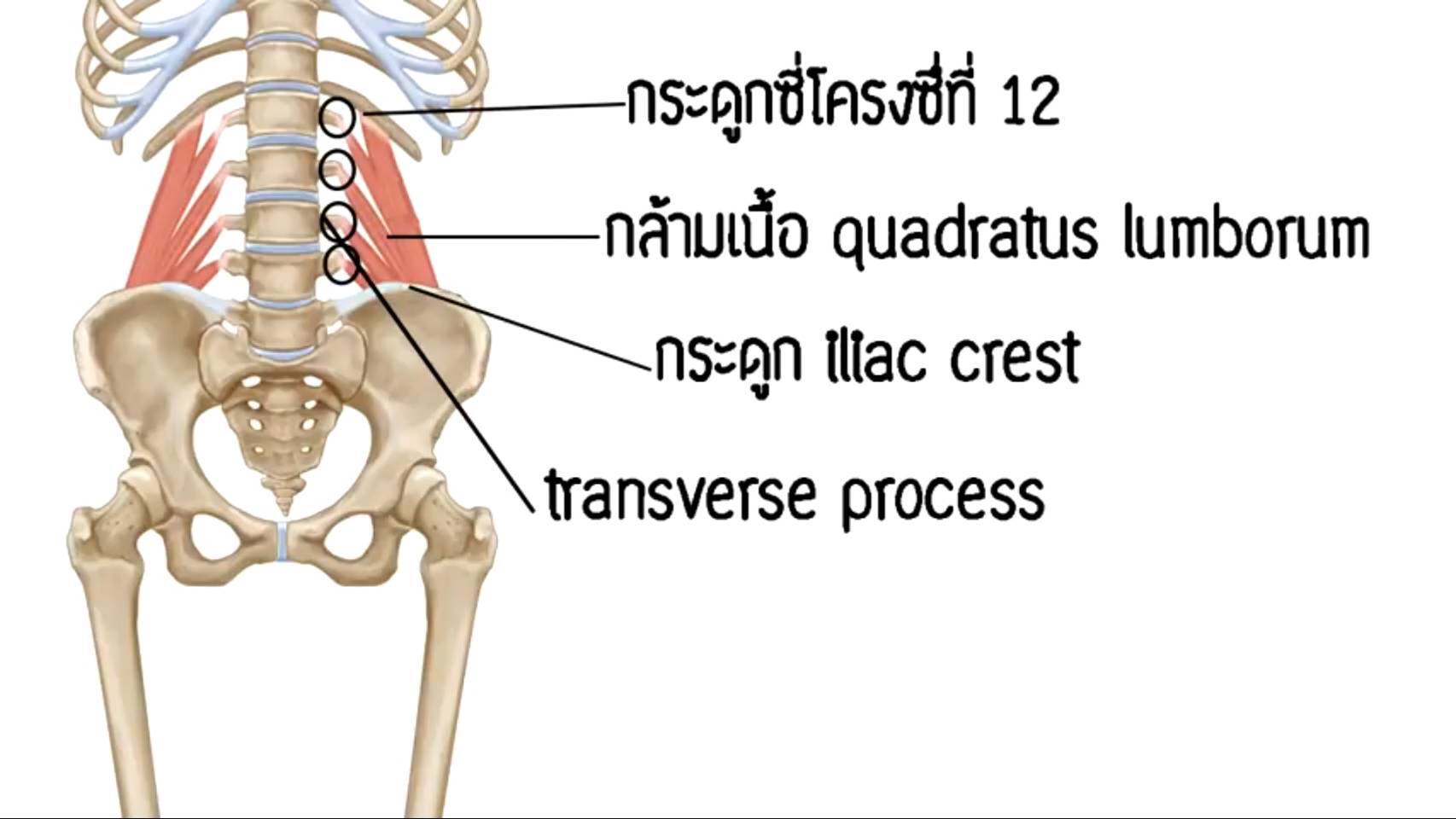
The QL muscle hitches the hip, bends the trunk to the side and arches the back, and it also helps stabilise the lumbar spine. However, when the QL works continuously, it can stay contracted and cause pain. Habits that commonly make the QL muscle tight include:
- Standing with an arched back and the buttocks pushed out, which keeps the QL working all the time (Anterior pelvic tilt)
- Habitually standing or sitting leaning to one side, sitting with one knee raised, or always sitting with your legs folded to one side, because the QL on that side works on its own
- Sleeping on a high pillow and lying on your side all night, which keeps the upper side of the waist shortened, so the QL is contracted all the time. When the muscle becomes very tight, it can cause pain.
- Weakness of the buttock muscle at the side of the hip (gluteus medius). Normally the gluteus medius keeps the pelvis level, but when it is weak, the QL has to work to help, which can make it tight and painful.
How to treat QL muscle pain or tightness
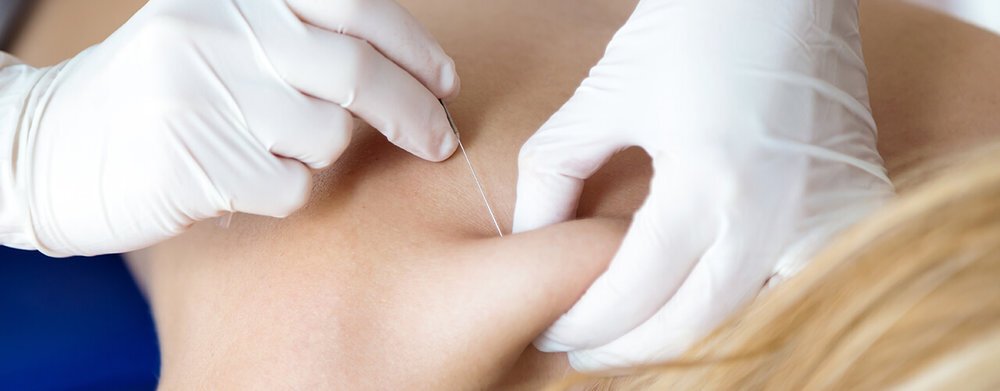
1. Dry needling
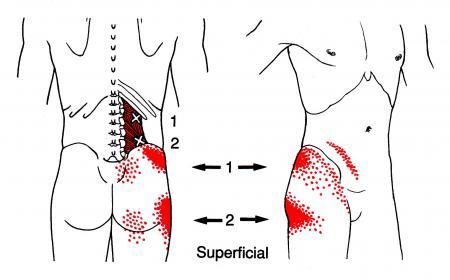
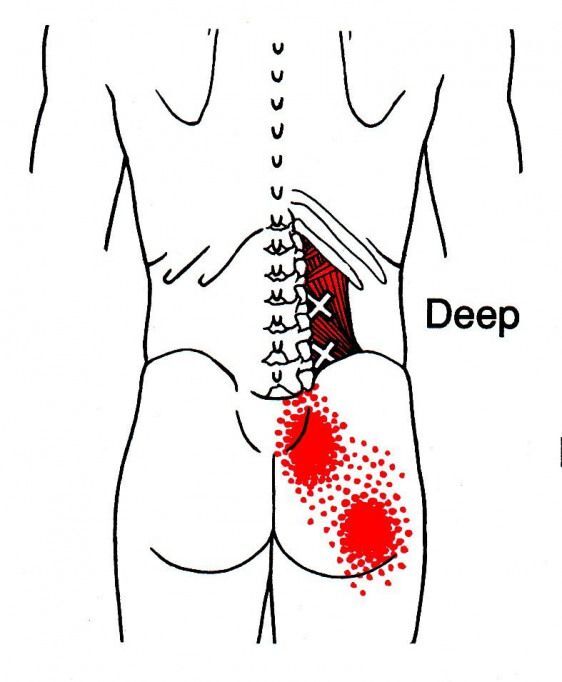
This releases tight spots in the muscle known as myofascial trigger points. A needle is used to stimulate the trigger point so that it releases and the pain goes away. A trigger point can cause referred pain (refer pain) along the hip, as shown in the picture.
2. Prolotherapy injection
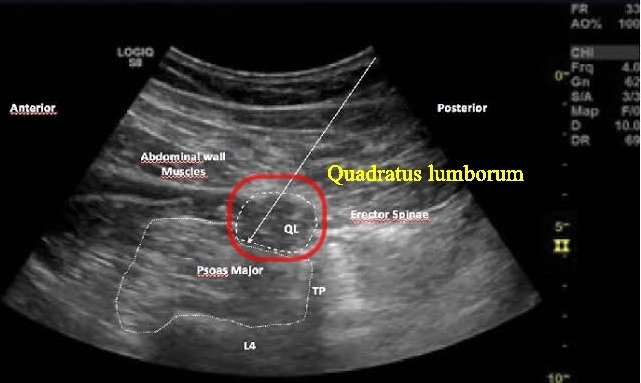
Glucose is injected into the injured or inflamed muscle area to stimulate repair and speed up the body's natural healing and recovery process. The injection is guided by ultrasound, which makes it safer and more accurate and reduces the risk of hitting a nerve.
Physical therapy
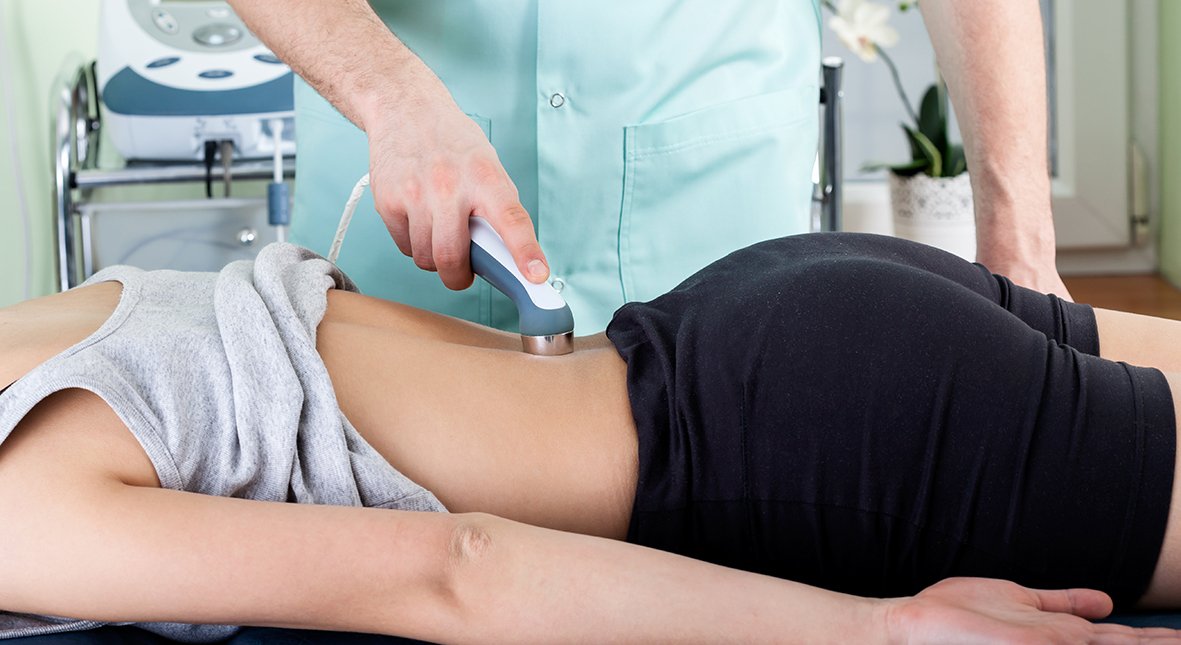
1. Ultrasound therapy
Helps treat injuries to deep tissues and joints and speeds up tissue repair by increasing blood circulation, improving the flexibility of connective tissue, and reducing pain and muscle spasm.
2. High-power laser therapy
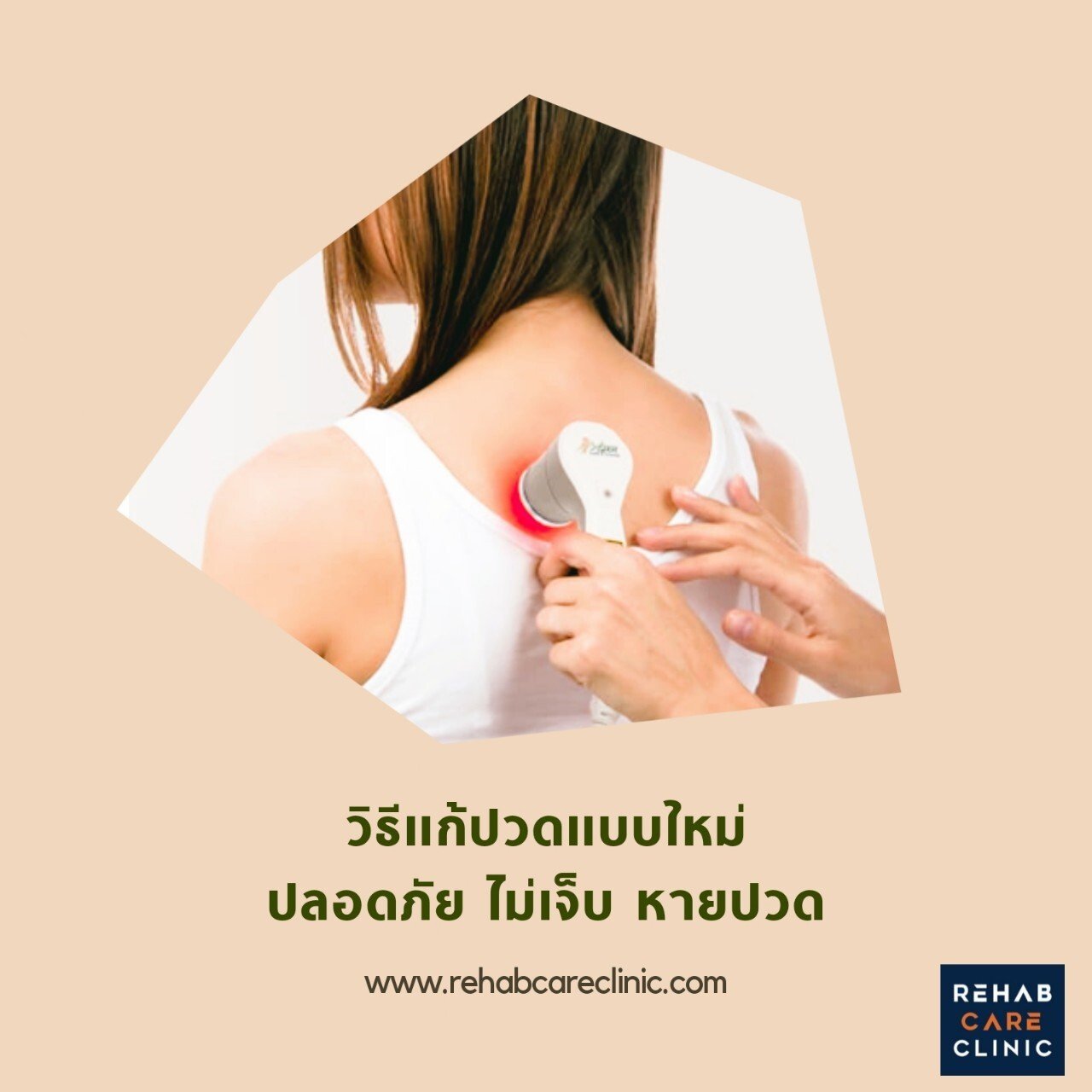
Stimulates nerve endings to inhibit pain signals and reduces pain, swelling and inflammation. The laser also has a heating effect that dilates blood vessels, bringing more blood and oxygen to the cells, speeding up the removal of waste and helping reduce inflammation. Most importantly, the laser's key advantage is that it boosts cellular energy (ATP) by speeding up oxygen transport and mitochondrial activity within the cells. With more ATP, cells repair and recover more quickly.
How to release the QL muscle
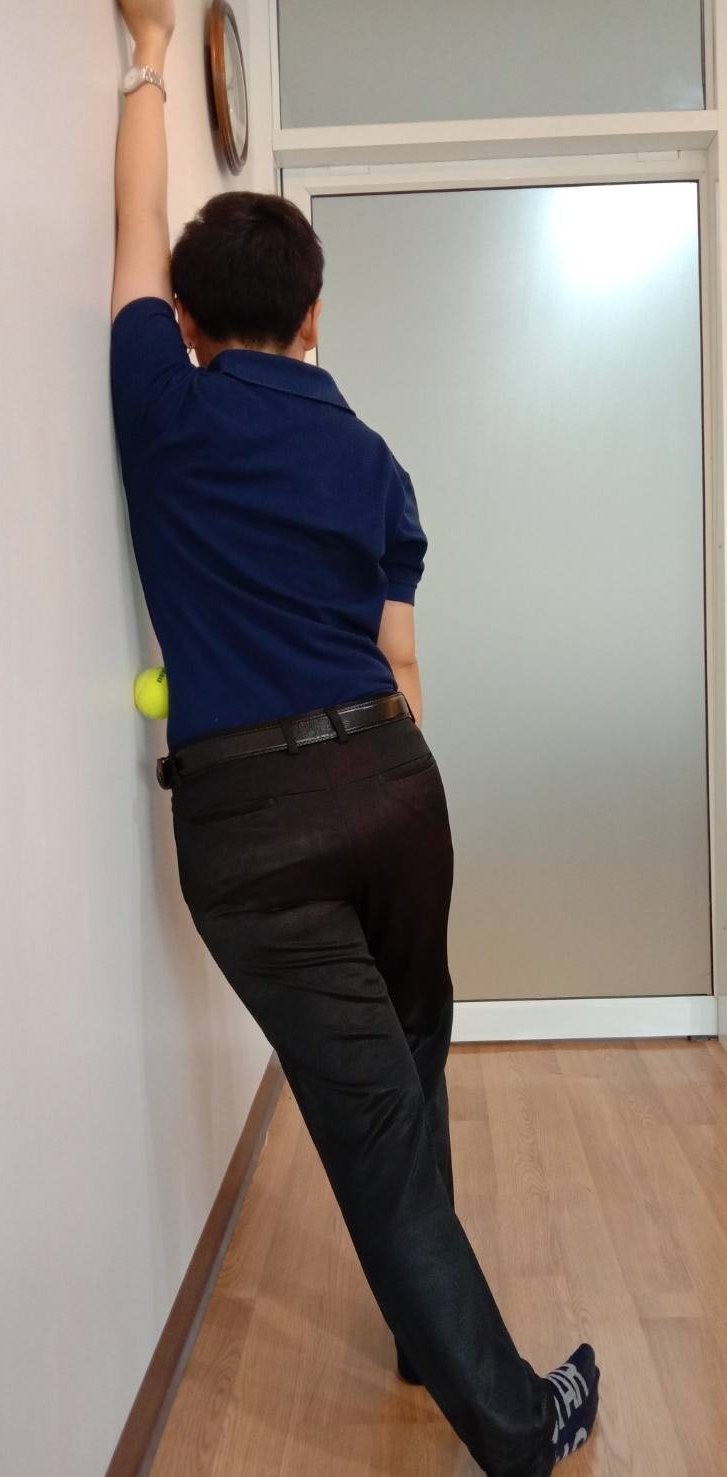
Roll a tennis ball over the muscle
Roll a tennis ball directly over the QL muscle. Stand with the tight side facing a wall, raise your arm, cross the leg on the tight side over to the other side, and lean into the wall to roll the tennis ball.
(*** Be careful not to press too hard, as this can cause soreness. ***)
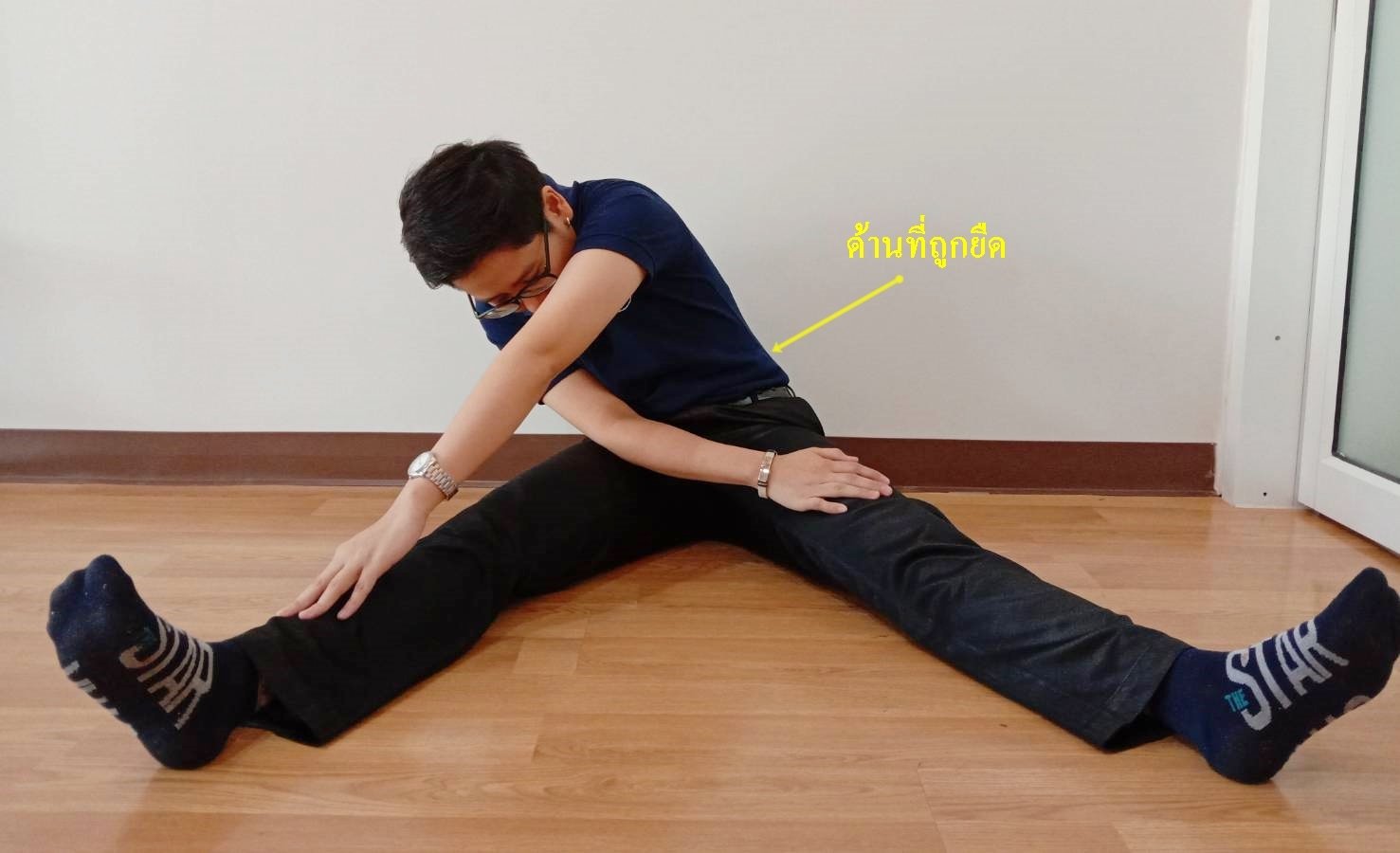
Seated straddle with toe reach
For example, to stretch the left QL: sit with both legs spread out to the sides until you feel a slight stretch in the inner thighs. Reach your left hand to hold your right toes and reach your right hand to hold your left knee (this twists the trunk so you feel more of a stretch) until you feel a stretch but no pain. Hold for 15–20 seconds. Repeat 5–8 times, 3 sets a day, as shown in the picture.
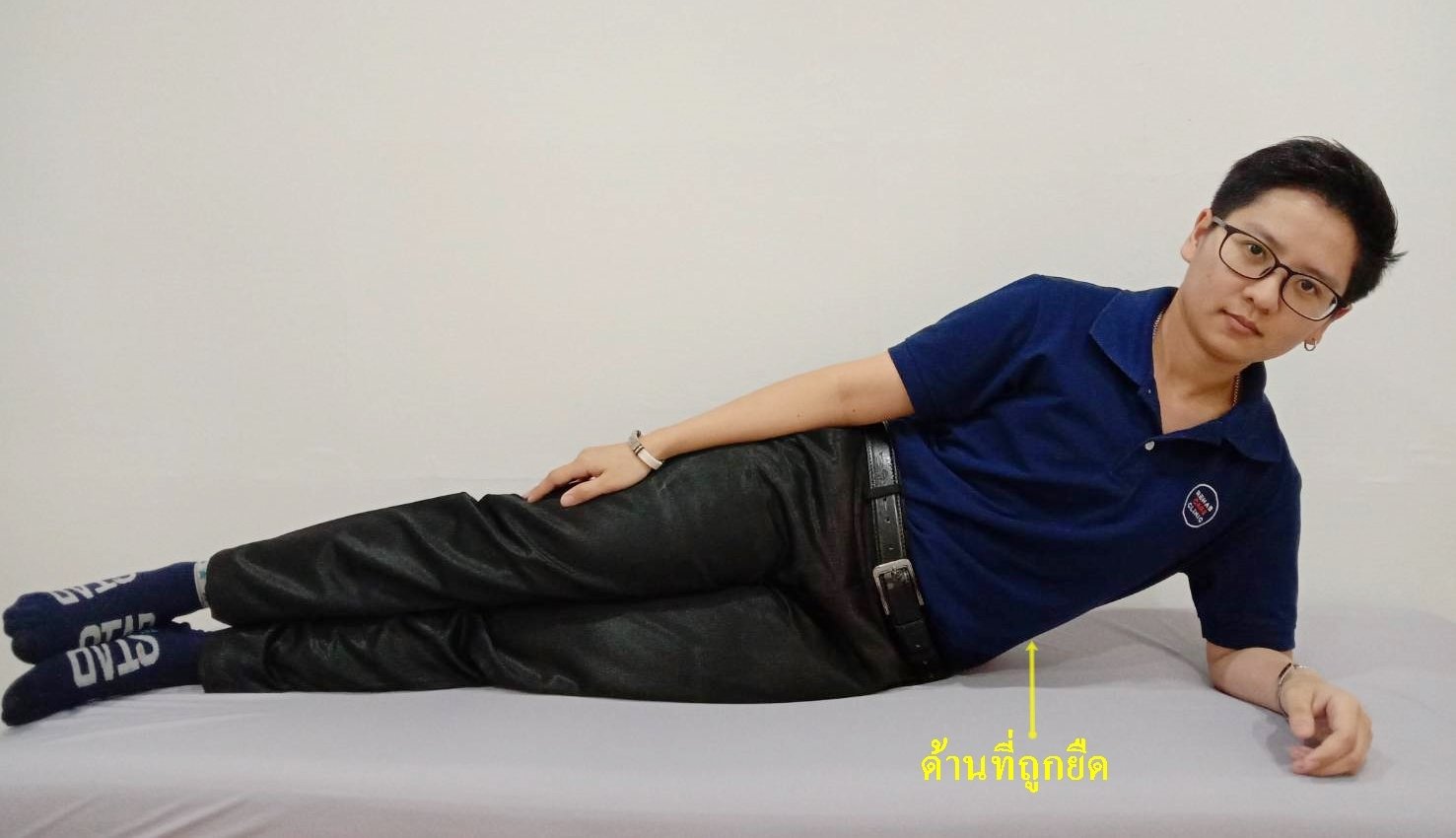
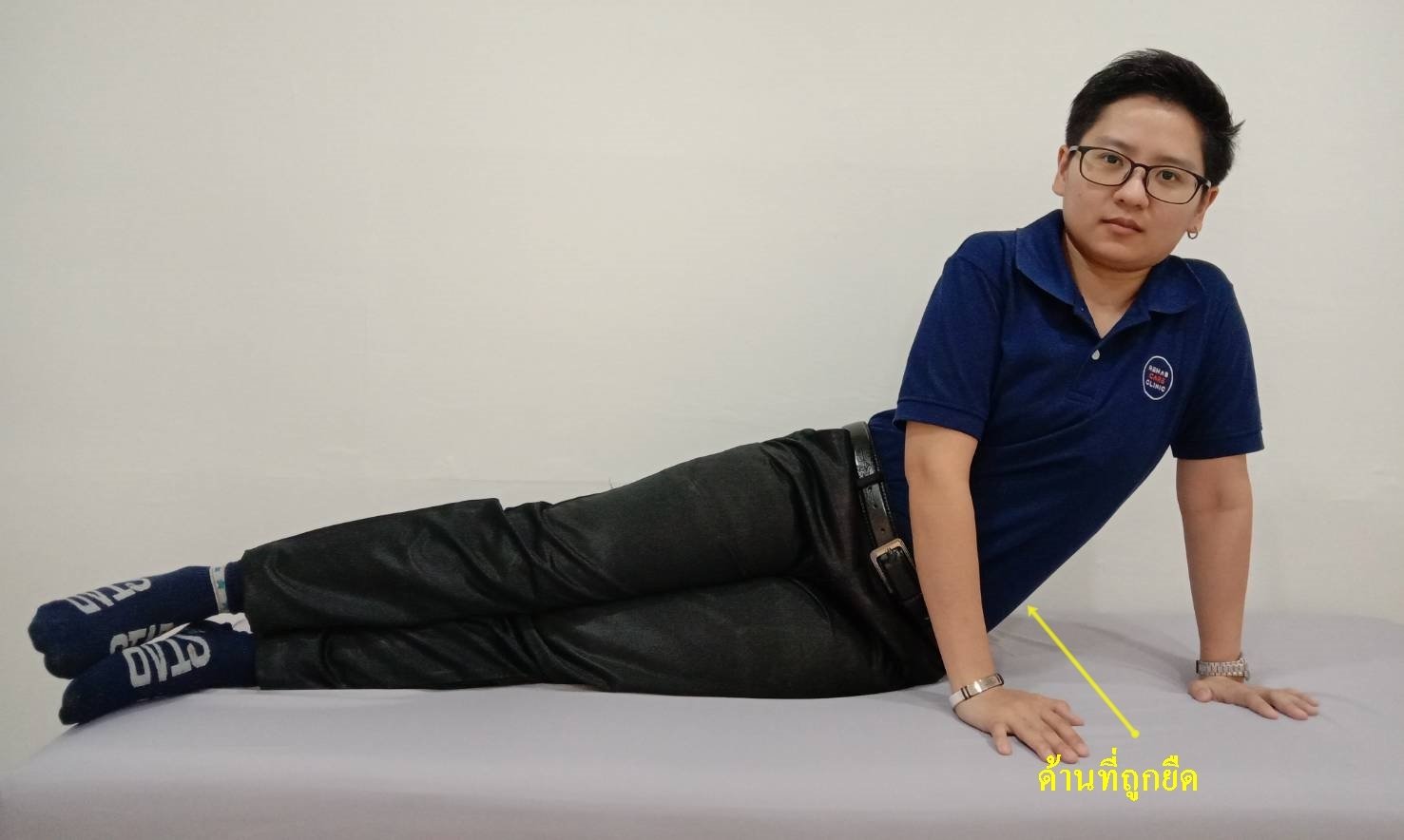
Side-lying push-up
For example, to stretch the left QL: lie on your left side propped up on your elbow (with the side you want to stretch underneath), legs stacked on top of each other and your body and legs in a straight line. Then push your body up with your hand, using the other hand to support yourself in front. You will feel a stretch along your side but no pain. Hold for 15–20 seconds, then return to the starting position. Repeat 5–8 times, 3 sets a day, as shown in the picture.
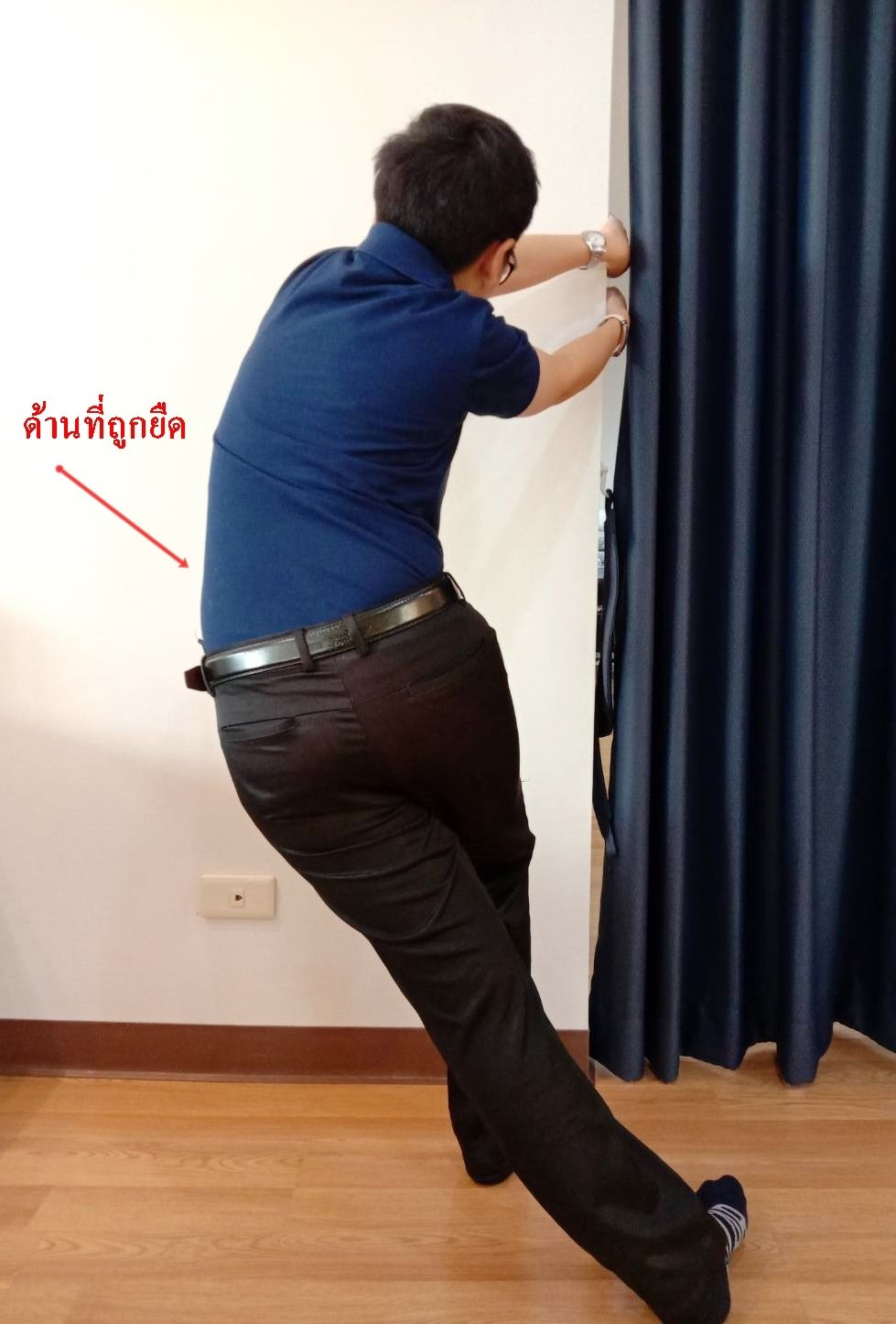
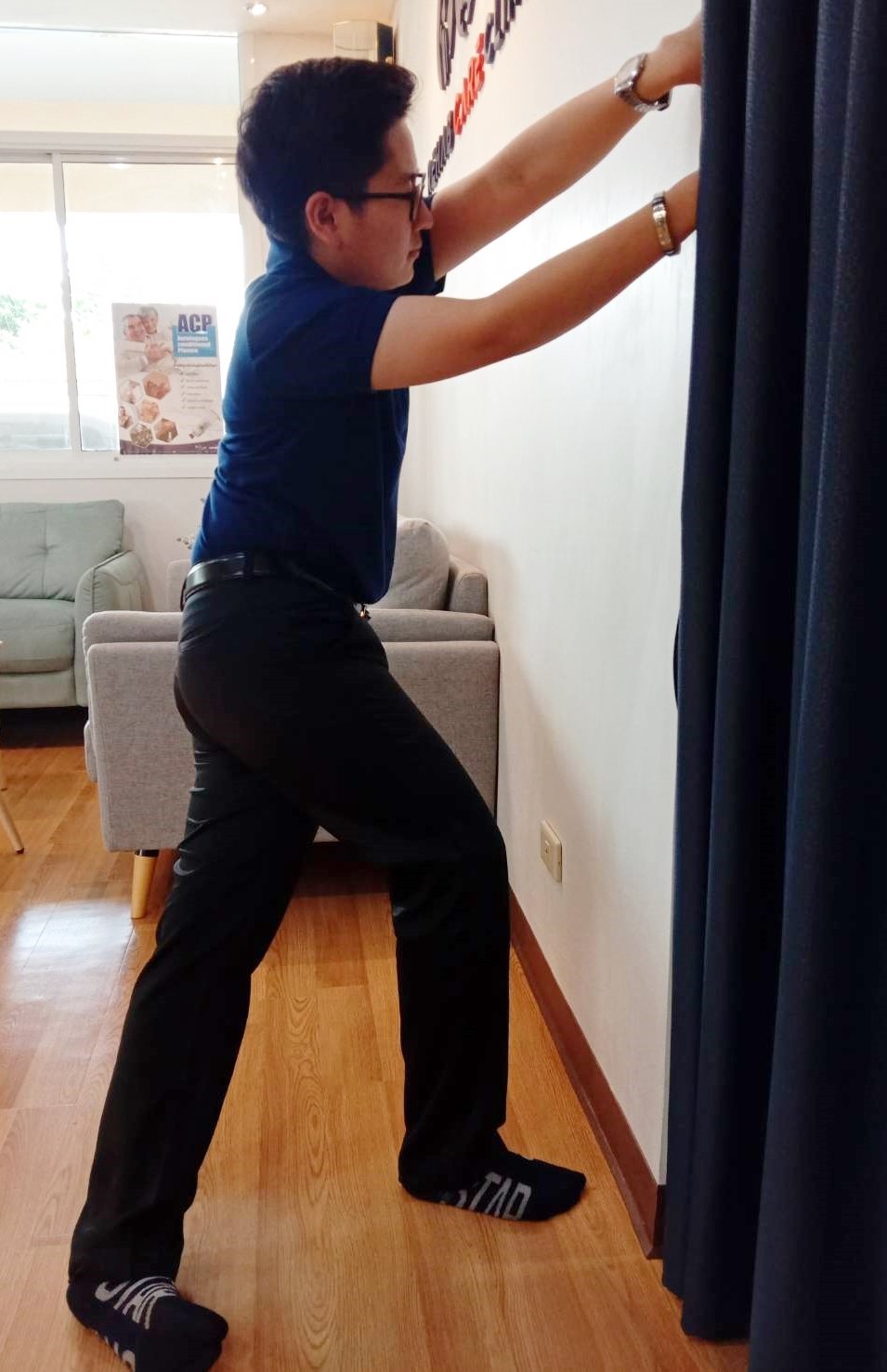
Hanging from a door frame or wall
For example, to stretch the left QL: hold the door frame or wall edge with both hands, cross your left leg behind your right leg (with the right knee slightly bent), and let your body lean to the left (keeping your hands on the door frame the whole time) until you feel a stretch along your side. Hold the stretch for 20 seconds. Repeat 5–8 times, 3 sets a day, as shown in the picture.
If you have an injury, do not leave your doubts unanswered. See a doctor, who can use ultrasound to examine the affected structures, plan your treatment and help your body recover its strength.
You can contact Rehab Care Clinic to consult our rehabilitation physicians and specialist physical therapists about your health concerns.
For more information, contact "Rehab Care Clinic"
Address: 423 Phetkasem Road, Bang Wa, Phasi Charoen, Bangkok (inside Kanari Sports Center, before Seacon Bang Khae) ? 061-801-2482 Line ID : @rehabcare

Information provided by
Dr. Apiporn Garnjanagoonchorn (Dr. Ann)
Rehabilitation physician