
Groin pain: what should you do?

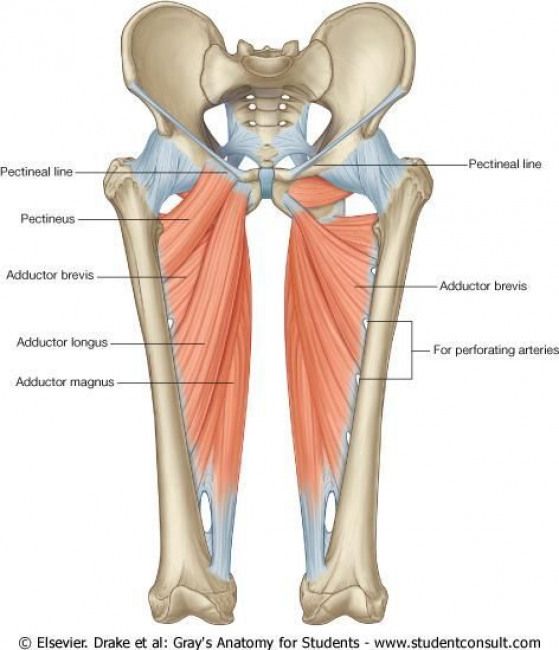
First, let's get to know the groin muscles. The groin muscles, or the muscles used to adduct the hip (hip adductor muscle),
are a group of muscles that bring the legs together. There are three of them:
- Adductor longus
- Adductor brevis
- Adductor magnus
Causes of groin muscle injuries
1. Forceful outward rotation of the leg while it is spread apart, which stretches or tears the tendons or muscles
2. Repeated minor injuries to the groin muscles (hip adductor muscle) that were already present
3. Weak groin muscles (hip adductor muscle) combined with very strong front thigh muscles (quadriceps muscle). This makes the two muscle groups work out of balance and pull against each other, which leads to injury.

Symptoms
- A stabbing pain, like a knife in the groin
- Possibly a dull ache
- Pain that gets worse when squeezing the legs together against resistance
- On examination, the doctor will find tenderness over the groin muscle tendons (Hip adductor muscle)
- Sometimes the hip may feel stiff in the morning
Treatment
- If there is swelling, redness and warmth, apply a cold compress to the painful area for about 15–20 minutes and rest the leg.
- If the condition is long-standing and there is no swelling, redness or warmth, apply a warm compress to the painful area for about 15–20 minutes, then stretch the muscles.
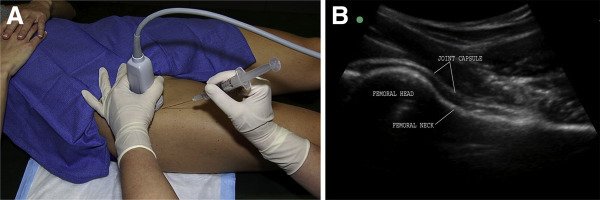
- Prolotherapy Injection: glucose is injected into the injured or inflamed muscle area to stimulate repair and speed up the body's natural healing and recovery process. The injection is guided by ultrasound, which makes it safer and more accurate and reduces the risk of hitting a nerve.
- Physical therapy treats the root cause of the problem by directly correcting the problematic bone and muscle structures, helping you return to your daily activities or sport safely and without pain. Physical therapy has advanced greatly, with modern treatment techniques and high-quality technology.
>Therapeutic ultrasound helps speed up tissue repair by increasing blood circulation and delivering oxygen and nutrients, the energy sources used in the repair process, to these tissues. You will notice the difference immediately after treatment.
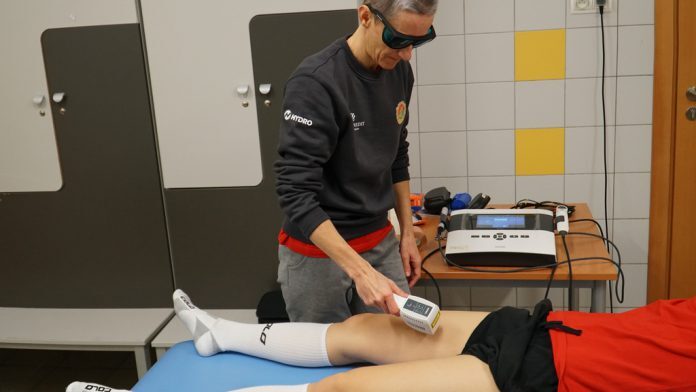
>High-power laser therapy helps speed up tissue repair and reduce pain by stimulating the mitochondria, the energy source in tissue cells, to work more efficiently so the tissue repairs itself faster. It is suitable for tissues with a poor fluid or blood supply, such as ligaments and tendons in the body.
Exercises to strengthen the affected muscles
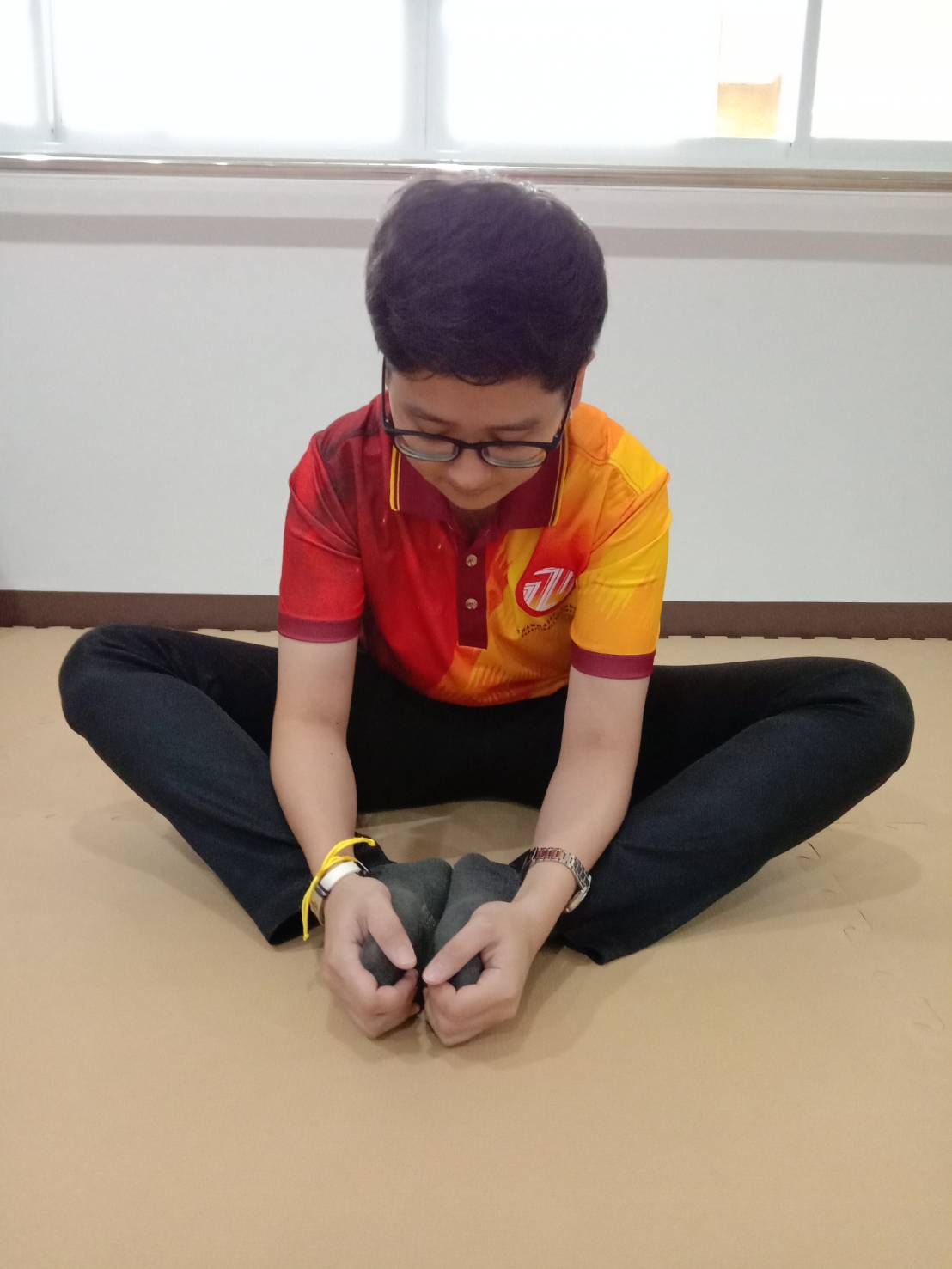
1. Sit with the soles of your feet together and your back straight, then slowly lean forward. Hold for a count of 15. Repeat 3–5 times.
2. Raise one knee as shown in the picture, then slowly lean forward until you feel a stretch in the front of the thigh. Hold for a count of 15. Repeat 3–5 times.
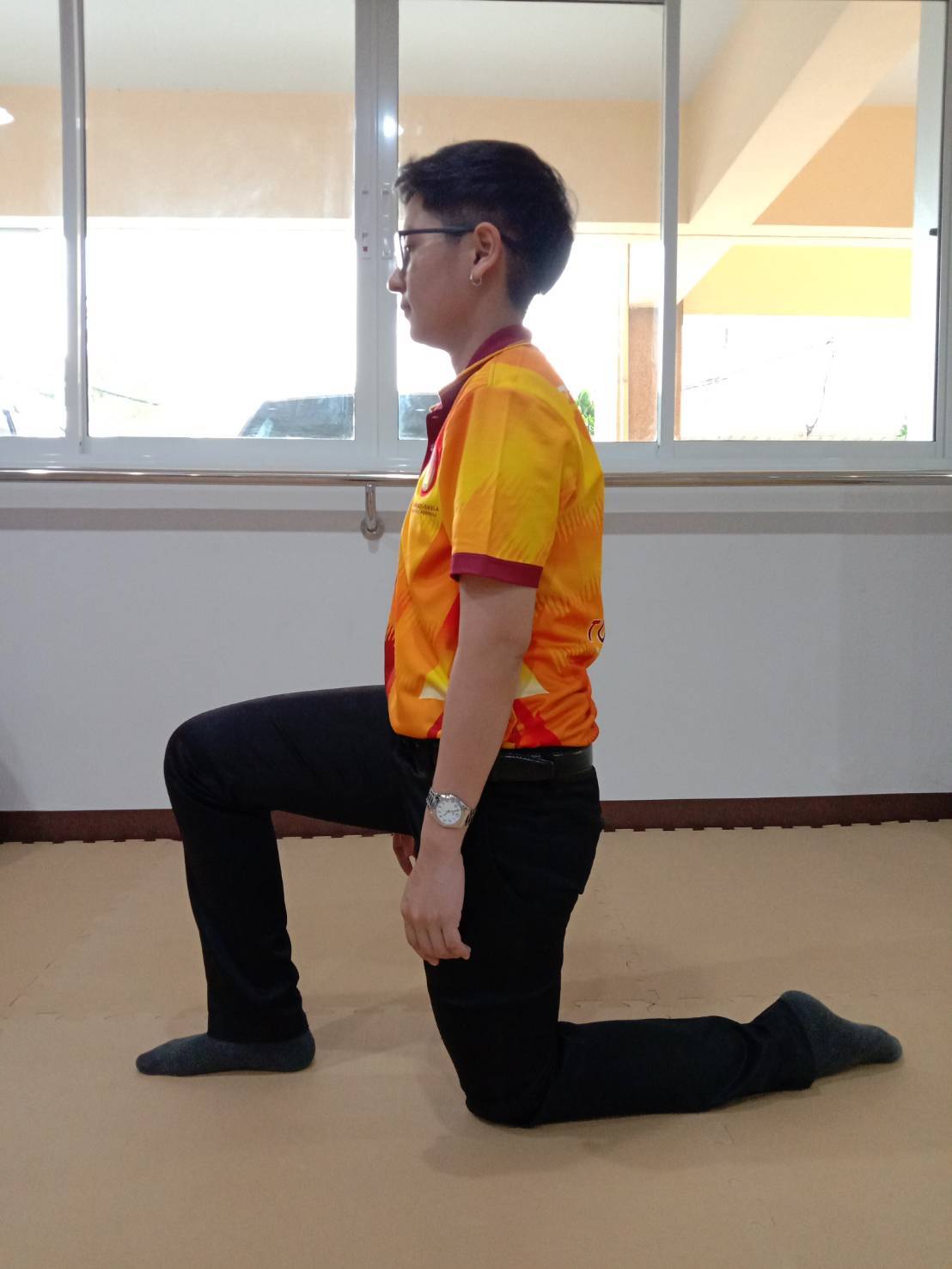
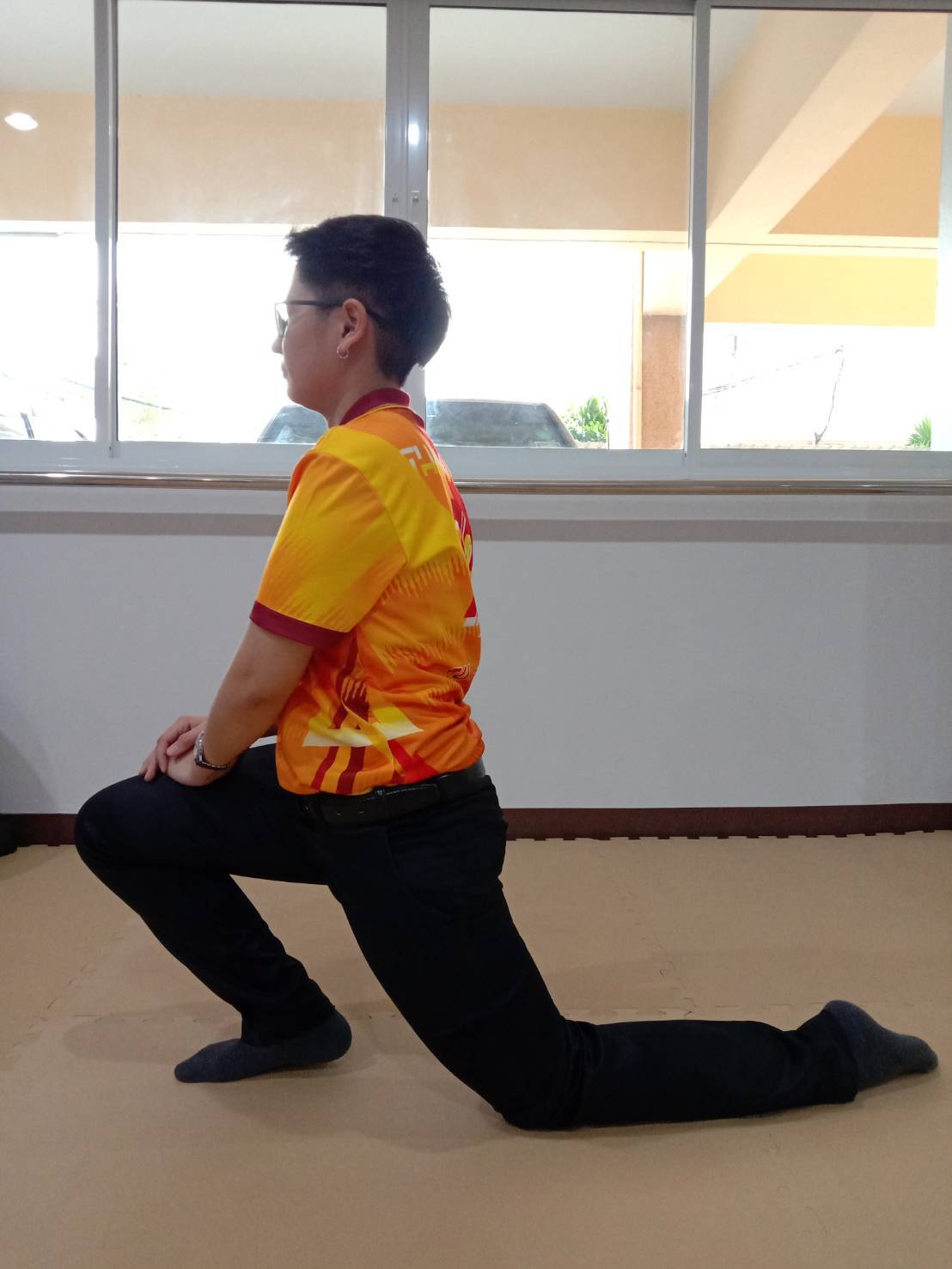
3. Stand with your feet slightly apart and slowly shift your weight to one side until you feel a stretch in the front of the thigh. Hold for a count of 15. Repeat 3–5 times.
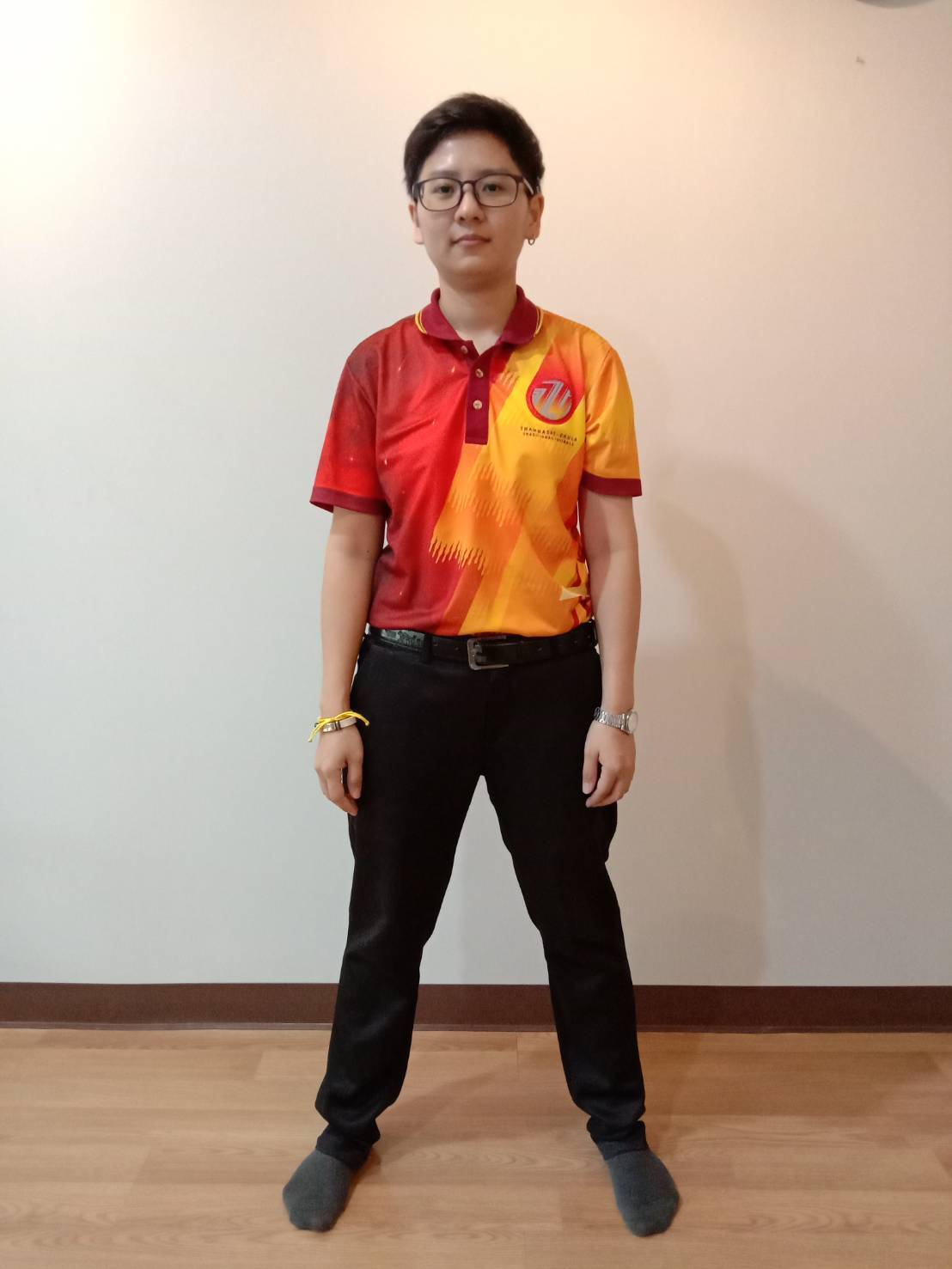
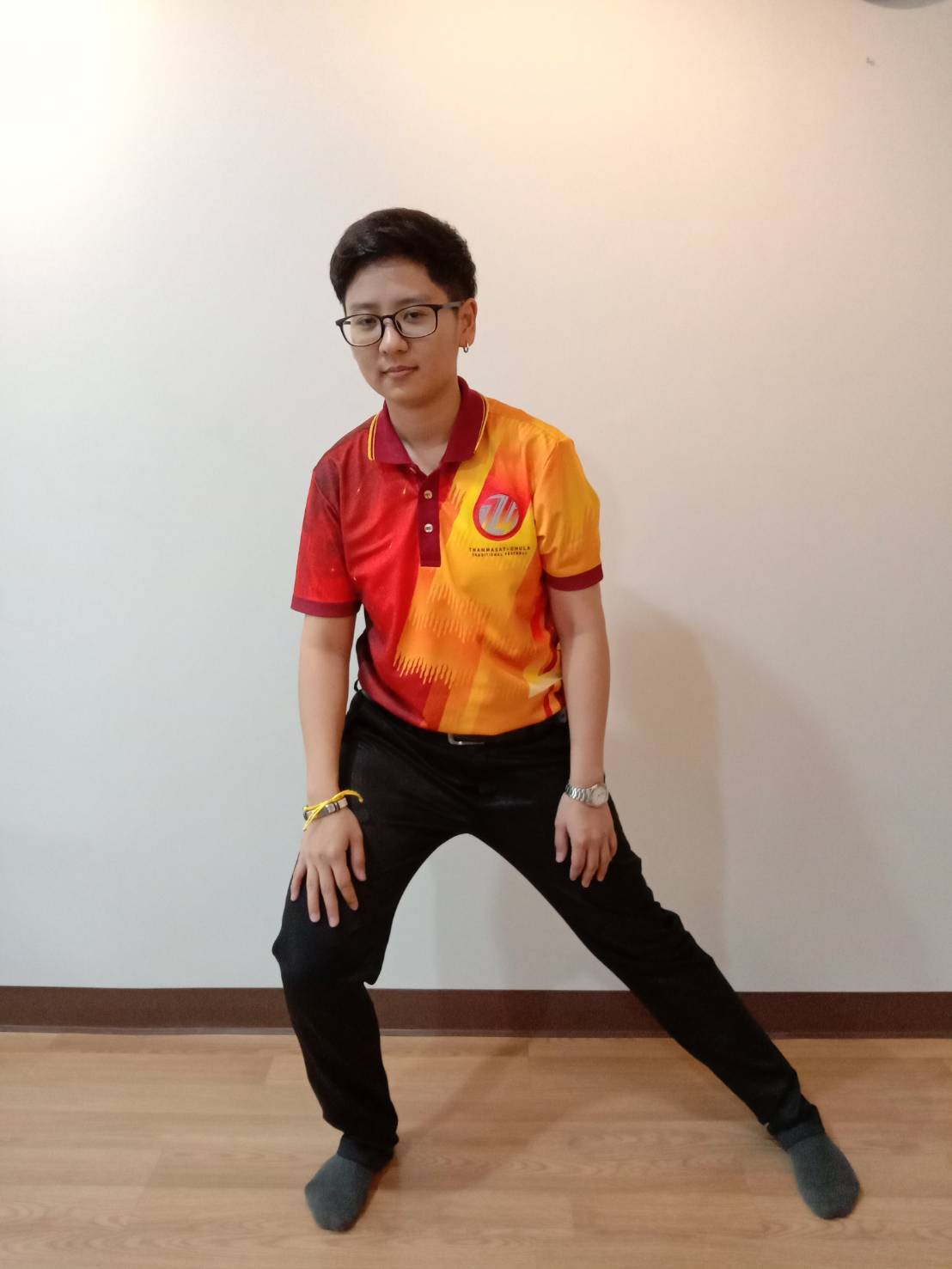
4. Lie on your side with your upper leg resting on a chair, then slowly lift the lower leg up towards it. Move slowly. Do 15 repetitions per set, 3 sets.
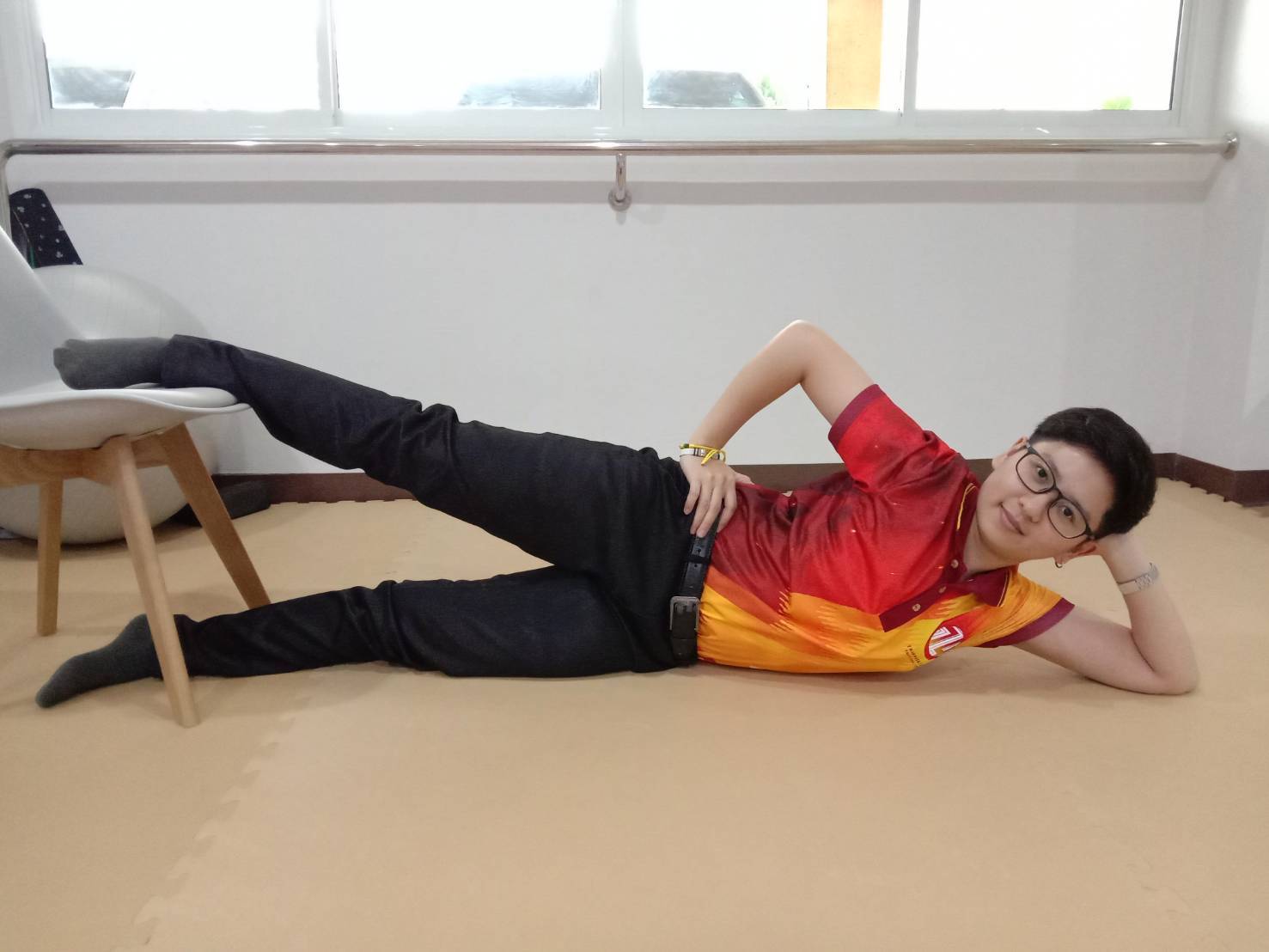
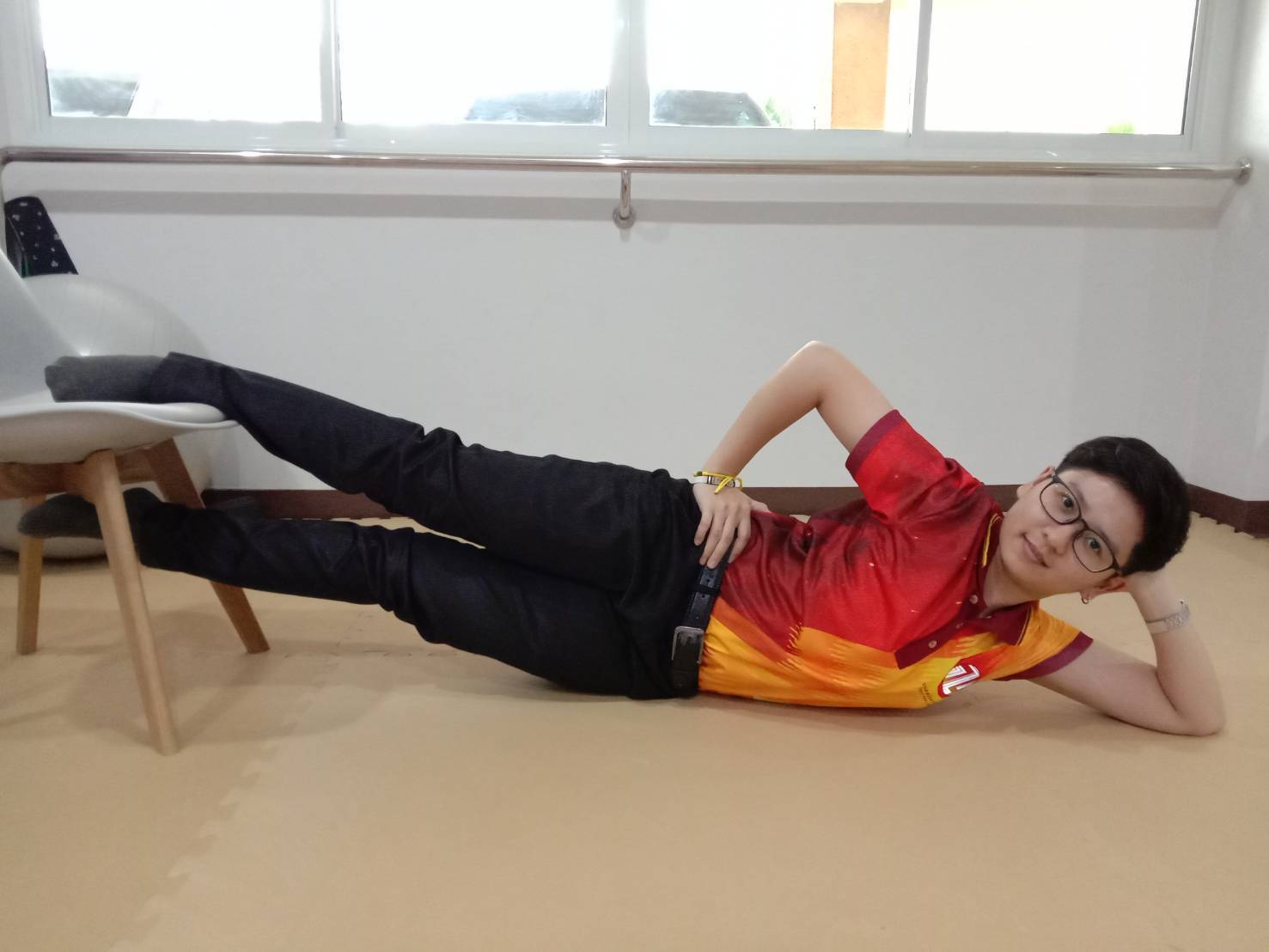
You can contact Rehab Care Clinic to consult our rehabilitation physicians and specialist physical therapists about your health concerns.
For more information, contact "Rehab Care Clinic"
Address: 423 Phetkasem Road, Bang Wa, Phasi Charoen, Bangkok (inside Kanari Sports Center, before Seacon Bang Khae) ? 061-801-2482 Line ID : @rehabcare

Information provided by
Dr. Apiporn Garnjanagoonchorn (Dr. Ann)
Rehabilitation physician