

Hydrotherapy: the wonder of water
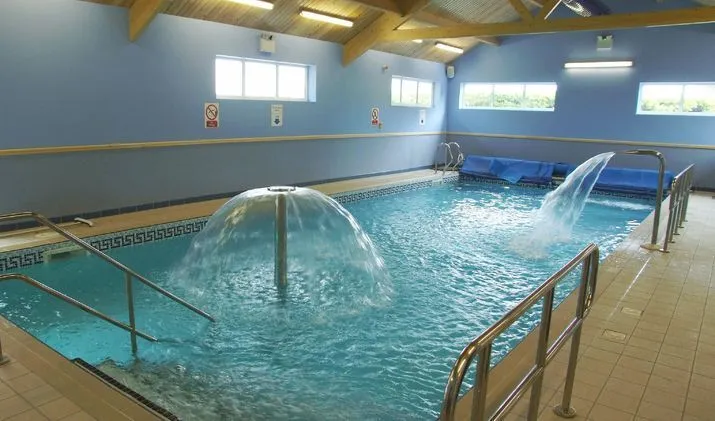
The word hydrotherapy comes from two Greek roots:
- Hydro, meaning water
- Therapy, meaning treatment
It combines the properties of water with exercise to treat pain, while also promoting health and relaxation.
The evolution of water-based treatment
In ancient Greece, around 500 BC, the use of water for health shifted towards a more rational, evidence-based practice. Hippocrates (460–375 BC), the Greek physician, used hot and cold water immersion to treat many conditions, for example to reduce muscle spasm and relieve muscle and joint pain.
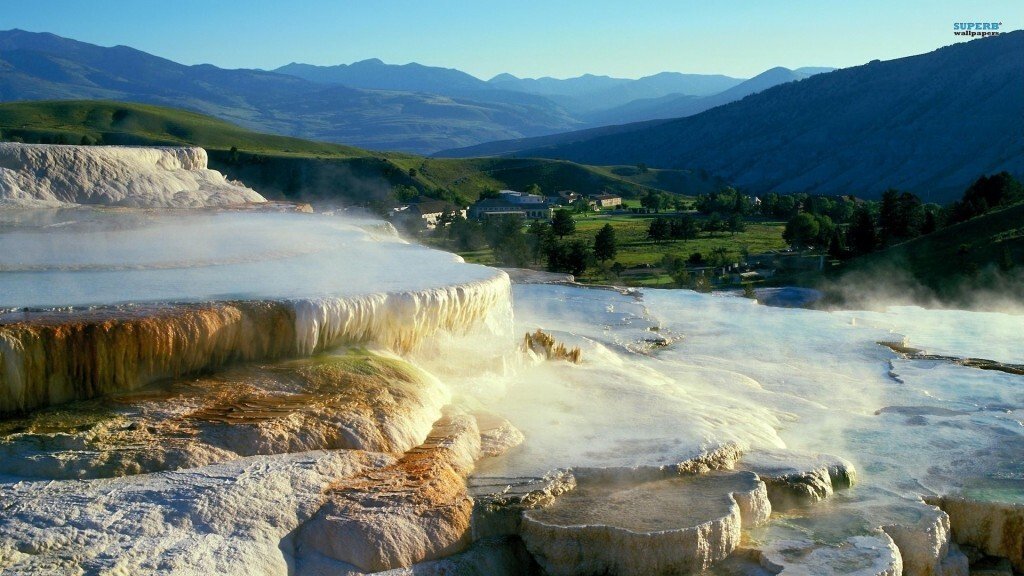
The Romans, skilled in architecture and construction, built further bathing facilities at hot springs following on from the Greeks, and developed more elaborate ways of using water for health by bathing and soaking at different temperatures.
By the 17th century, people in Western cultures began to take renewed interest in using water for health, led by Vincent Priessnitz. However, because Priessnitz had no medical education, he was not trusted by the doctors of his time. The medical community considered these therapies to be based on observation rather than on reasoning and scientific proof, which was the prevailing standard in the development of modern medicine.
In Western society, Professor Winternitz, an Austrian physician renowned for his study of using water to treat disease (what we now call hydrotherapy), took an interest in Priessnitz's work. He studied how body tissues react to water at different temperatures until his work was accepted by the medical community. He later established a centre for research into and development of the use of hot and cold water to treat disease, such as whirlpool therapy and therapeutic exercise in water. This discipline became known as hydrotherapy. Dr Winternitz also founded a school of hydrotherapy, which spread knowledge of the subject and revived the popularity of using water to treat various diseases in Europe. Health resorts using water were revived and redeveloped at hot springs, just as in Roman times. This trend later spread to the Americas, and these health resorts became commonly known as spas.
Hydrotherapy is a discipline that uses water for treatment and relaxation. When practised correctly, it increases muscle strength and improves sensory nerve function, balance and movement. The body also releases "happy hormones" (endorphins), which help you relax, fall asleep more easily and reduce stress.
The properties of water are enormously beneficial to people. Today, they can be combined with exercise to treat, rehabilitate and further improve health. Hydrotherapy is suitable for patients with bone and muscle conditions, such as knee osteoarthritis, neck pain, knee pain, back pain, stiff joints, muscle weakness, hemiplegia, paraplegia and cerebral palsy in children, as well as older adults with mobility problems, pregnant women, and people who need rehabilitation after surgery or after sport.


Information provided by
Dr. Apiporn Garnjanagoonchorn (Dr. Ann)
Rehabilitation physician