Pain on the outside of the knee when running: iliotibial band syndrome
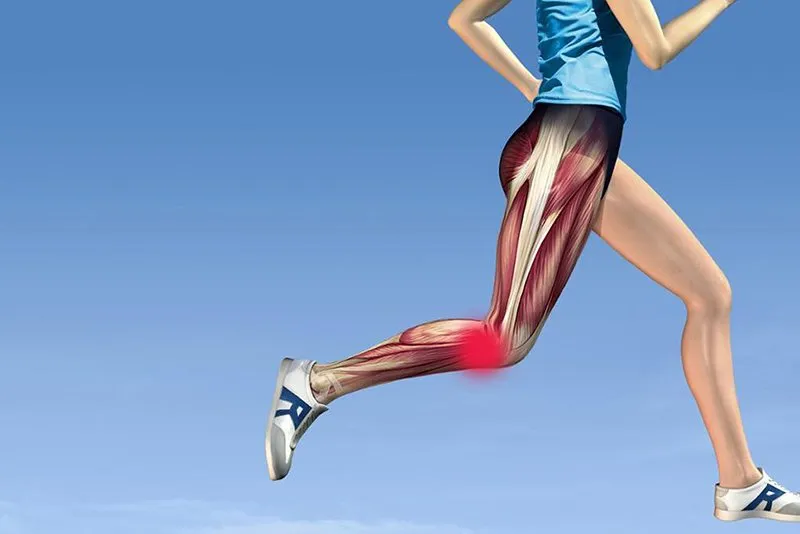
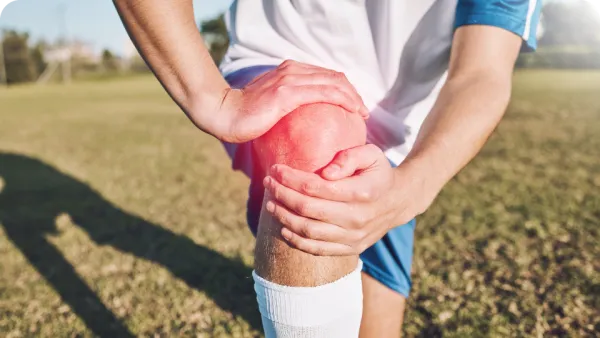
Iliotibial band syndrome (ITB syndrome) is one of the most common conditions among runners and people who love running.
Let's take a brief look at the muscles and structures involved.
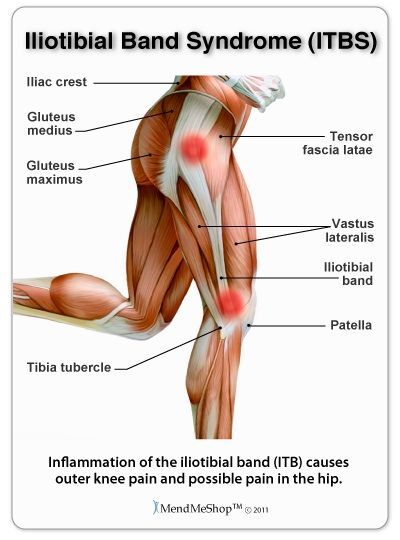
IT band (iliotibial band) is a very thick band of connective tissue that runs from the upper hip down to the outer side of the knee. The ITB connects with the TFL, gluteus maximus, gluteus medius, hamstrings and the outer quadriceps.
Tensor fasciae latae (TFL) is a muscle on the outer side of the hip. It attaches to the front of the pelvis and abducts the leg and rotates it inwards.
Gluteus maximus extends the leg, abducts the thigh and rotates the thigh outwards.
Gluteus medius plays an important role in abducting the hip and helps stabilise the hip joint.
Why does the outside of the knee hurt when running?
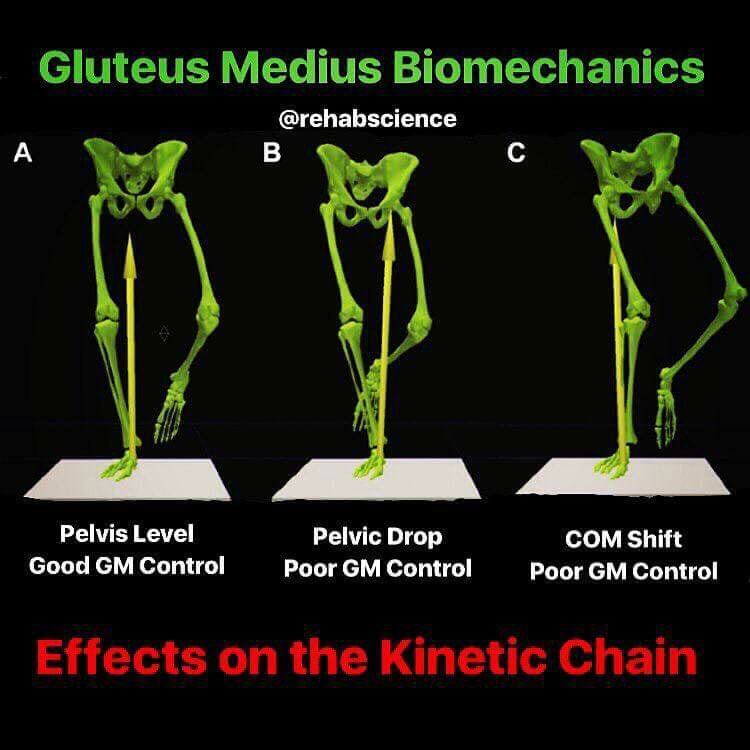
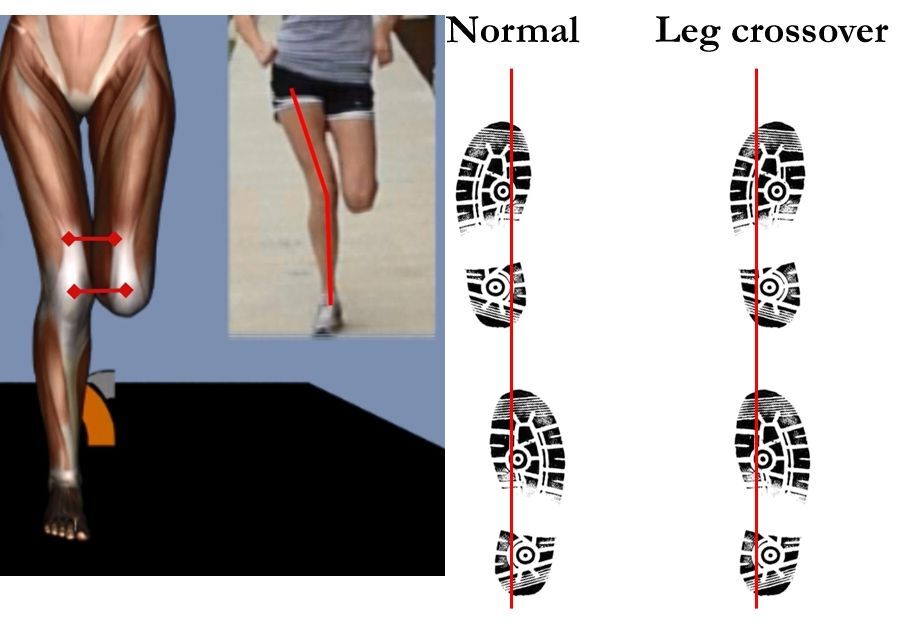
- Weakness of the gluteus medius, the muscle that abducts the hip. As shown in picture B, when standing on one leg, the pelvis on the side of the raised leg drops, the trunk leans away from the standing leg, and the ground reaction force passes more through the inner side of the knee. This makes the iliotibial band (iliotibial band) work harder and also increases the pressure on the inner side of the knee, leading to a cross-over running gait. (Research has found that runners with iliotibial band syndrome angle their legs inwards more when running, which is what a cross-over gait means.)
- Incorrect leg movement, especially when the knee or foot rotates inwards while running
How is it treated?
- If there is swelling, redness and warmth, apply a cold compress to the outside of the knee for 15–20 minutes and rest the leg.
- If the condition is long-standing and there is no swelling, redness or warmth, apply a warm compress to the outer thigh and knee for 15–20 minutes, then stretch the muscles.
Prolotherapy Injection: glucose is injected into the injured or inflamed muscle area to stimulate repair and speed up the body's natural healing and recovery process. The injection is guided by ultrasound, which makes it safer and more accurate and reduces the risk of hitting a nerve.
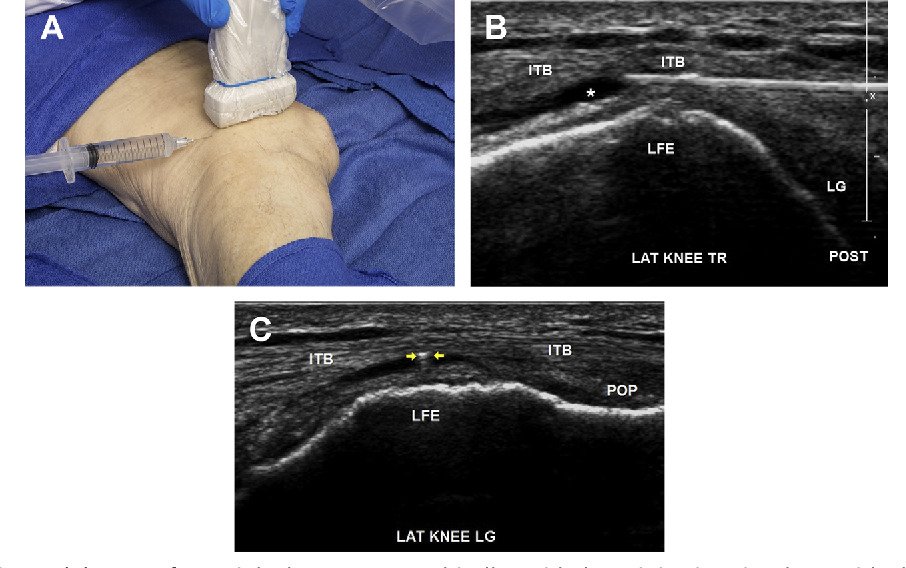
Physical therapy treats the root cause of the problem by directly correcting the problematic bone and muscle structures, helping you return to your daily activities or sport safely and without pain. Physical therapy has advanced greatly, with modern treatment techniques and high-quality technology.
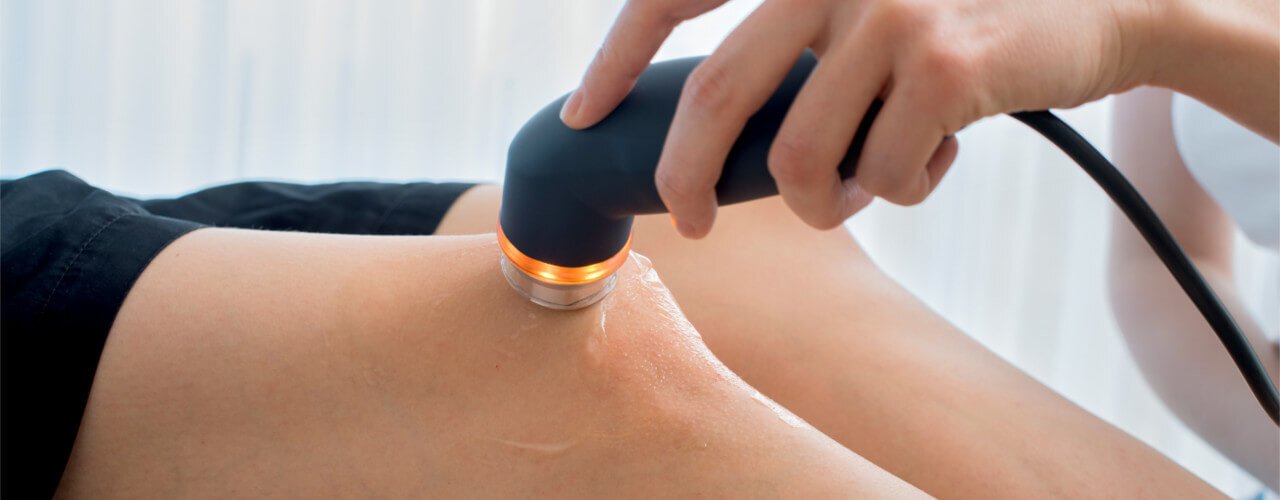
Therapeutic ultrasound helps speed up tissue repair by increasing blood circulation and delivering oxygen and nutrients, the energy sources used in the repair process, to these tissues. You will notice the difference immediately after treatment.
High-power laser therapy helps speed up tissue repair and reduce pain by stimulating the mitochondria, the energy source in tissue cells, to work more efficiently so the tissue repairs itself faster. It is suitable for tissues with a poor fluid or blood supply, such as ligaments and tendons in the body.
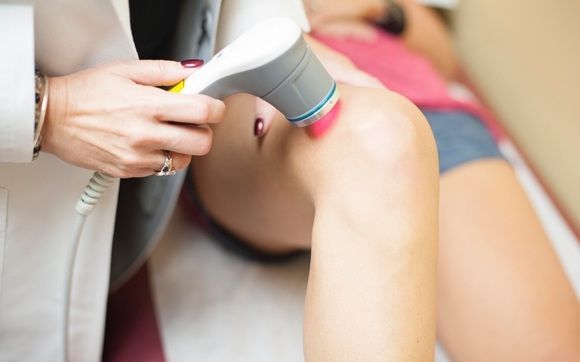
Exercises to strengthen the affected muscles
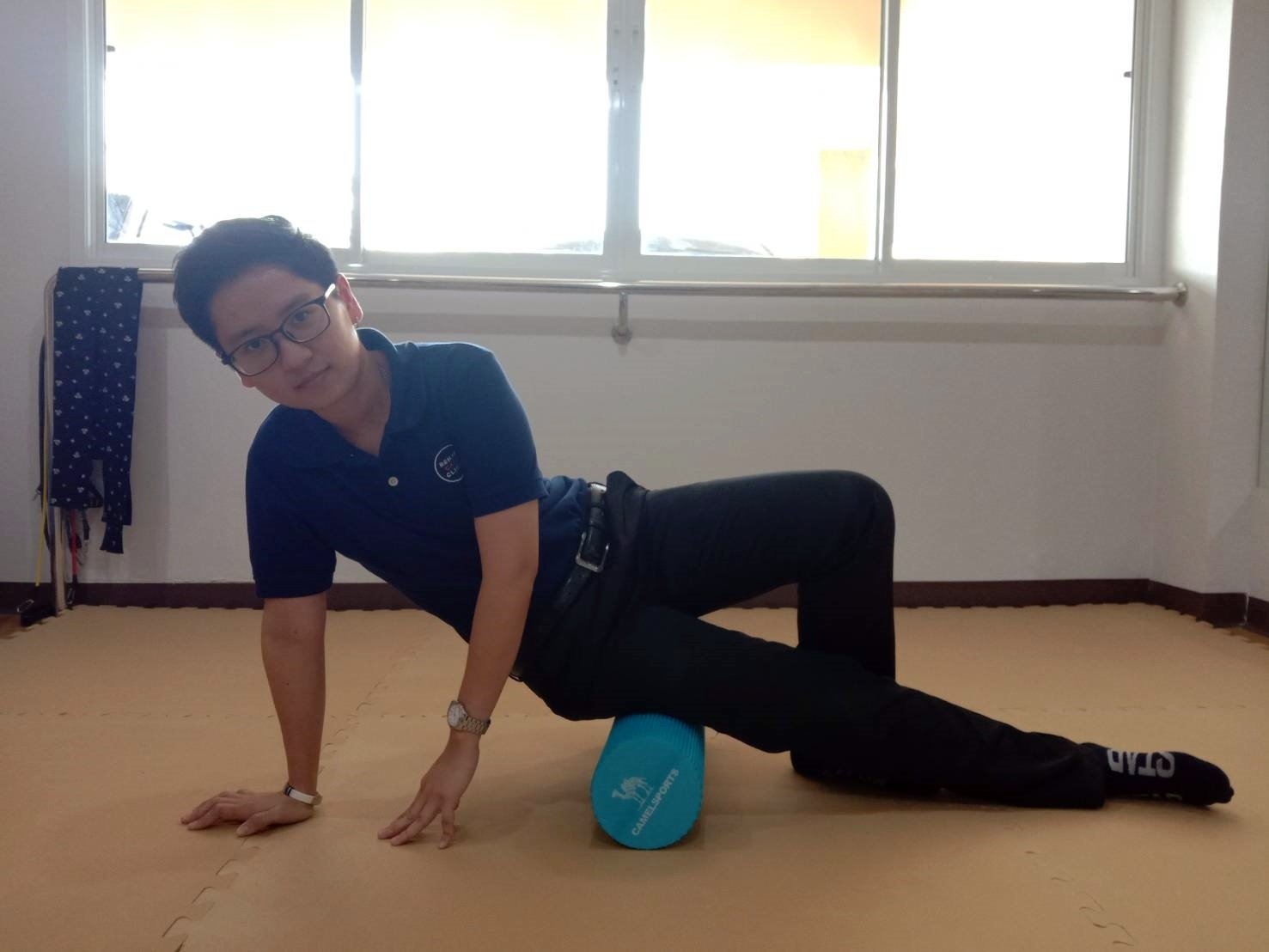
Release tight muscles with a foam roller. Do 10–15 rolls.
*** Do not roll the foam roller directly over the painful area.
Lie on your back with both knees straight. Lift one leg and hold for 3 seconds, then lower it slowly. Do 15 repetitions, 3 sets.
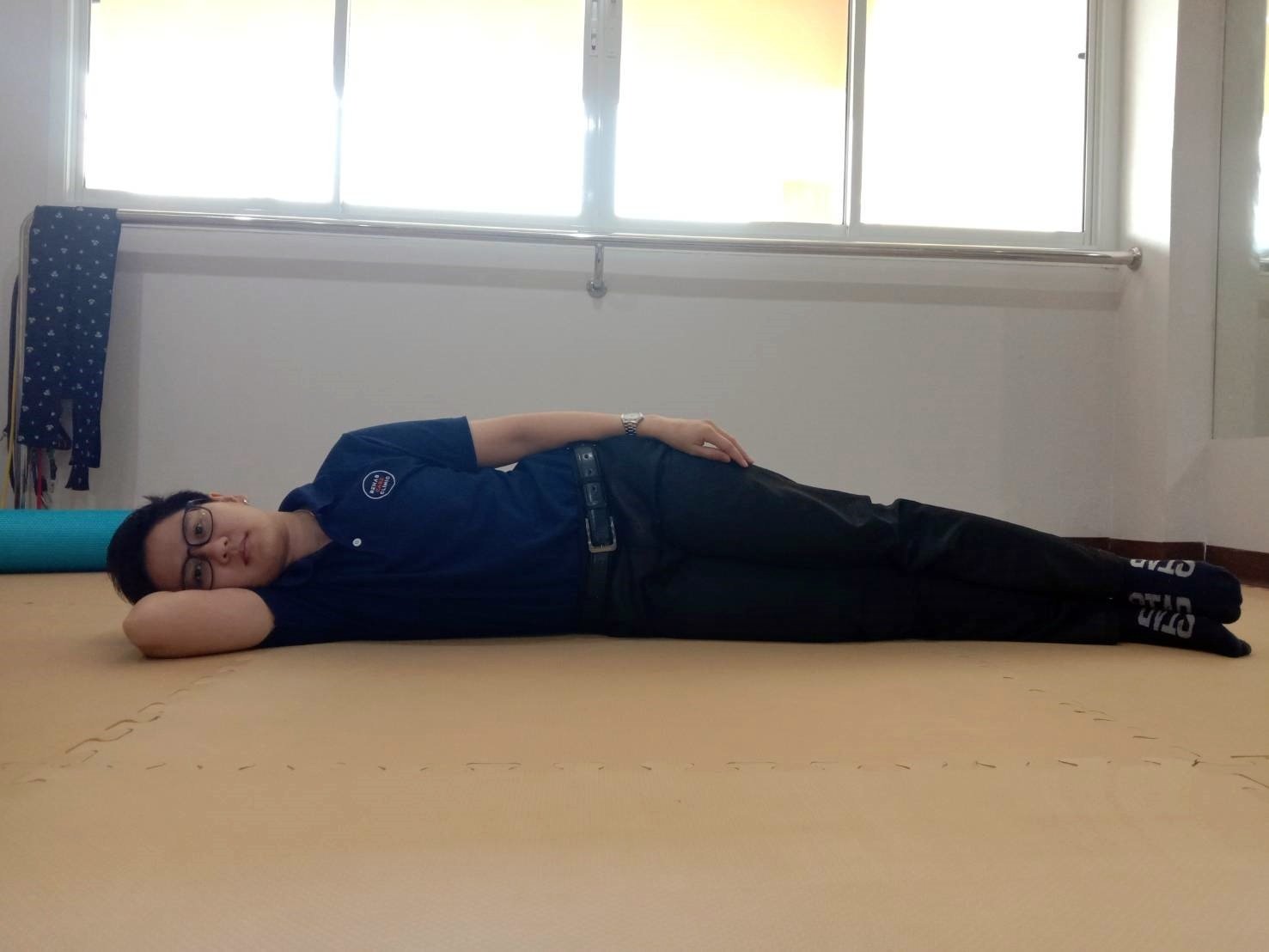
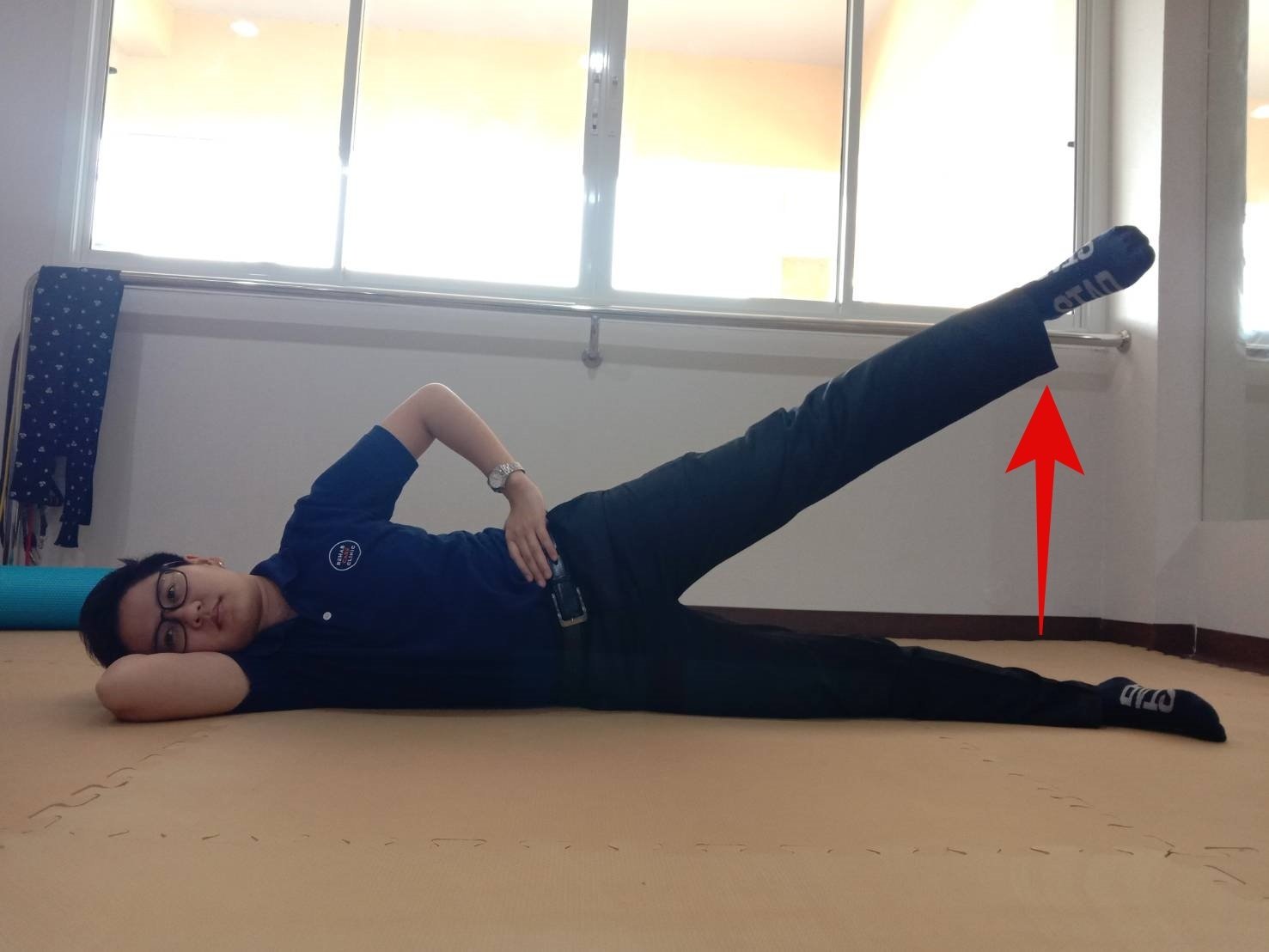
Lie on your back with your knees bent at 45 degrees and a resistance band tied just above your knees. Slowly open your hips outwards, hold for 3 seconds, then bring them back slowly. Do 15 repetitions, 3 sets.
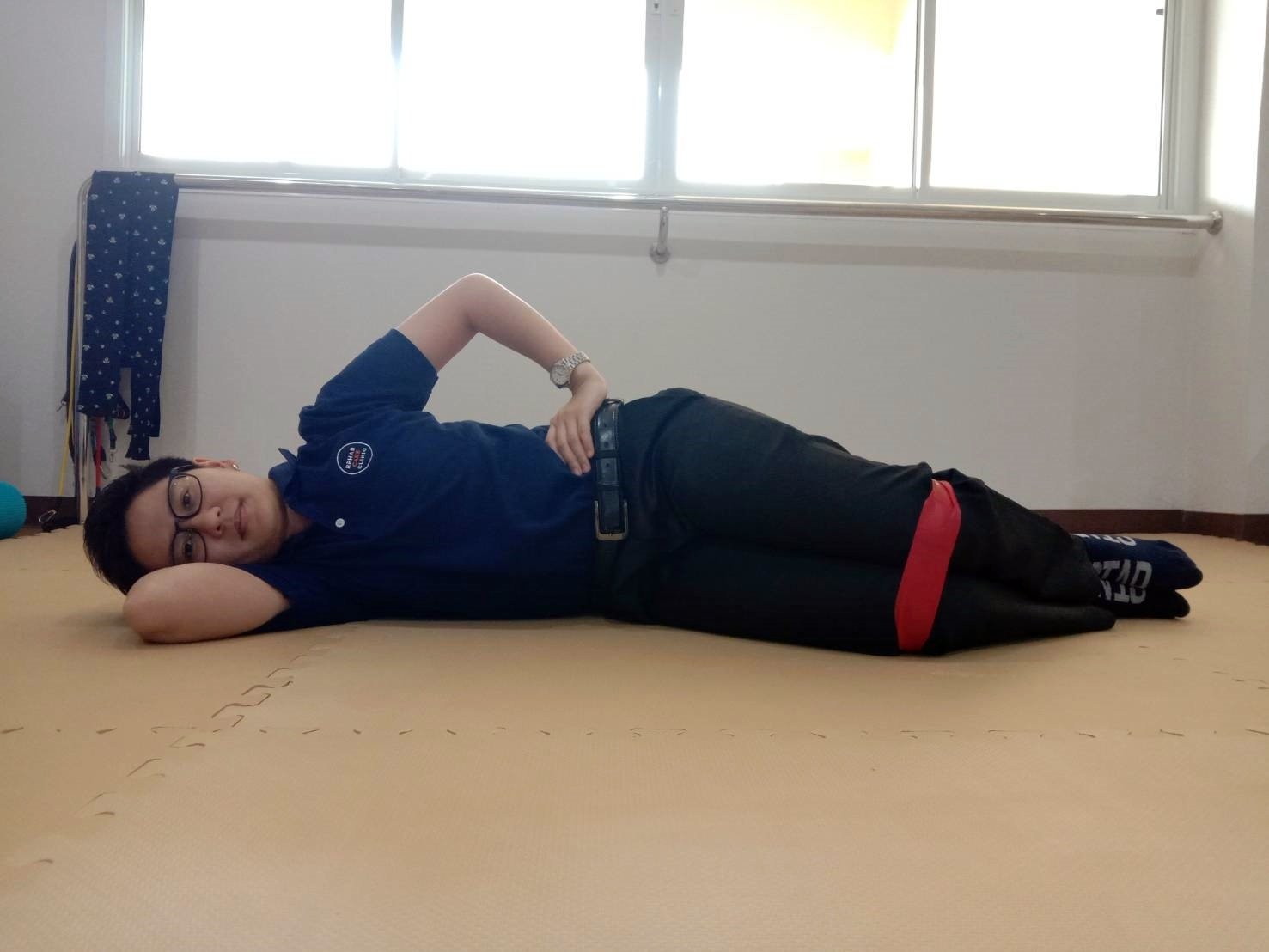
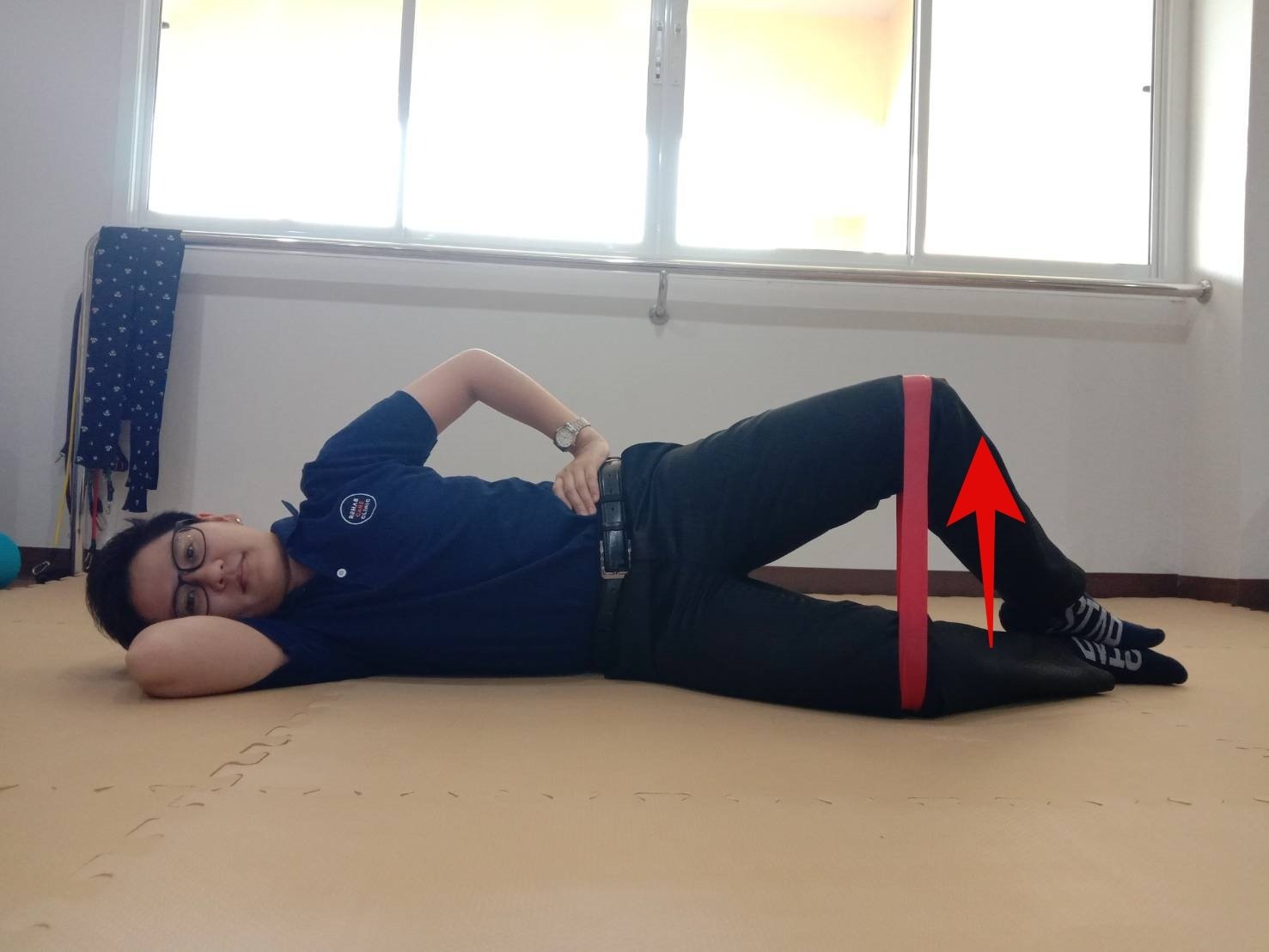
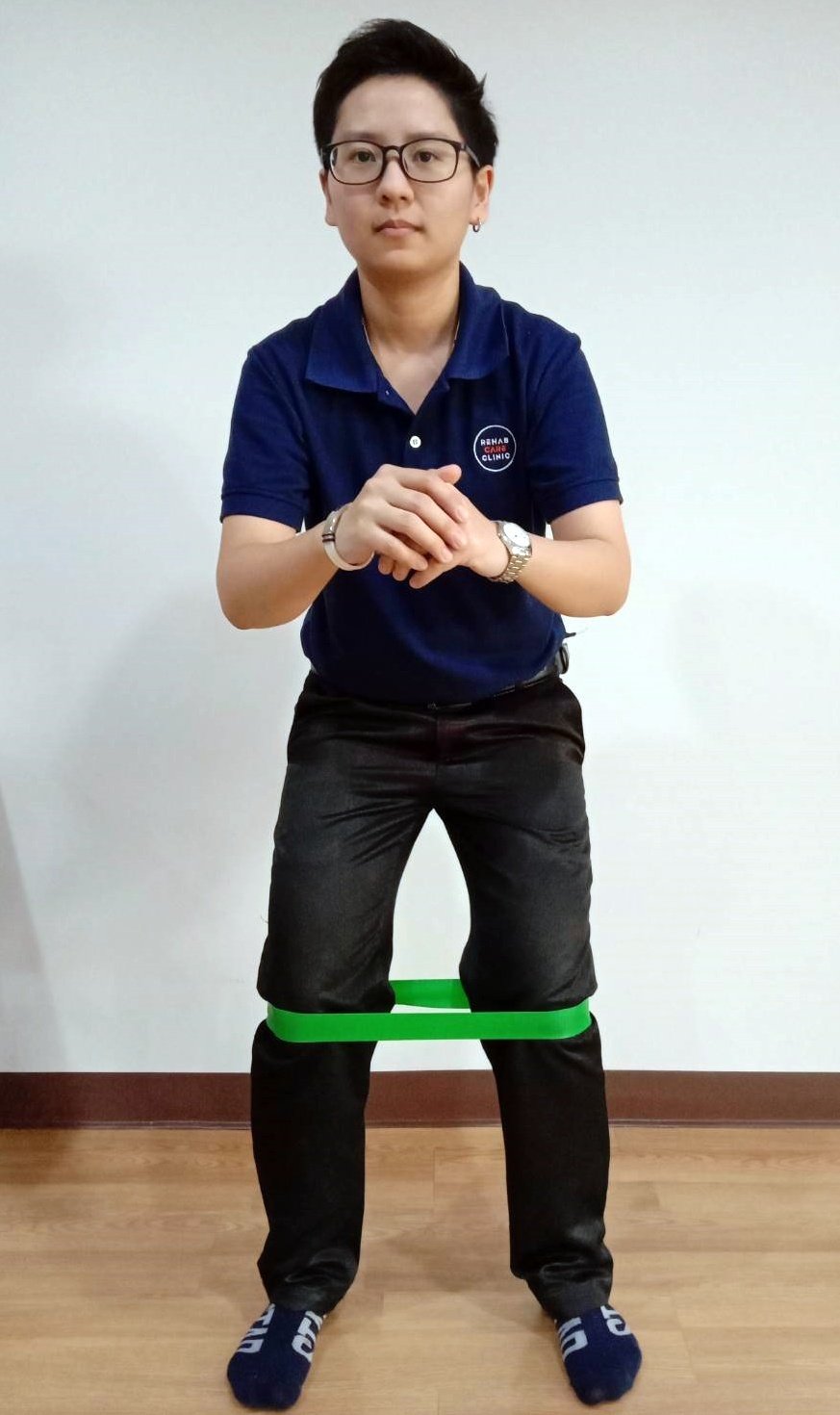
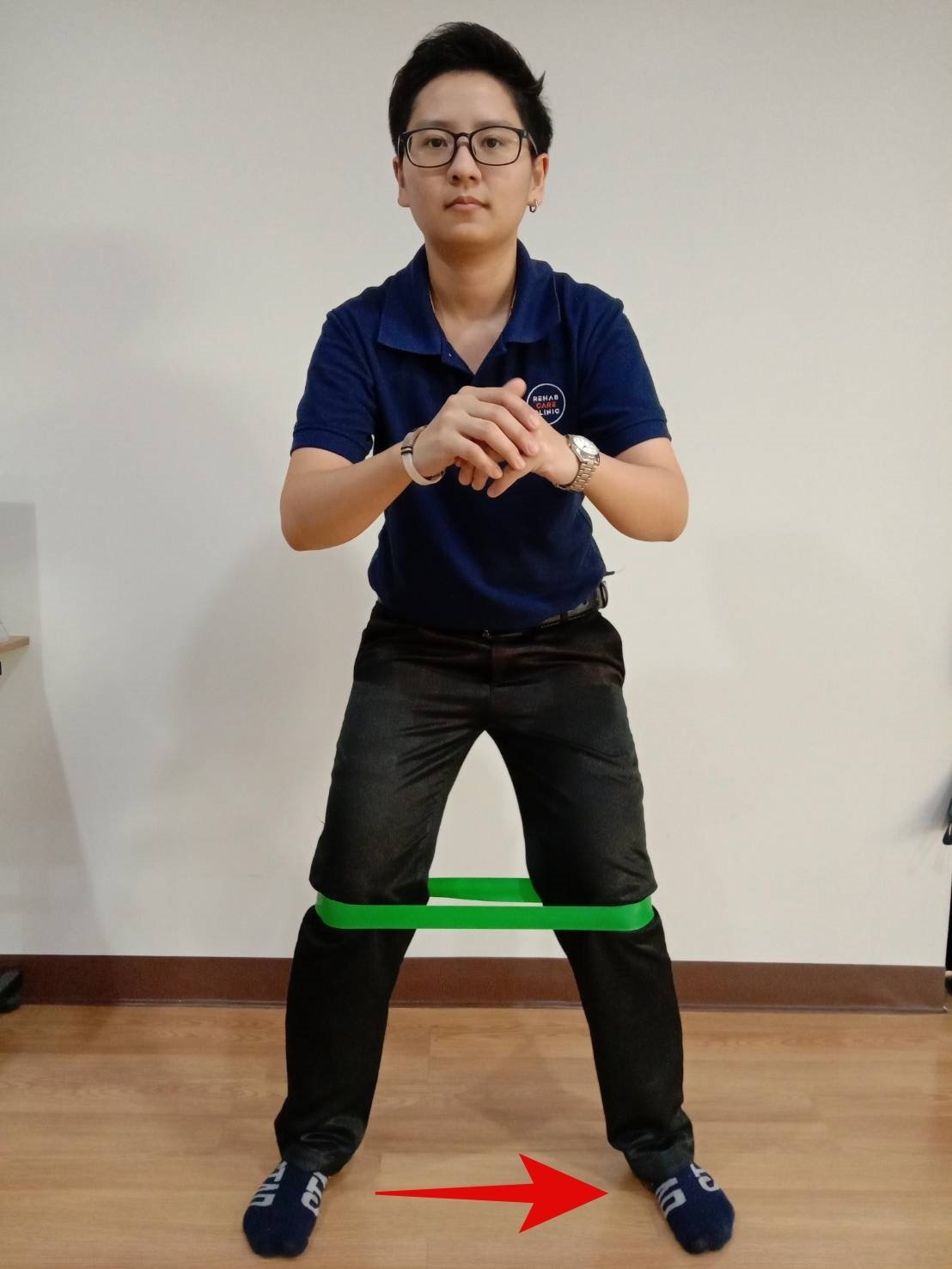
Stand with your feet slightly apart, knees slightly bent and back straight, with a resistance band just above your knees. Slowly step out to the side, hold for 3 seconds, then bring your legs back to the starting position. Do 15 repetitions, 3 sets.
Do not leave an injury untreated for long or assume it will be fine. In fact, the longer you leave it, the harder and longer the treatment will be before it improves. If you wait too long, other parts of your body may be affected as well.
You can contact Rehab Care Clinic to consult our rehabilitation physicians and specialist physical therapists about your health concerns.
For more information, contact "Rehab Care Clinic"
Address: 423 Phetkasem Road, Bang Wa, Phasi Charoen, Bangkok (inside Kanari Sports Center, before Seacon Bang Khae) ? 061-801-2482 Line ID : @rehabcare

Information provided by
Dr. Apiporn Garnjanagoonchorn (Dr. Ann)
Rehabilitation physician