Rounded shoulders and forward head posture: causes and how to fix them
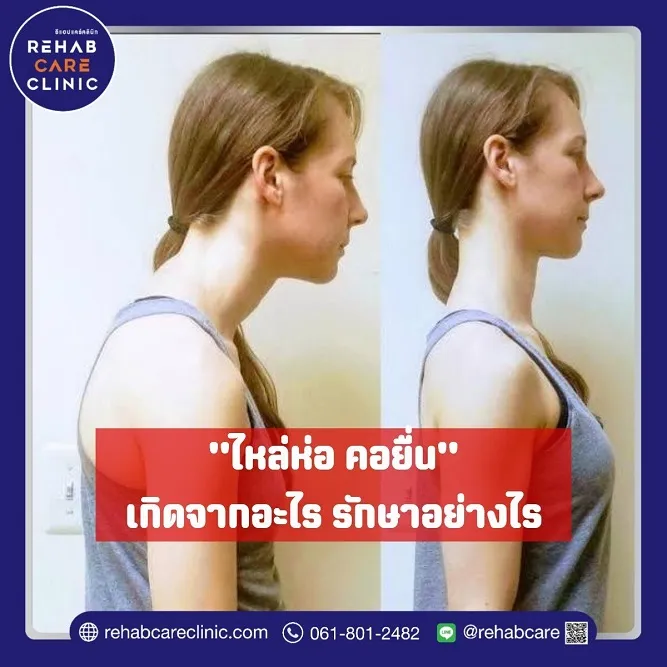
Rounded shoulders with a forward head posture, or upper cross syndrome, is a condition in which the skeletal muscles of the upper body work out of balance. In other words, when we stay in the same position repeatedly for long periods, our muscles start working unevenly, so the external structure of the body adapts in the wrong way and changes noticeably.
Naturally, the longer it is left, the worse it gets, and it also affects how we look and carry ourselves. Some people also experience pain in the muscles of the neck, shoulders and shoulder blades. It is most common in people whose work involves sitting for long periods while focusing on one thing, such as office work or long-distance driving, and it is also seen in school and university students.
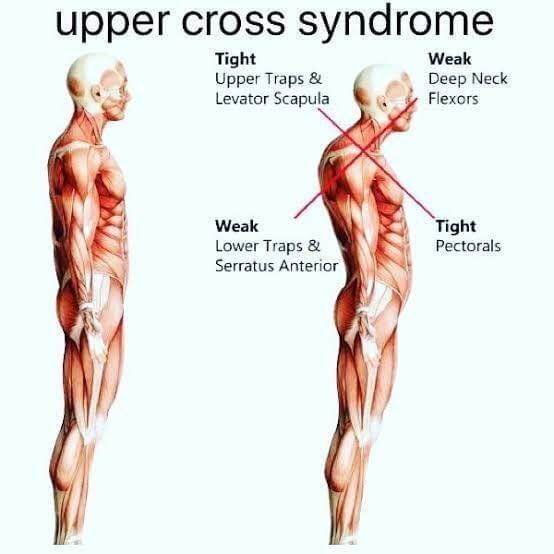
Rounded shoulders with forward head posture, or upper cross syndrome, is caused by an imbalance in the skeletal muscles: some muscles become so tight that they shorten, while others become too weak. This changes the external structure of the body, which is what we call poor posture. Its features are as follows:
- The head and neck jut forward
- The cervical spine curves more than normal
- The shoulders are rounded or hunched forward
- The shoulders are raised
- The thoracic spine is more curved than normal
- The shoulder blades move forward and their inner edges stick out noticeably at the back
Initial treatment and prevention
We need to break the cycle that leads to this condition. That means changing our working habits: avoid staying in the same position for long, move or change position every 1–2 hours, and stretch and exercise as well. We recommend the following stretches and exercises:
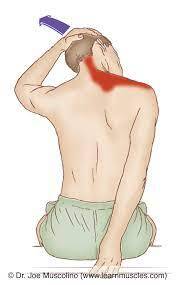
1. Neck and shoulder stretch: sit up straight and look straight ahead. Put one arm behind your back, and with the other hand hold your head and gently tilt it away from the side you want to stretch. Hold for 10 seconds, then release. Repeat 3–5 times.
2. Back of the neck and shoulder stretch: sit up straight and look down towards the leg on the opposite side to the shoulder you want to stretch. Put one arm behind your back, and with the other hand hold your head and pull it forward diagonally at about 45 degrees. Hold for 10 seconds, then release. Repeat 3–5 times.
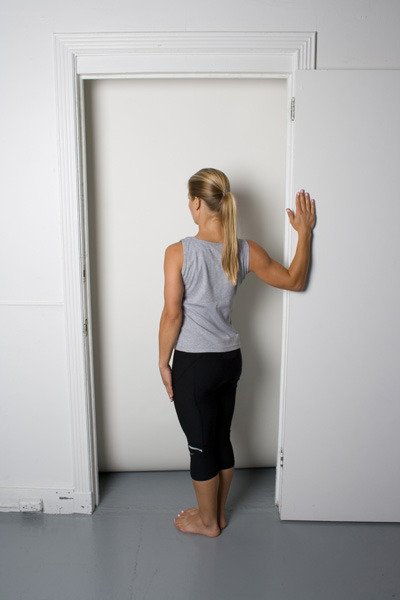
3. Chest stretch: stand beside the corner of a wall, raise one arm and place it flat against the wall at a right angle, then turn your body away from the wall until you feel a stretch in your chest muscles. Hold for 10 seconds, then release. Repeat 3–5 times.
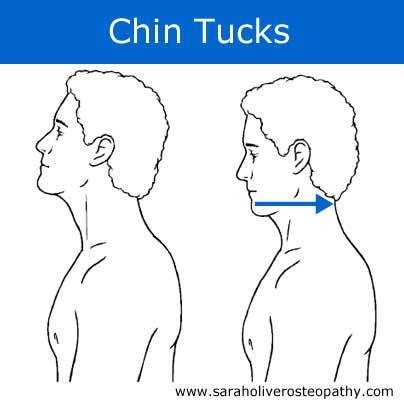
4. Neck exercise (chin-in exercise, or "double chin" exercise): sit up straight and look straight ahead. Use your neck muscles to push your chin straight back while keeping your eyes looking forward the whole time, without tilting your head down or up. Hold for 5 seconds, then release. Repeat 10–20 times in a row, at least 3 sets a day.
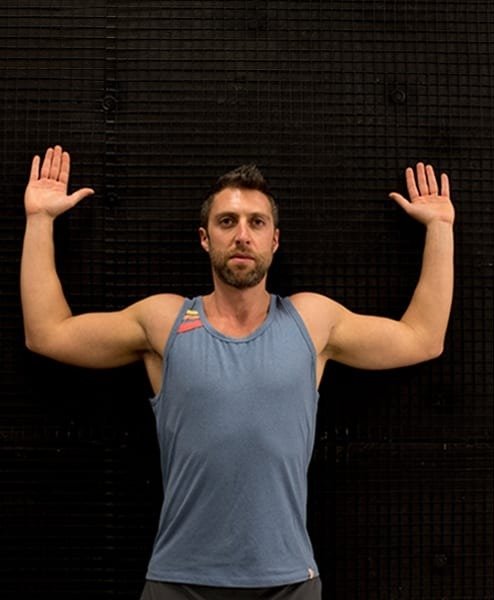
5. Upper back and shoulder blade exercise: sit up straight, raise both arms out to the sides at 90 degrees and bend your elbows. Then squeeze your shoulder blades together while pushing your arms backwards, keeping them raised as before. Hold for 5 seconds, then release. Repeat 10–20 times in a row, at least 3 sets a day. Combine this with posture correction: try to keep your back and neck straight and upright, with your chest slightly open and shoulder blades slightly drawn back, as if you were standing against a wall at all times, and maintain this posture whether you are sitting or standing.
Physical therapy treatment
If you also have pain or would like to consult a physical therapist, the clinic provides treatment using various devices, together with advice on stretches, exercises and posture correction, for example:
- Focused shockwave therapy, which delivers shockwaves to the painful muscles to reduce pain and speed up the body's own repair
- High-power laser therapy, which delivers light energy to the neck, shoulders and shoulder blades to energise the tissues, speed up repair and reduce inflammation
- Electrical stimulation of the neck, shoulder and shoulder blade muscles to reduce pain and relax the muscles
Don't leave it too long. Get treatment and change your habits now, before other problems follow.
For advice on any health concern, contact Rehab Care Clinic, where you will be seen by rehabilitation physicians and specialist physical therapists.
For more information, contact "Rehab Care Clinic"
Address: 423 Phetkasem Road, Bang Wa, Phasi Charoen, Bangkok (inside Kanari Sports Center, before Seacon Bangkae) ? 061-801-2482 Line ID : @rehabcare

Information provided by
Dr. Apiporn Garnjanagoonchorn (Dr. Ann)
Rehabilitation physician