Tennis elbow: outer elbow pain that doesn't only affect tennis players
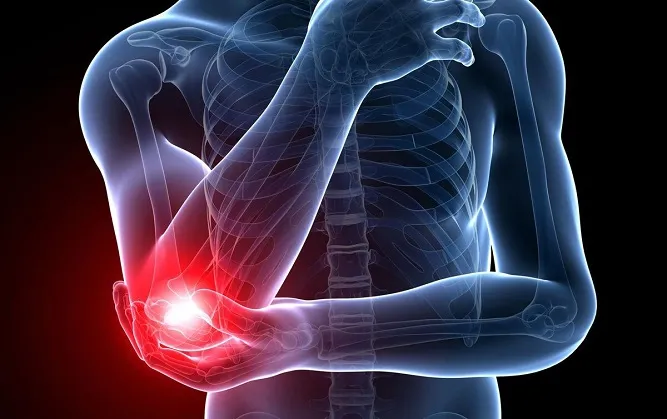
Many people have probably experienced pain on the outer side of the elbow when moving the wrist, especially when bending the wrist upwards, and the pain may get worse when gripping while bending the wrist up. Whether you are an office worker typing at a computer for long hours or a homemaker doing heavy housework, today we will introduce you to a condition called "tennis elbow".
What is tennis elbow?
Tennis elbow / lateral epicondylitis is inflammation of the tendons of the muscles used to bend the wrist upwards (extensor muscle group of the forearm). These muscles originate from the bony bump on the outer side of the elbow (lateral epicondyle). The muscle most commonly affected is the extensor carpi radialis brevis.
Let's get to know the muscle behind the problem.
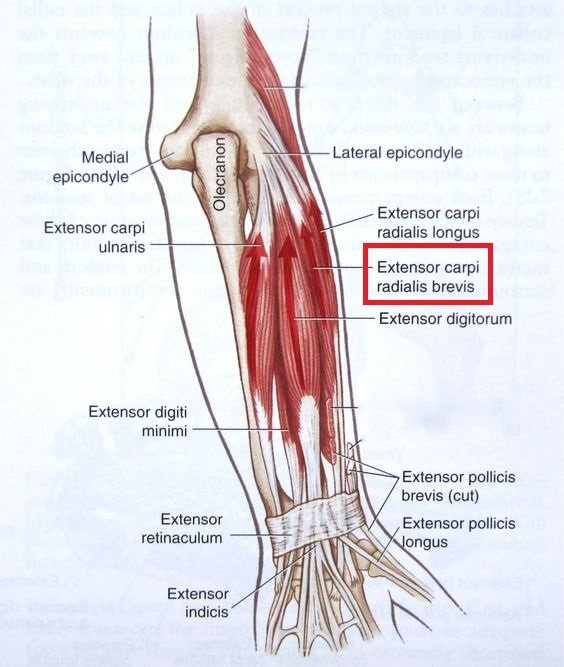
Extensor carpi radialis brevis
Origin : the bony bump on the outer side of the elbow (lateral epicondyle)
Insertion : the base of the third metacarpal bone
Function: bends the wrist upwards (Extend and abduct wrist joint)
Causes of tennis elbow
It is usually caused by repetitive overuse, for example in tennis or badminton players, bending the wrist up to type on a keyboard continuously for long periods, or mechanics who use tools such as pliers or screwdrivers. It can also be caused by forcefully flicking or snapping the wrist upwards, leading to injury or tearing of the tendons around the elbow.
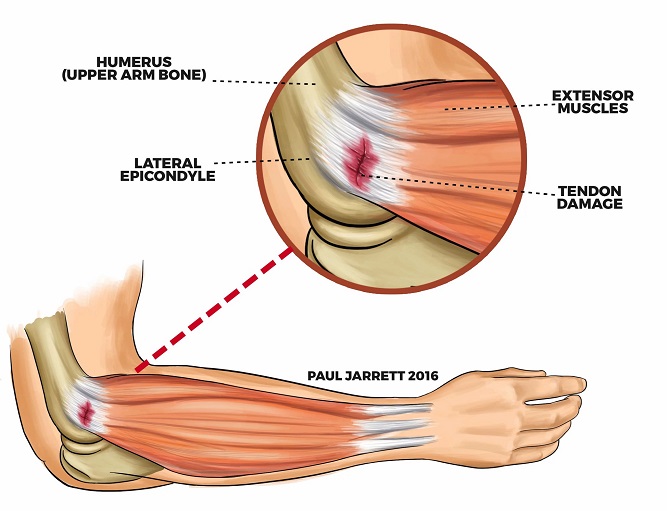
Symptoms of tennis elbow
- Pain over the bony bump on the outer side of the elbow (lateral epicondyle) when moving the wrist. In some cases the pain may radiate along the arm down to the wrist.
- A tender spot over the tendon that attaches to the bony bump on the outer side of the elbow
- In recent cases, there may be swelling, redness and warmth around the elbow.
- In cases of chronic inflammation, there may also be weakness of the muscles around the elbow.
Treatment of tennis elbow
1. Non-surgical treatment
- In the early stage, if there is still swelling, redness and warmth around the elbow, rest the affected arm, avoid activities that trigger the symptoms, and apply a cold compress to the painful area for about 15–20 minutes to help relieve pain and swelling.
- Non-steroidal anti-inflammatory drugs (NSAIDs) to help reduce inflammation and relieve pain
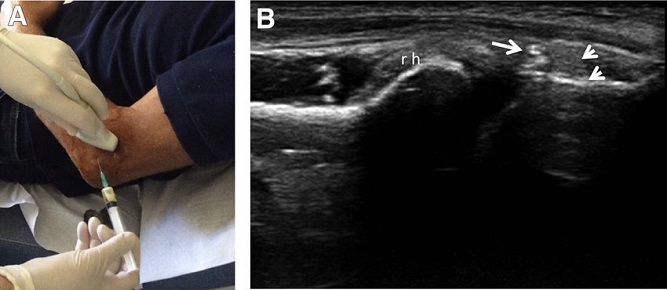
- Platelet-rich plasma (PRP): platelets, proteins, growth factor hormones and cells are extracted from the bloodstream and injected back into the injured or inflamed area, which helps heal and repair the injured tissue.
- Prolotherapy injection: glucose is injected into the injured or inflamed muscle area to stimulate repair and accelerate the body's natural healing and recovery process. The injection is guided by ultrasound, which makes it safer and more accurate and reduces the risk of hitting a nerve.
- Physical therapy
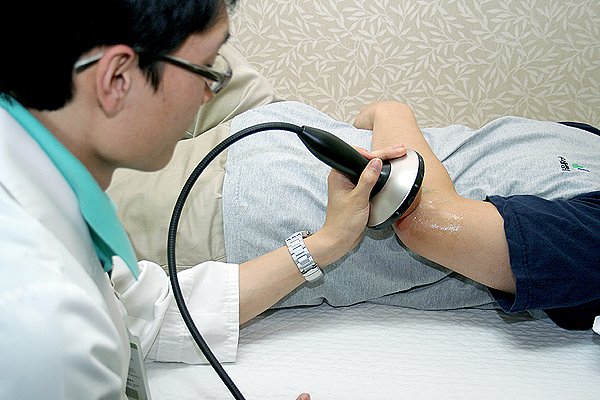
Shockwave therapy : shockwaves are transmitted into the injured area to stimulate the body's process of repairing and regenerating tissue.
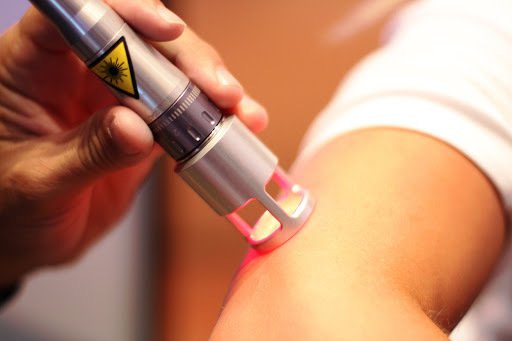
High-power laser therapy : stimulates the nerve endings, inhibiting the pain process and reducing pain, swelling and inflammation. The laser also has a heating effect that dilates the blood vessels, bringing more blood and oxygen to the cells, speeding up the removal of waste products and helping to reduce inflammation. Most importantly, the laser's key strength is boosting cellular energy (ATP) by speeding up oxygen transport and mitochondrial activity within the cells. The increase in ATP allows the cells to repair and recover more quickly.
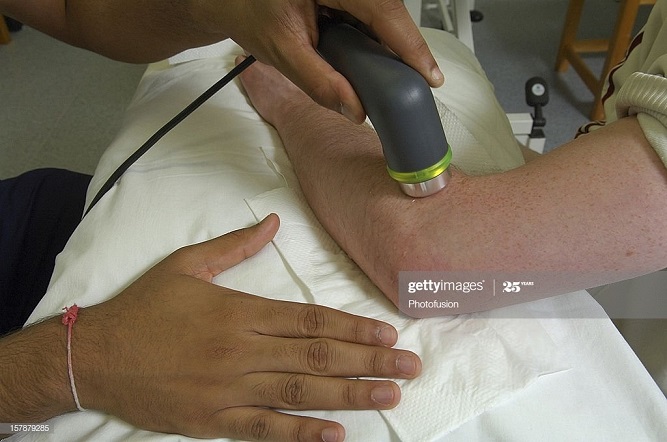
Ultrasound therapy : helps treat injuries to tendons or tissues and accelerates repair by increasing blood circulation and making connective tissue more flexible, while reducing pain and muscle spasm.
2. Surgical treatment
- If symptoms do not improve at all within 6–12 months of other treatments, the doctor may consider and recommend surgery.
Basic exercises for people with tennis elbow
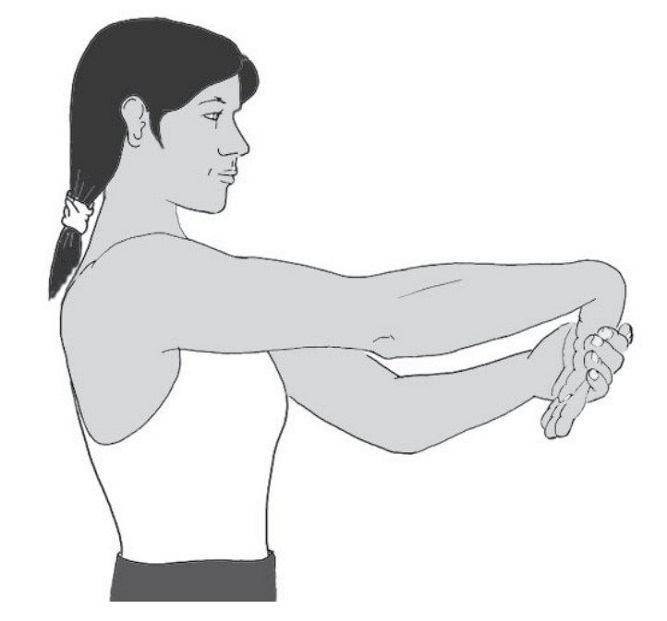
1. Wrist flexors stretch
How to stretch : With your palm facing up, bend your wrist back and straighten your elbow. Use your other hand to help bend the wrist back. Hold for 15 seconds and repeat 3–5 times.
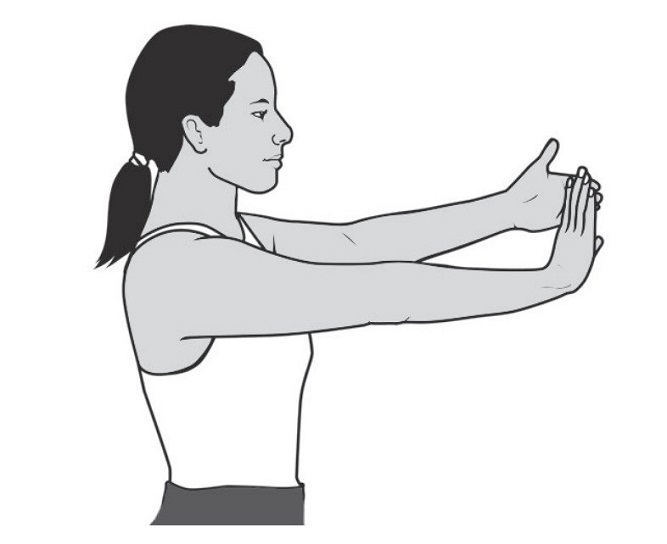
2. Wrist extensors stretch
How to stretch : With your palm facing down, bend your wrist down and straighten your elbow. Use your other hand to help bend the wrist. Hold for 15 seconds and repeat 3–5 times.
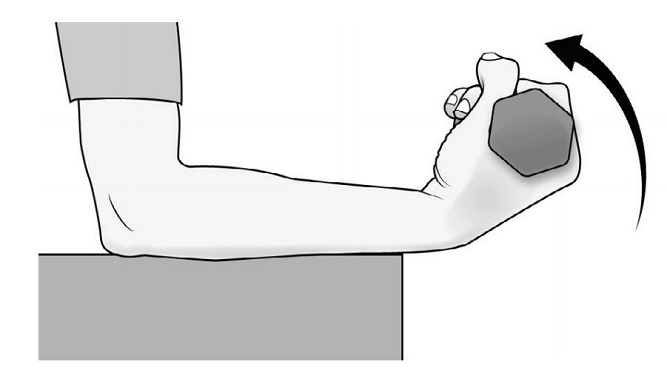
3. Wrist flexors strengthening
How to do it : Bend your elbow at 90° by your side, holding a dumbbell or water bottle weighing about 1 kg. With your palm facing up, bend your wrist upwards. Do 10 repetitions, 3 sets.
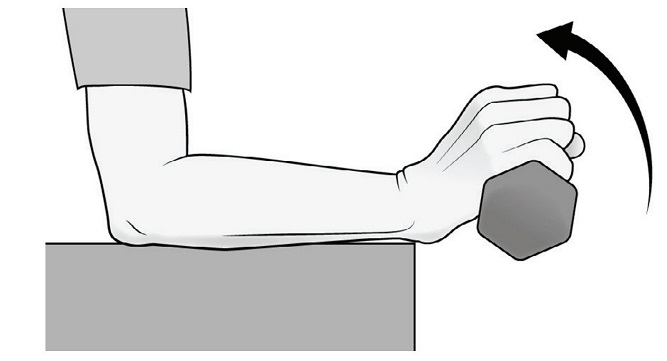
4. Wrist extensor strengthening
How to do it : Bend your elbow at 90° by your side, holding a dumbbell or water bottle weighing about 1 kg. With your palm facing down, bend your wrist upwards. Do 10 repetitions, 3 sets.
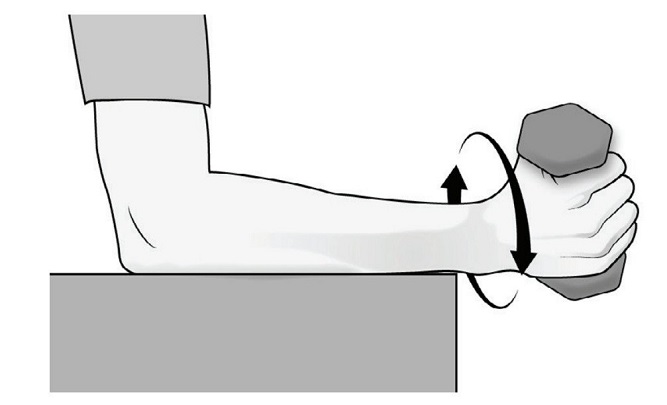
5. Wrist rotation strengthening (Supinator & pronator strengthening)
How to do it : Bend your elbow at 90° by your side, holding a dumbbell or water bottle weighing about 1 kg. Turn your palm up and then down alternately. Do 10 repetitions, 3 sets.
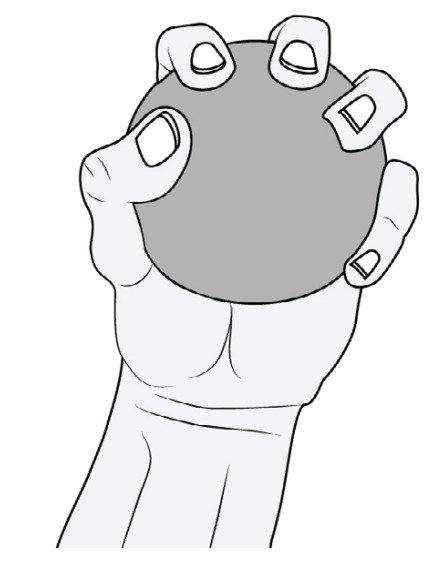
6. Ball squeeze
How to do it : Squeeze a ball and hold for 5 seconds. Repeat 10 times, 3 sets.
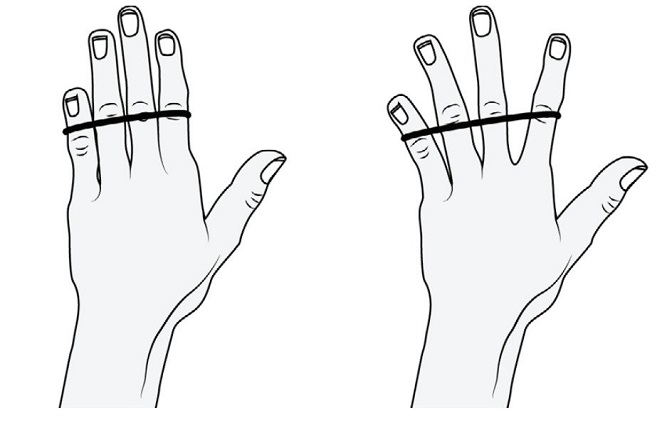
7. Finger spread
How to do it : Place a resistance band or rubber band around your fingers and spread them apart. Hold for 5 seconds. Repeat 10 times, 3 sets.
You can contact Rehab Care Clinic for advice on your health problems from our rehabilitation physicians and specialist physical therapists.
For more information, contact "Rehab Care Clinic"
Address: 423 Phetkasem Road, Bang Wa, Phasi Charoen, Bangkok (inside Kanari Sports Center, before Seacon Bang Khae) ? 061-801-2482 Line ID : @rehabcare

Information provided by
Dr. Apiporn Garnjanagoonchorn (Dr. Ann)
Rehabilitation physician