
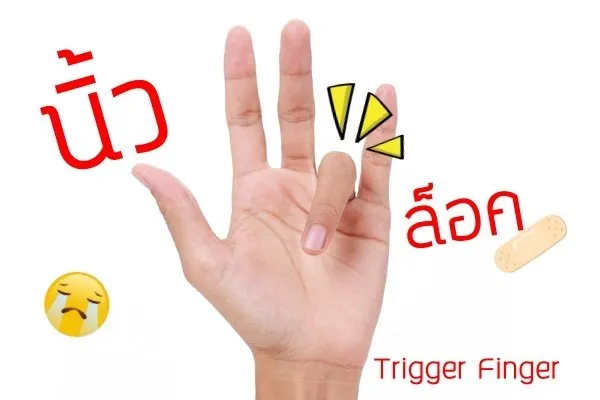
Trigger finger: a condition nobody wants
Causes of trigger finger
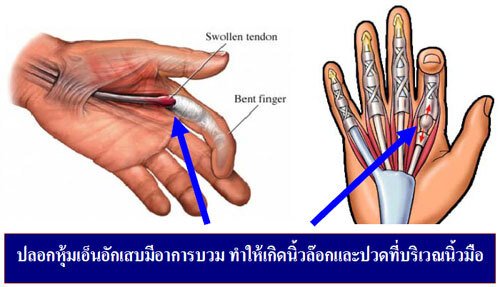
Trigger finger occurs when the tendon sheath in the finger becomes inflamed and thickened, so the tendon and its sheath can no longer move normally as the finger straightens or bends.
Risk factors for trigger finger
- Carrying objects that are too heavy, such as baskets, plastic bags or buckets of water
- Wringing out or washing a lot of laundry by hand
- Jobs or activities that involve using the hands to bear weight for long periods and repeating the same movements frequently, such as gardening, pruning trees, using a screwdriver or using tools that require pressing force
- It is more common in women than in men.
- It occurs most often in people aged 40–60.
- People with health conditions such as rheumatoid arthritis (Rheumatoid Arthritis), gout and diabetes
- Playing sports such as golf and tennis, which carry a higher risk of trigger finger than other sports
Symptoms of trigger finger
Trigger finger usually affects the thumb, middle finger or ring finger, and may affect several fingers at the same time. It occurs when a finger tries to bend while the hand is exerting force. When a finger locks, you may experience the following symptoms.
- A clicking or catching sensation when bending or straightening the finger
- Finger stiffness, usually in the morning, with a feeling of tightness
- A lump at the base of the affected finger
- The finger bends easily but is difficult to straighten
- In long-standing cases, wasting of the muscles that straighten the fingers
Trigger finger has four levels of severity
Grade 1: Pain at the base of the finger due to tendon inflammation, with occasional stiffness when bending and straightening the finger after waking up or in cold weather. After moving the fingers for a while, it becomes easier to make a fist.
→ Anti-inflammatory medication, soaking in warm water, physical therapy
Grade 2: Stiffness every time the finger moves, worse when straightening the finger, along with pain.
→ Physical therapy
Grade 3: The finger becomes harder to straighten and you need to use your other hand to straighten it, with a popping sound as it straightens.
→ Physical therapy, injections
Grade 4: The most severe level. The finger stays bent and can no longer be straightened at all, because the nodule on the tendon has become so large that it cannot pass through the tendon sheath. If the finger stays bent for a long time, it will eventually become deformed.
→ Injections, surgery
Trigger finger can be treated and completely cured. However, if it is left untreated for a long time, a joint that is stuck and cannot bend may stiffen and lead to a permanent joint contracture, even after treatment. You should therefore not leave grade 3 or grade 4 symptoms untreated for long.
Initial self-care
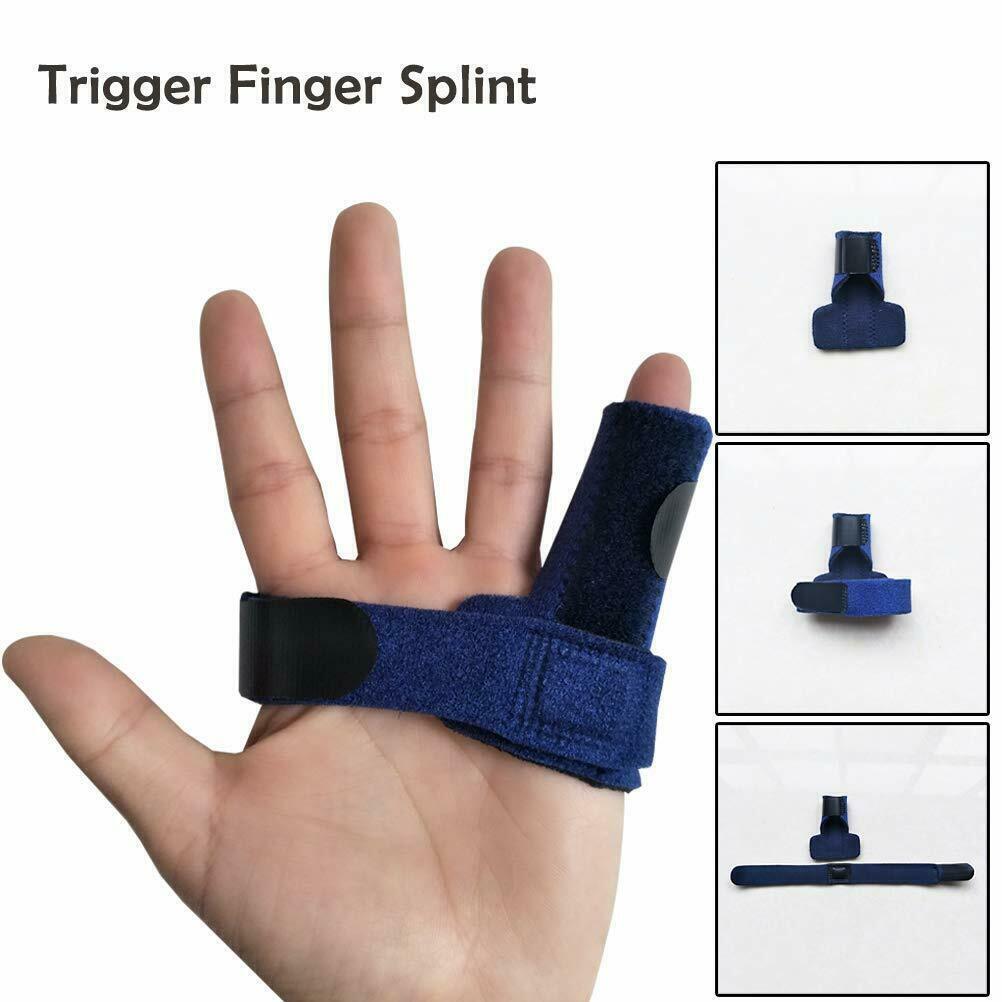
- Rest the painful finger by wearing a finger splint to reduce its use and stop the pain progressing to a fully locked finger.
- Soak your hand in warm water every day, morning and evening, for at least 15–20 minutes.
- Avoid lifting heavy objects, gripping hard with your fingers or any activity that causes friction on the fingers. If you cannot avoid it, wear gloves.

- Stretch your fingers every hour so that the tendons and muscles relax and the pain eases, using the following exercises.
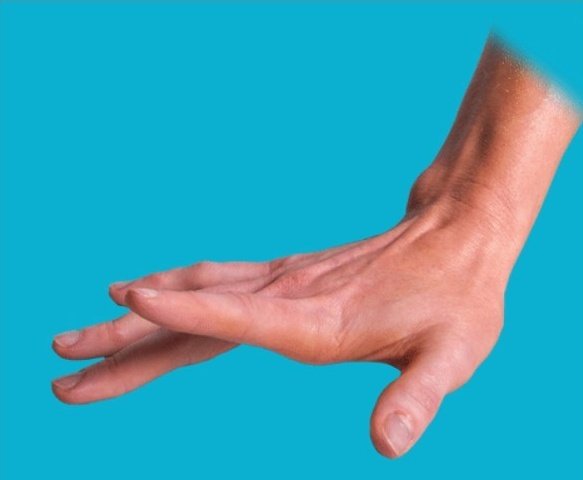
1. Place your hand flat on a surface, then lift each finger one at a time until you have lifted all five. Repeat 3–5 times.
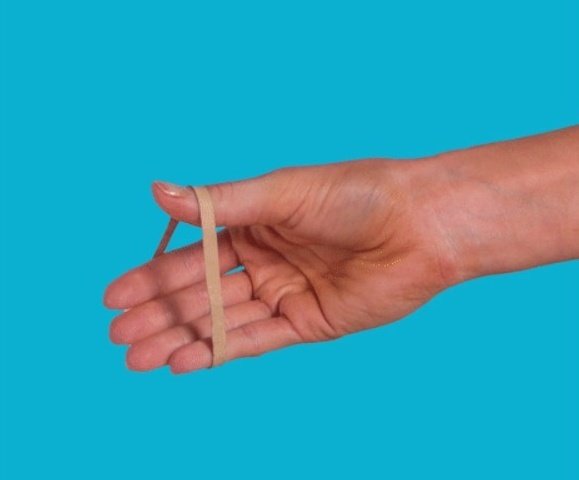
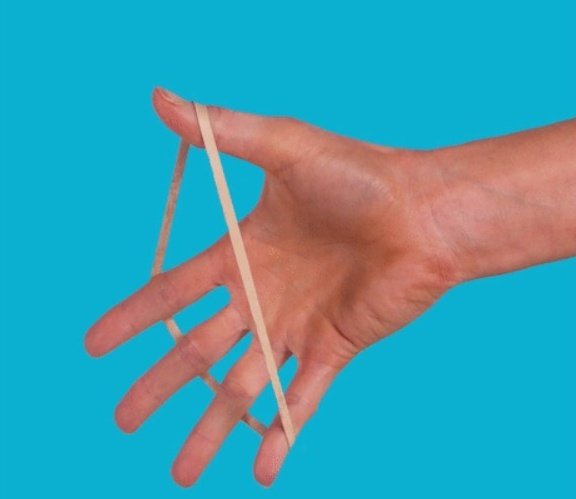
2. Place a rubber band around your fingers as shown, then slowly spread all five fingers apart. Do 10 repetitions, 3 sets.
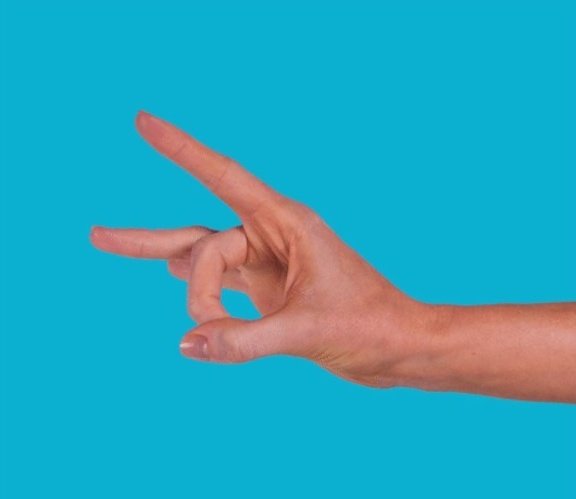
3. Make an "OK" sign, then slowly straighten your fingers. Do 10 repetitions, 3 sets.
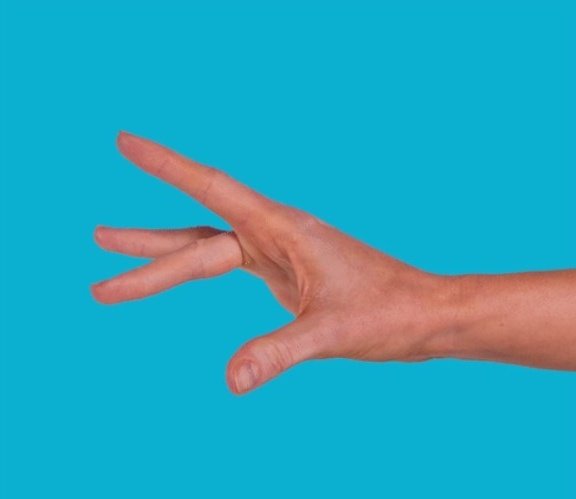
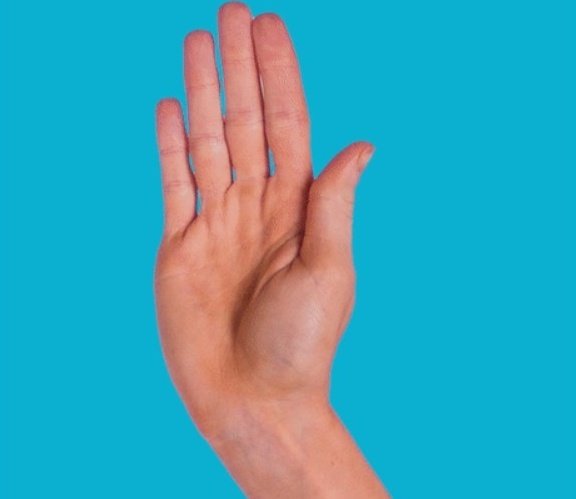
4. Open your palm and slowly bend your index, middle, ring and little fingers down, then slowly make a fist, and then slowly release your thumb. Do 10 repetitions, 3–5 sets, as shown.
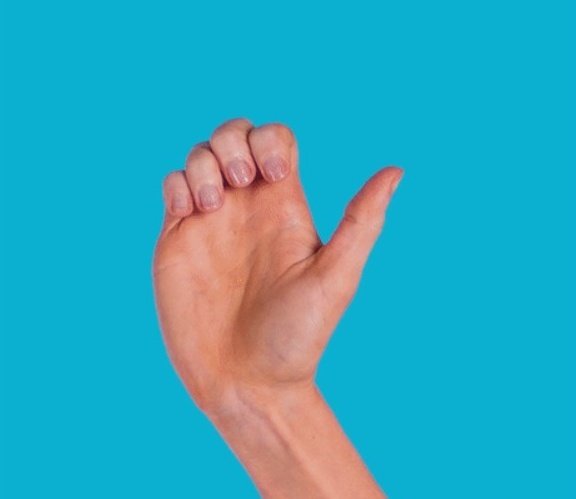

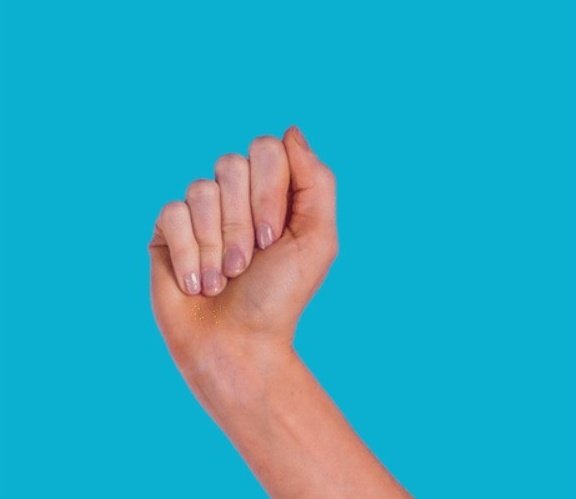
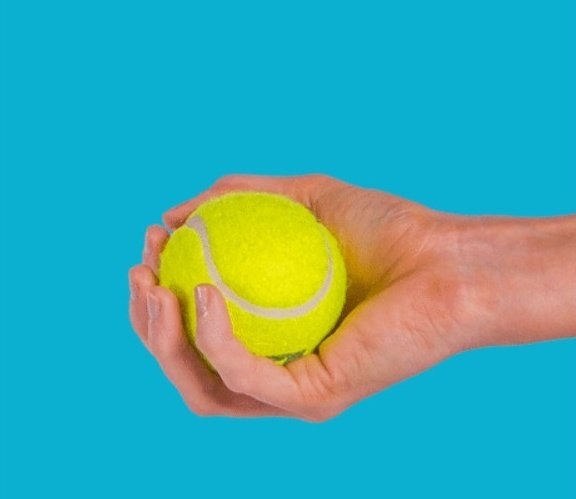
5. Slowly squeeze a ball or tennis ball. Do 10 repetitions, 3–5 sets.
At Rehab Care Clinic, our rehabilitation physicians plan a treatment programme together with our physical therapists. This may include high-power laser therapy to reduce pain, exercises for dysfunctional muscles to correct posture and strengthen the body, and prolotherapy and vitamin injections depending on the symptoms and severity of the condition, to stimulate the body to repair itself without the need for surgery.
If you have any questions, you can consult Rehab Care Clinic directly. The clinic has rehabilitation physicians and physical therapists who are always available to advise you.
For more information
Address: 423 Phetkasem Road, Bang Wa, Phasi Charoen, Bangkok (inside Kanari Sports Center, before Seacon Bang Khae) ? 061-801-2482 Line ID : @rehabcare

Information provided by
Dr. Apiporn Garnjanagoonchorn (Dr. Ann)
Rehabilitation physician