What is acupuncture, what does it treat, and what are the 2 types of needling?
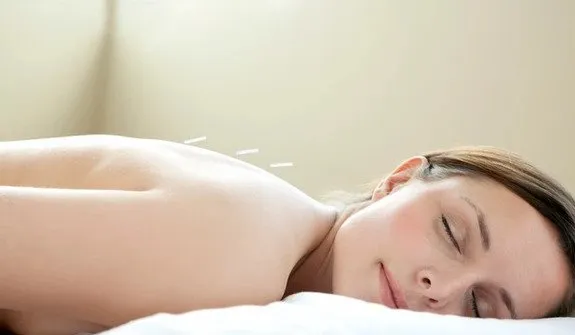
Needling is often misunderstood as being just one thing: inserting hair-thin needles into the body, whether on the head, body, back, arms, legs or even the face. Some doctors pass an electrical current through the needles, some insert needles all over the body, and some insert the needles and twist them. There are also ideas about needling to look younger, to lose weight, to increase height or to stimulate breast milk. Let's take a look at what it really is and how it works.
The first type, which most of us probably know better, is Chinese acupuncture (Acupuncture), and the other is Western needling (Dry Needling). Understanding the difference between the two helps us make an initial decision about what condition we have, what symptoms we have and which treatment suits us. Let's find out together. Now let's look at how the two methods differ.
- First, they have different goals and philosophies. Western dry needling aims to reduce muscle pain and tightness, so the needles are inserted into the painful points to help release the muscles in that area. Chinese acupuncture, on the other hand, is based on the belief that the body recovers and heals itself when its energy flows well, so it is used to stimulate the circulation of blood and energy and to stimulate the nervous system as a whole.
- Second, the length of time the needles stay in. In Chinese acupuncture the needles are usually inserted and left in place for about 15–30 minutes, whereas Western dry needling does not focus on leaving the needles in, because the aim is to release tight or painful points. It is therefore suitable for treating people with chronic and acute pain without the need for medication.
- Third, they have different origins and histories. Chinese acupuncture originated in China and is part of traditional Chinese medicine dating back thousands of years, whereas Western dry needling is a modern medical technique that was developed in the 1980s.
In summary, although they look the same from the outside, with needles being inserted, they are in fact very different. Western dry needling aims to reduce muscle pain and tightness by inserting needles into the painful, tight points. It is suitable for people with neck pain, shoulder pain, back pain, the very common office syndrome, heavy computer users, gamers, and leg pain from lots of walking, driving or running or from sports injuries. Chinese acupuncture can also treat various types of pain, such as knee pain and back pain, as well as conditions related to the internal organs, such as digestive disorders, neck pain, period pain, allergies, migraine, stress-related conditions and post-surgical pain.
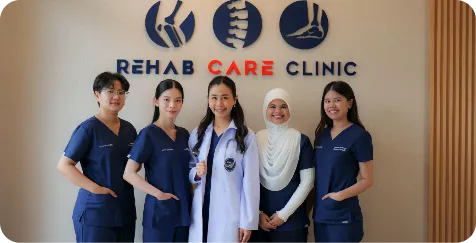
In Thailand, every rehabilitation medicine specialist is qualified to perform Western dry needling, but Chinese acupuncture requires separate specialist training in Chinese acupuncture. REHAB CARE clinic is honoured to have a rehabilitation medicine professor who is an expert in Chinese acupuncture from Ramathibodi Hospital seeing patients every Wednesday from 15:30 to 18:30, to advise anyone interested in Chinese acupuncture for better health and quality of life. To book an appointment, please call 061-801-2482.

Information provided by
Dr. Apiporn Garnjanagoonchorn (Dr. Ann)
Rehabilitation physician