
What really causes inner knee pain? Part 1
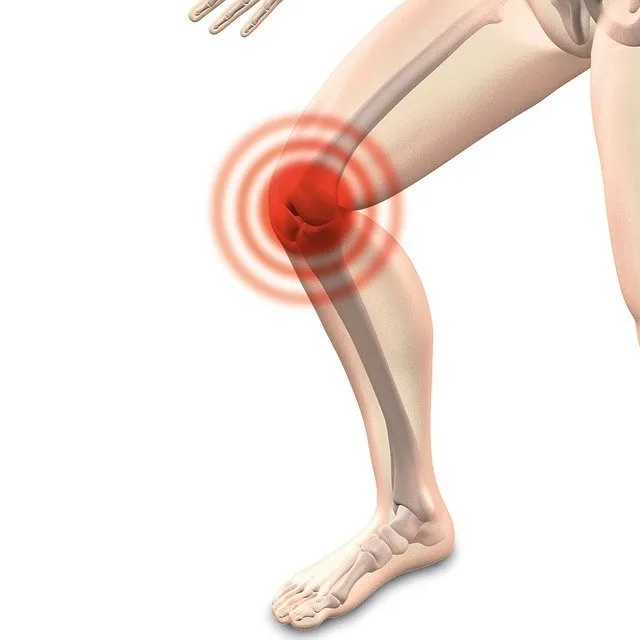
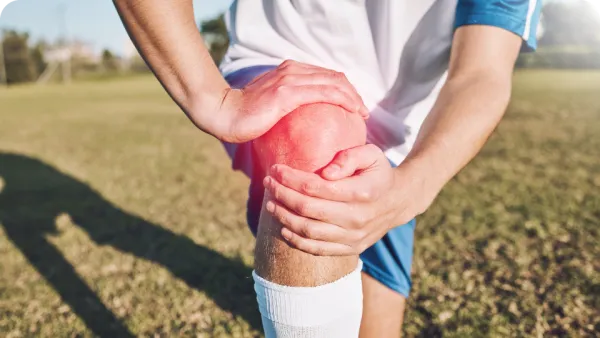
Knee pain is common at all ages, because the knee supports the body's weight and is used for movement in most activities, including walking, running, sitting cross-legged and playing all kinds of sports. Today we will introduce you to the conditions that cause pain on the inner side of the knee.
Pes anserine bursitis
What is pes anserine bursitis?
It is inflammation of the bursa (a fluid-filled sac) located between the shin bone (tibia) and the tendons of 3 leg muscles, known as the pes anserinus. The bursa helps absorb shock and reduce friction during movement. When the bursa rubs too much against the surrounding structures, it becomes inflamed. This is called bursitis.
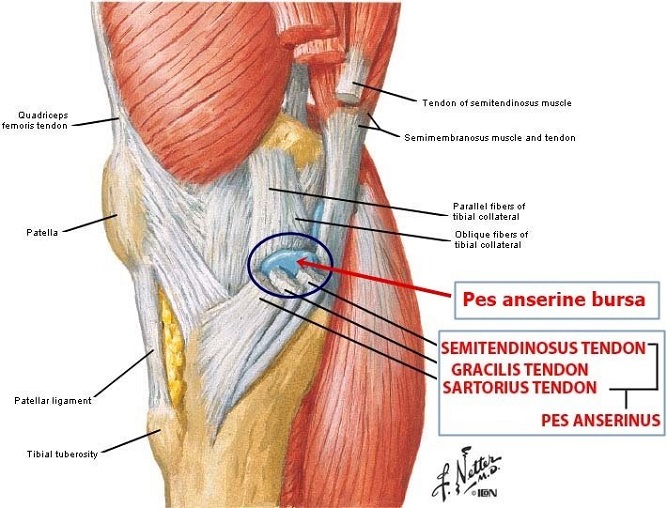
Now that we know about the bursa, the main cause of the problem, let's look at the other structures that contribute to the inflammation.
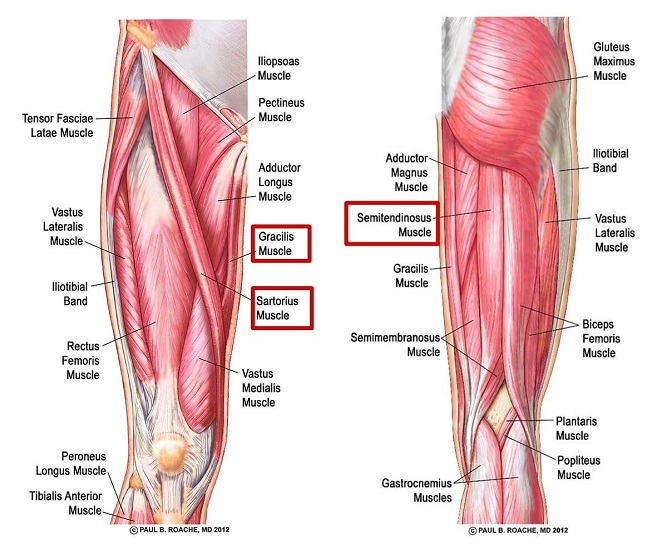
Pes anserine is the name of the attachment point of 3 thigh muscles: the Sartorius, Gracilis and Semitendinosus. The main function of these muscles is to bend the knee and rotate the leg inwards (knee flexion and tibial internal rotation).
Causes of pes anserine bursitis
1. Heavy and continuous use of the knee over long periods, especially of the muscles involved in bending the knee, which increases friction on the pes anserine bursa and can lead to inflammation
2. An injury to the knee joint or a direct blow to the inner side of the knee
3. Not stretching properly before running or exercising
4. People with knee osteoarthritis or knock knees are at high risk of this condition.
Symptoms of pes anserine bursitis
- Pain on the inner side of the knee during use, which gets worse when going up or down stairs
- A tender spot at the pes anserine muscle attachment with the bursa underneath, which can be felt on the inner side of the upper tibia, slightly below the knee joint line
- In recent cases, there may also be swelling, redness and warmth on the inner side of the knee.
- In some cases, there may be reduced muscle strength, reduced range of movement or a change from the normal walking pattern.
Basic self-care
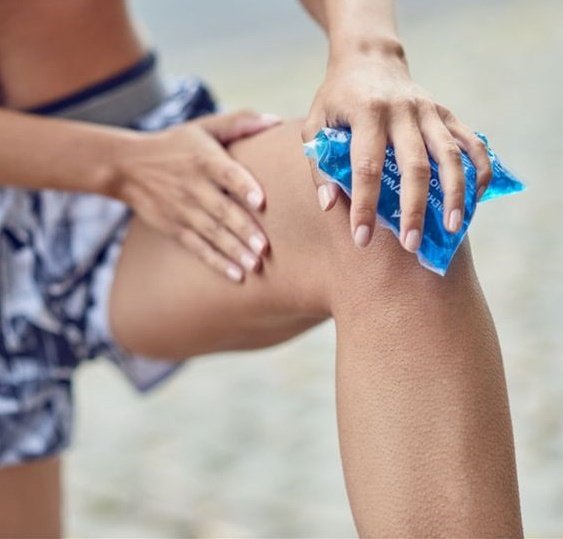
- In the early stage, if there is still swelling, redness and warmth on the inner side of the knee, rest the affected knee, avoid activities that trigger the symptoms such as climbing stairs and running, and apply a cold compress to the painful area for about 15–20 minutes to help relieve pain and swelling.
Thigh muscle exercises for people with inner knee pain
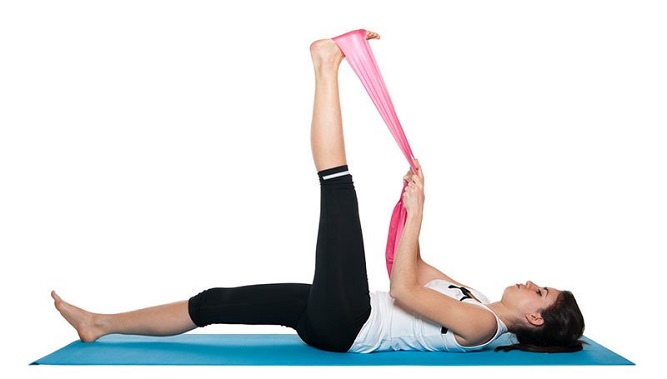
1. Back of thigh stretch
How to stretch : Lie on your back and loop a resistance band or towel under your heel. Lift your leg until you feel a stretch in the back of the leg, keeping the knee straight. Hold for 15 seconds and repeat 3–5 times.
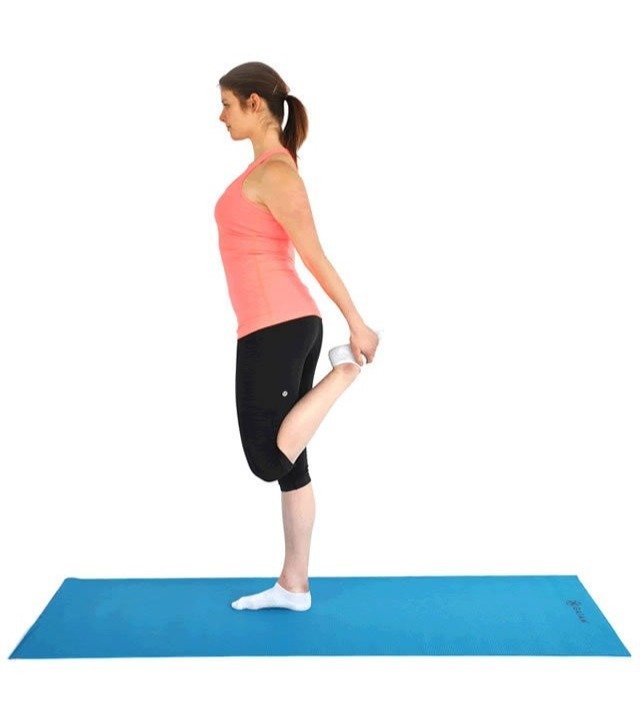
2. Front of thigh stretch
How to stretch : Stand up straight and bend the knee you want to stretch, using your hand to help extend the hip backwards until you feel a stretch, as shown in the picture. Hold for 15 seconds and repeat 3–5 times.
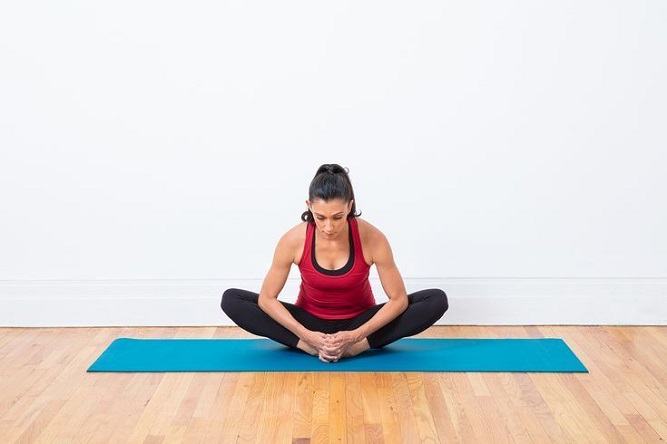
3. Inner thigh stretch
How to stretch : Sit with the soles of your feet touching each other and draw your feet in towards your body until you feel a stretch in your inner thighs. Place your elbows on your thighs and press down while leaning forward slightly, keeping your back straight. Hold for 15 seconds and repeat 3–5 times.
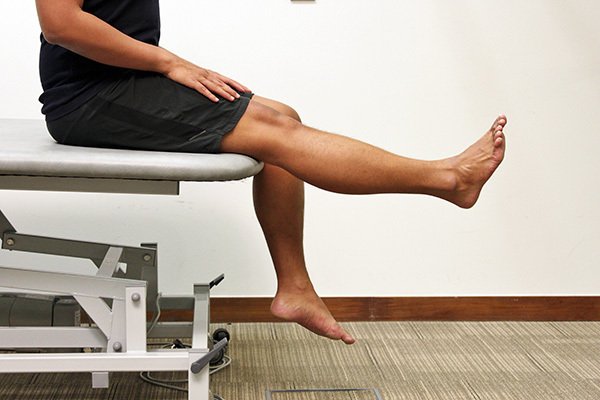
4. Front thigh strengthening exercise
How to do it : Sit on a chair and slowly kick your leg up until the knee is straight. Tighten the front of the thigh and hold for 10 seconds. Do 10 repetitions, 3 sets.
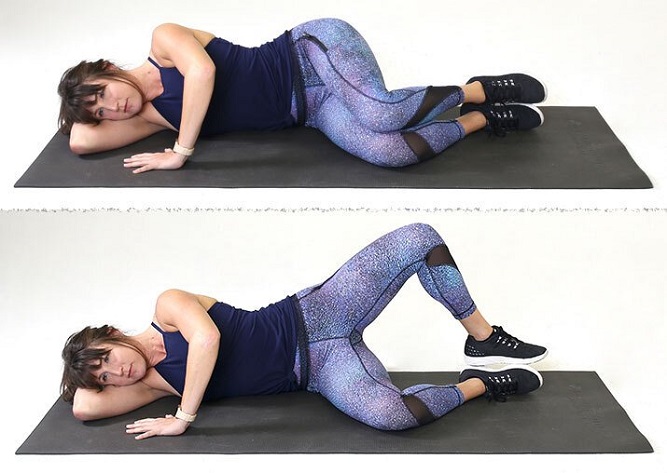
5. Hip muscle exercise
How to do it : Lie on your side with both knees bent. Open your legs by lifting the top knee to about 90 degrees. Do 10 repetitions, 3 sets.
You can contact Rehab Care Clinic for advice on your health problems from our rehabilitation physicians and specialist physical therapists.
For more information, contact "Rehab Care Clinic"
Address: 423 Phetkasem Road, Bang Wa, Phasi Charoen, Bangkok (inside Kanari Sports Center, before Seacon Bang Khae) ? 061-801-2482 Line ID : @rehabcare

Information provided by
Dr. Apiporn Garnjanagoonchorn (Dr. Ann)
Rehabilitation physician